
Comparison
Elderberry vs Licorice
TL;DR
Quick comparison: Elderberry and Licorice have 0 overlapping categories and appear together in 2 products.
- Choose Elderberry if: Elderberry (Sambucus nigra) is a traditional immune-supporting berry rich in ant...
- Choose Licorice if: Licorice root (Glycyrrhiza glabra) contains glycyrrhizin and glabridin as primar...
- Take both if: You want comprehensive coverage across 0 shared categories.
565 products
analyzed in our comprehensive supplement database
Source · MoodStack Database (2026)
Side-by-side comparison
| Feature | Elderberry | Licorice |
|---|---|---|
| Type | herb | herb |
| Common Dosage | 500-1000 mg extract daily (prevention); 1500-3000 mg at illness onset | DGL: 380-760 mg before meals; Standard: 200-600 mg (limit to 6 weeks due to glycyrrhizin) |
| Best Bioavailability | N/A | Deglycyrrhizinated Licorice (DGL) (46%) |
| Categories | 1 | 0 |
| Available Products | 0 | 0 |
Elderberry
Licorice
Can you take both?
Yes, Elderberry and Licorice can typically be taken together. In fact, we found 2 products in our database that contain both supplements, suggesting they complement each other well.
Key differences
Option A
Elderberry
Elderberry (Sambucus nigra) is a traditional immune-supporting berry rich in anthocyanins and flavonoids. Clinical trials demonstrate significant reduction in cold and flu duration and severity. Active compounds inhibit viral hemagglutinin and boost cytokine production.
Categories
Option B
Licorice
Licorice root (Glycyrrhiza glabra) contains glycyrrhizin and glabridin as primary actives. Glycyrrhizin inhibits 11-beta-hydroxysteroid dehydrogenase, extending cortisol half-life. DGL (deglycyrrhizinated licorice) removes glycyrrhizin for safer GI use. Potent anti-inflammatory, antiviral, and adrenal support herb.
Common forms
- Deglycyrrhizinated Licorice (DGL) · 46% bioavailability
- Licorice root extract · 40% bioavailability
- Glycyrrhizin · 20% bioavailability
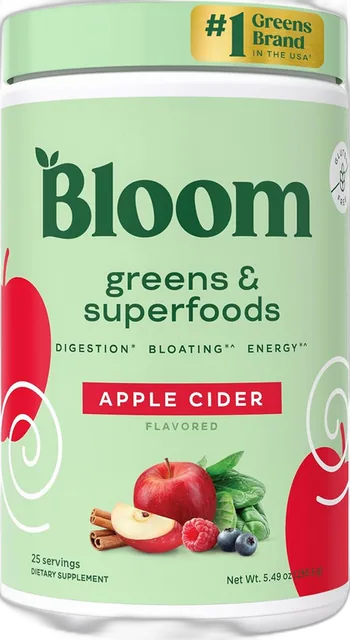
Products with both Elderberry and Licorice
We found 2 products that combine both supplements:
Frequently asked
What is the difference between Elderberry and Licorice?
Can I take Elderberry and Licorice together?
Which is more popular: Elderberry or Licorice?
Related comparisons & products
Medical disclaimer: This content is for informational purposes only and does not constitute medical advice. Always consult a qualified healthcare provider before starting any supplement regimen.