
Comparison
Hyaluronate Acid vs Glucosamine Sulfate
TL;DR
Quick comparison: Hyaluronate Acid and Glucosamine Sulfate have 1 overlapping categories and appear together in 2 products.
- Choose Hyaluronate Acid if: Hyaluronic acid (HA) is a glycosaminoglycan naturally present in skin, joints, a...
- Choose Glucosamine Sulfate if: Glucosamine sulfate is an amino sugar naturally produced in the body as a buildi...
- Take both if: You want comprehensive coverage across 1 shared categories.
565 products
analyzed in our comprehensive supplement database
Source · MoodStack Database (2026)
Side-by-side comparison
| Feature | Hyaluronate Acid | Glucosamine Sulfate |
|---|---|---|
| Type | other | other |
| Common Dosage | 100-240 mg daily | 1500 mg daily (as sulfate form) |
| Best Bioavailability | Sodium Hyaluronate (15%) | Glucosamine Hydrochloride (0%) |
| Categories | 2 | 1 |
| Available Products | 0 | 0 |
Hyaluronate Acid
Glucosamine Sulfate
Can you take both?
Yes, Hyaluronate Acid and Glucosamine Sulfate can typically be taken together. In fact, we found 2 products in our database that contain both supplements, suggesting they complement each other well.
Both supplements share 1 common category, indicating they may work synergistically for similar health goals.
Key differences
Option A
Hyaluronate Acid
Hyaluronic acid (HA) is a glycosaminoglycan naturally present in skin, joints, and eyes. It can hold 1,000x its weight in water, making it essential for tissue hydration. Oral supplementation (high molecular weight) reaches skin and joints; clinical evidence supports benefits for skin hydration, wrinkle reduction, and joint comfort.
Categories
Common forms
- Sodium Hyaluronate · 15% bioavailability
Option B
Glucosamine Sulfate
Glucosamine sulfate is an amino sugar naturally produced in the body as a building block for cartilage, tendons, and ligaments. It stimulates chondrocyte production of glycosaminoglycans and proteoglycans. The sulfate form has the strongest clinical evidence, with studies showing it slows structural joint degradation.
Categories
Common forms
- Glucosamine Hydrochloride
Shared categories
Both Hyaluronate Acid and Glucosamine Sulfate are used for these health goals:
Products with both Hyaluronate Acid and Glucosamine Sulfate
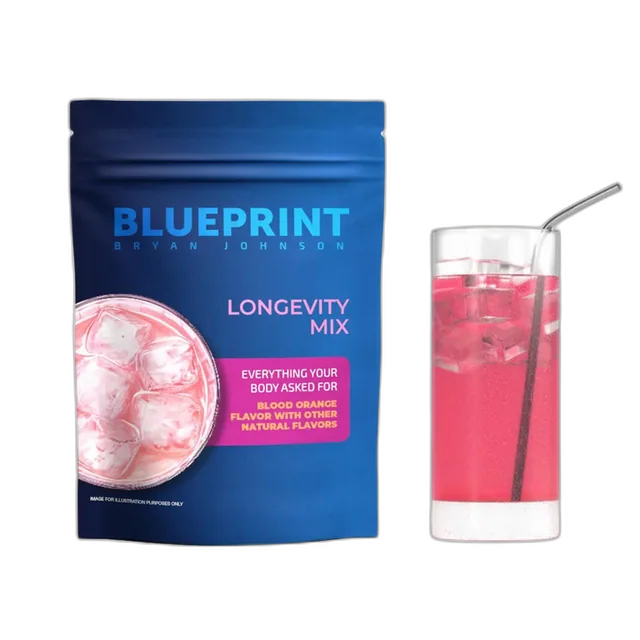
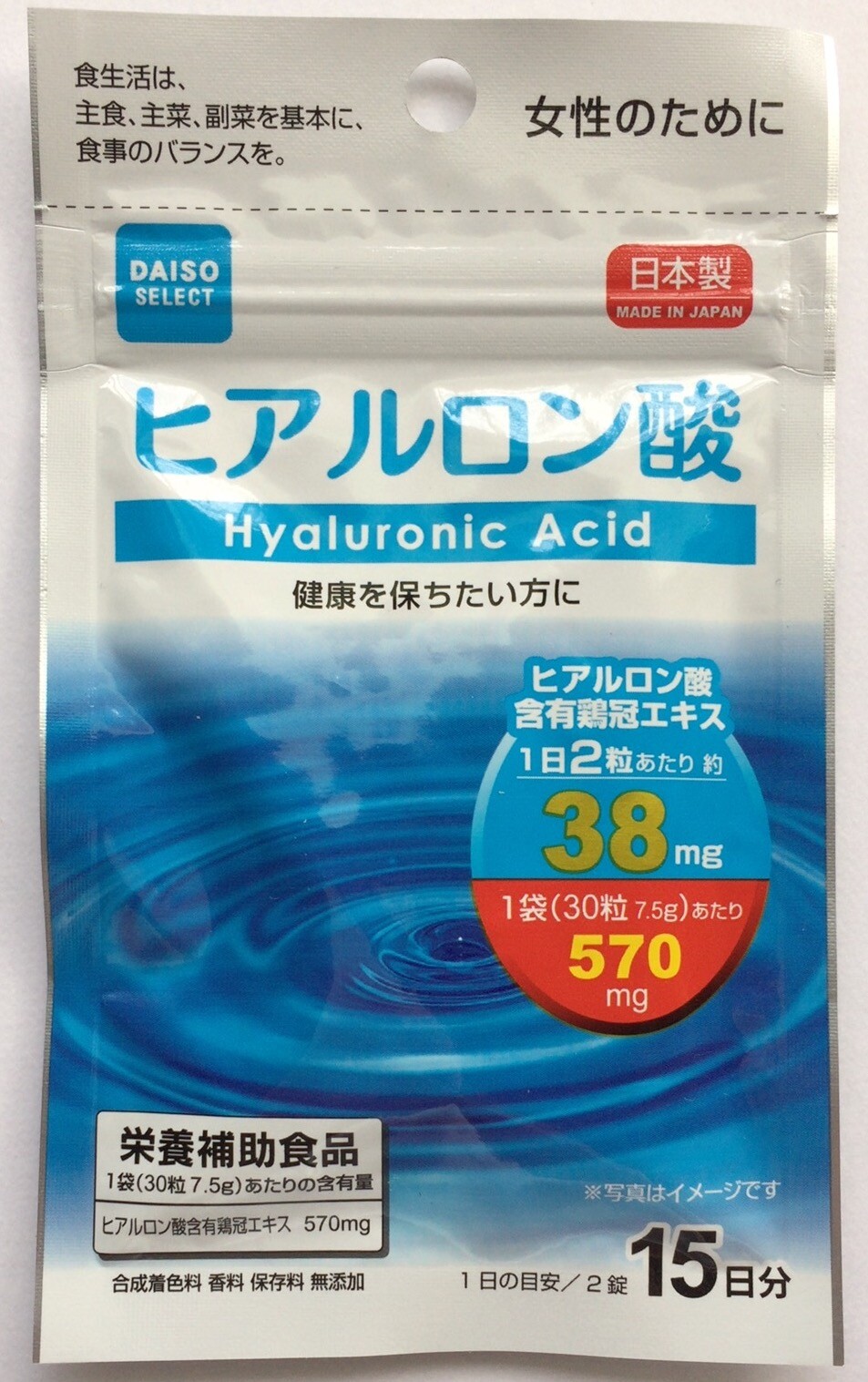
We found 2 products that combine both supplements:
Frequently asked
What is the difference between Hyaluronate Acid and Glucosamine Sulfate?
Can I take Hyaluronate Acid and Glucosamine Sulfate together?
Which is more popular: Hyaluronate Acid or Glucosamine Sulfate?
Related comparisons & products
Medical disclaimer: This content is for informational purposes only and does not constitute medical advice. Always consult a qualified healthcare provider before starting any supplement regimen.