
amino_acid
Betaine
TL;DR
Betaine (trimethylglycine/TMG) is a methyl donor derived from choline oxidation. It plays a critical role in homocysteine metabolism by donating a methyl group to convert homocysteine back to methionine.
Overview
Betaine (trimethylglycine/TMG) is a methyl donor derived from choline oxidation. It plays a critical role in homocysteine metabolism by donating a methyl group to convert homocysteine back to methionine. It also functions as an osmolyte, protecting cells from dehydration stress.
20 / 565
products in our database contain Betaine
Source · MoodStack database
Compound forms
Betaine comes in several molecular forms. Each absorbs and acts differently.
Betaine Anhydrous
Trimethylglycine
Bioavailability
60%
Typical dose
—
Benefits
- Homocysteine reduction
- Exercise performance
- Liver health
- Methylation support
Dose guide
Common dose
1.5-6 g daily
Typical range
1500–6000 mg
Based on 20 products in our database.
Products with Betaine
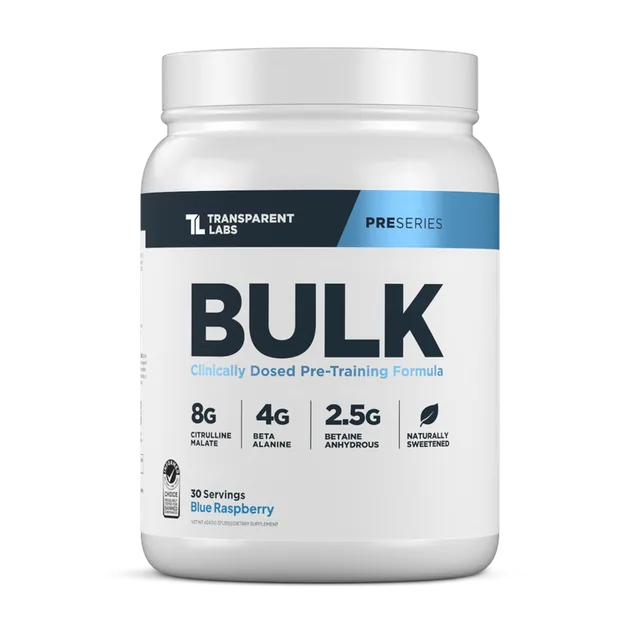
Transparent Labs BULK Pre-Workout
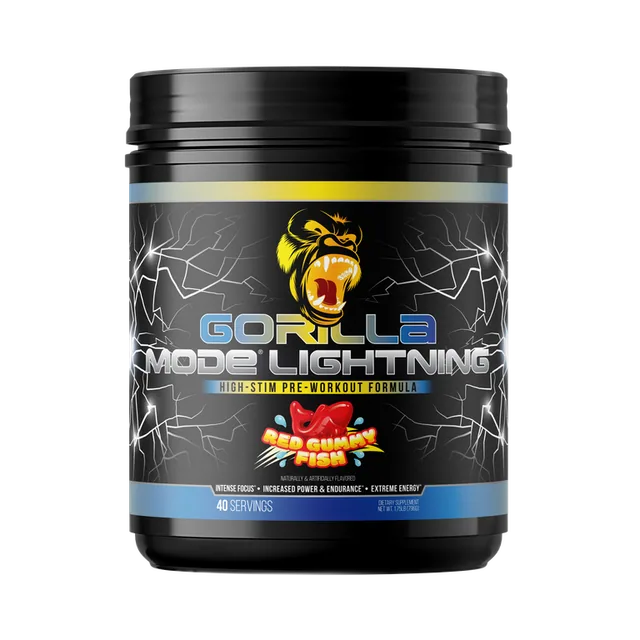
Gorilla Mode Lightning
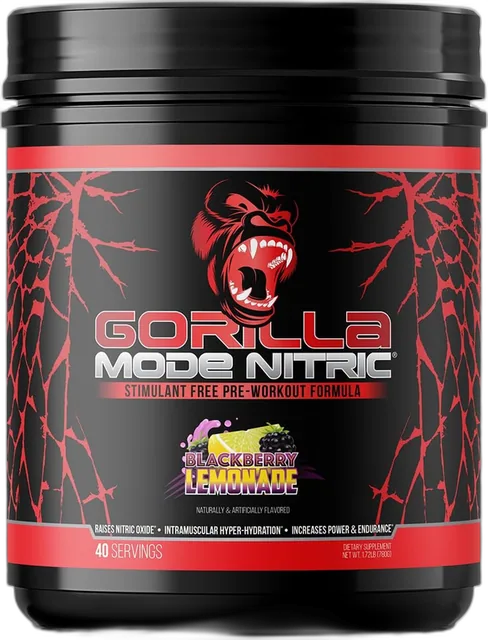
Gorilla Mode Nitric
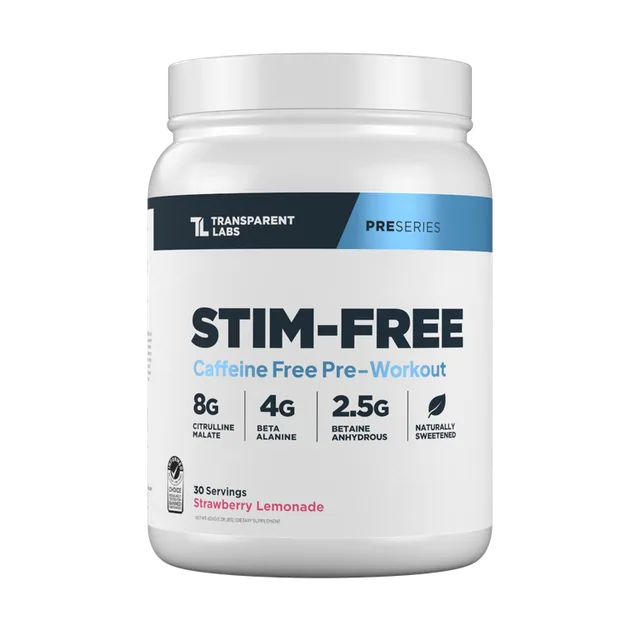
Transparent Labs Stim-Free Pre-Workout
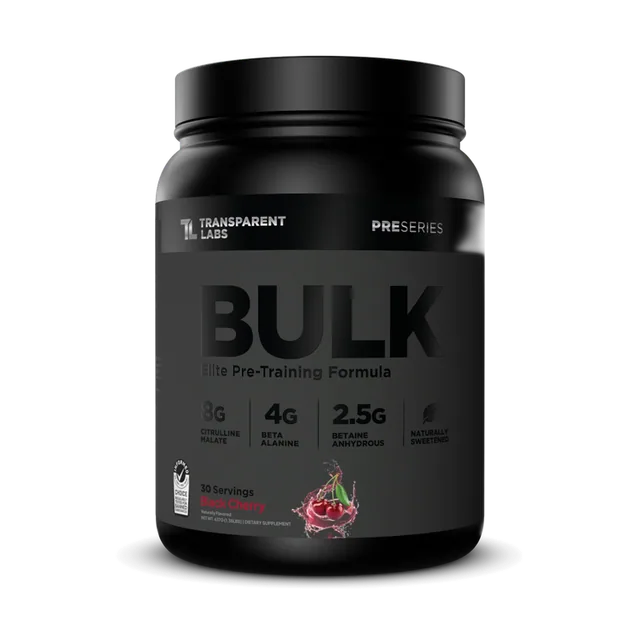
Transparent Labs BULK Black Pre-Workout
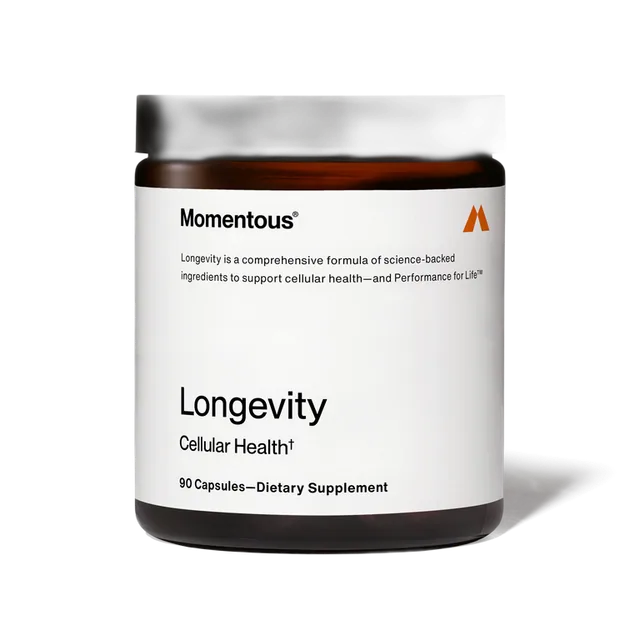
Longevity
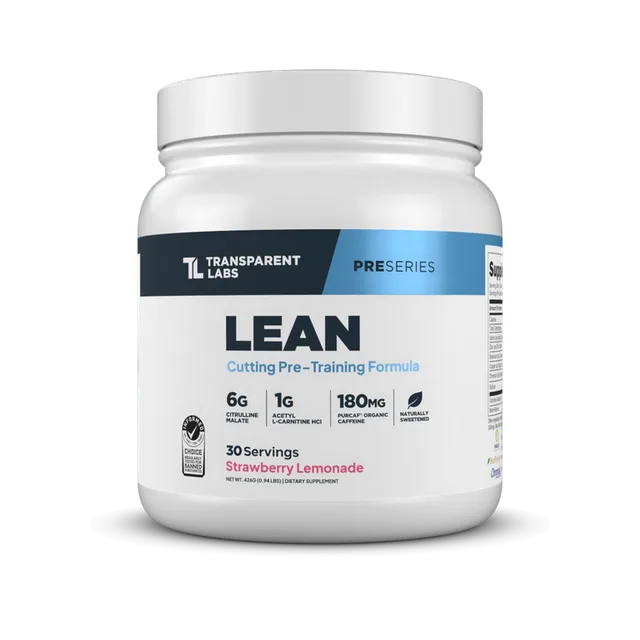
Transparent Labs LEAN Pre-Workout

Gorilla Mode Base Pre-Workout

Gorilla Mode Pre-Workout
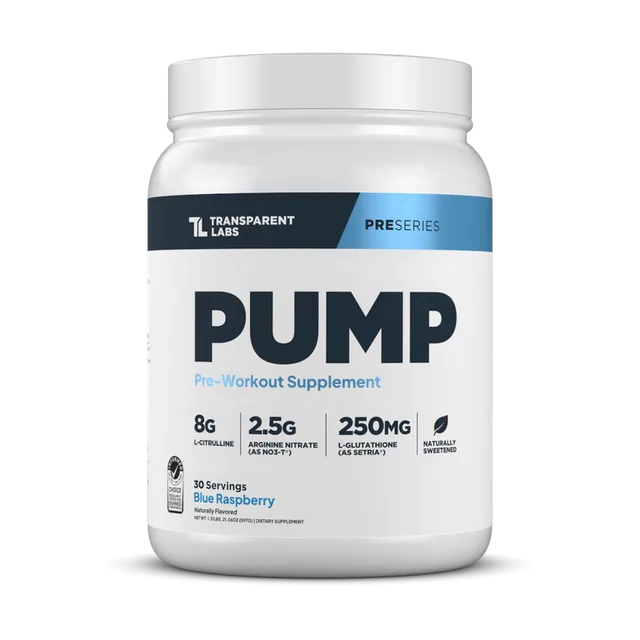
Transparent Labs PUMP Pre-Workout
Interactions
synergistic. Betaine (TMG) donates methyl groups for creatine synthesis in the liver; both support power output and body composition through independent mechanisms
synergistic. Betaine provides an alternative pathway for homocysteine remethylation via BHMT enzyme, complementing the folate-dependent methionine synthase pathway
synergistic. Both support methionine cycle — B12 as cofactor for methionine synthase, betaine as alternative methyl donor via BHMT; redundant homocysteine clearance pathways
Related comparisons
Related categories
Top products
Medical disclaimer: This content is for informational purposes only and does not constitute medical advice. Always consult a qualified healthcare provider before starting any supplement regimen.