
herb
Echinacea
TL;DR
Echinacea (primarily E. purpurea and E.
Overview
Echinacea (primarily E. purpurea and E. angustifolia) is a widely used medicinal herb for immune support. Active compounds include alkamides, cichoric acid, and polysaccharides that activate macrophages, NK cells, and modulate cytokine production. Meta-analyses support reduced cold duration and incidence.
2 / 565
products in our database contain Echinacea
Source · MoodStack database
Compound forms
Echinacea comes in several molecular forms. Each absorbs and acts differently.
Echinacea
Echinacea purpurea
Bioavailability
30%
Typical dose
300–1500 mg
Benefits
- Cold prevention
- Immune activation
- Anti-inflammatory
- Upper respiratory support
Dose guide
Common dose
300-1000 mg standardized extract, 2-3x daily at cold onset
Typical range
300–3000 mg
Based on 2 products in our database.
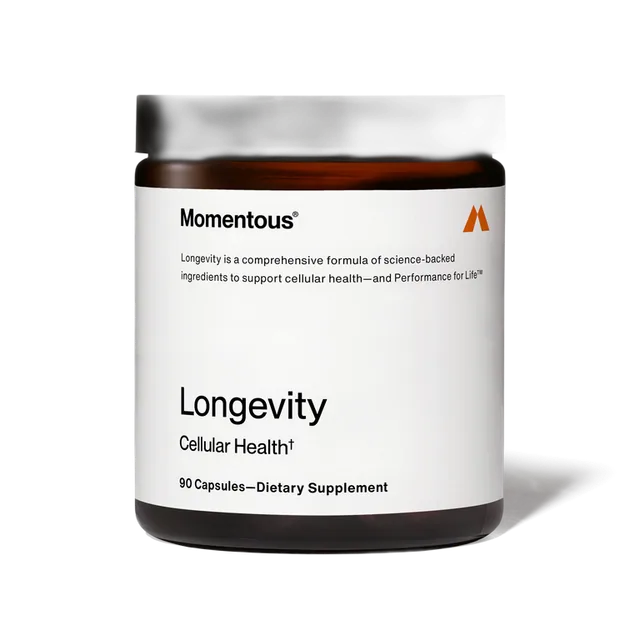
Products with Echinacea
Interactions
synergistic. Echinacea stimulates innate immune cell activity (macrophages, NK cells) while vitamin C supports immune cell function and acts as an antioxidant during infection
synergistic. Zinc supports adaptive immune function (T-cell maturation) while echinacea primarily stimulates innate immunity; complementary immune support pathways
competes. Echinacea stimulates immune function, which directly opposes the therapeutic goal of immunosuppressant medications (cyclosporine, tacrolimus, corticosteroids)
inhibits. Echinacea may inhibit CYP3A4 and CYP1A2 enzymes, potentially altering metabolism of medications processed by these pathways
Related categories
Top products
Medical disclaimer: This content is for informational purposes only and does not constitute medical advice. Always consult a qualified healthcare provider before starting any supplement regimen.