herb
Milk Thistle
TL;DR
Milk thistle (Silybum marianum) contains silymarin, a complex of flavonolignans (silybin, silychristin, silydianin) with the most robust evidence of any herb for liver protection. Silybin is the most active component, protecting hepatocytes from toxins, stimulating liver regeneration, and acting as a potent antioxidant.
Overview
Milk thistle (Silybum marianum) contains silymarin, a complex of flavonolignans (silybin, silychristin, silydianin) with the most robust evidence of any herb for liver protection. Silybin is the most active component, protecting hepatocytes from toxins, stimulating liver regeneration, and acting as a potent antioxidant.
2 / 565
products in our database contain Milk Thistle
Source · MoodStack database
Compound forms
Milk Thistle comes in several molecular forms. Each absorbs and acts differently.
Milk Thistle
Silybum marianum (silymarin)
Bioavailability
30%
Typical dose
140–800 mg
Benefits
- Liver protection
- Liver regeneration
- Detoxification support
- Anti-fibrotic
- Blood sugar regulation
- Anti-cancer
Dose guide
Common dose
200-600 mg silymarin daily (standardized to 70-80% silymarin)
Typical range
200–600 mg
Based on 2 products in our database.
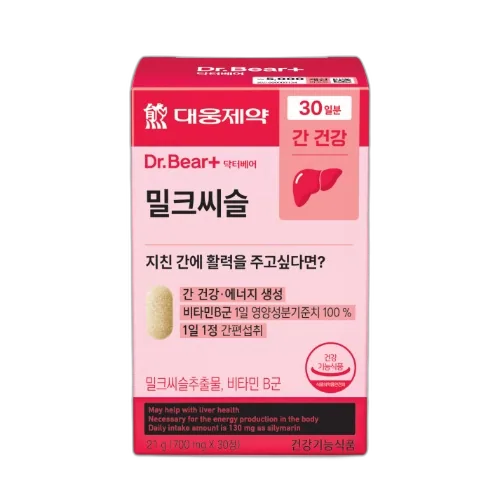
Products with Milk Thistle
Interactions
competes. Silymarin inhibits CYP3A4 and CYP2C9 enzymes in vitro, potentially increasing blood levels of drugs metabolized by these pathways
synergistic. Both milk thistle (silymarin) and NAC support glutathione production and liver detoxification through complementary pathways
synergistic. Silymarin has independent blood sugar-lowering effects and may improve insulin sensitivity; complementary to metformin in type 2 diabetes
Related categories
Top products
Medical disclaimer: This content is for informational purposes only and does not constitute medical advice. Always consult a qualified healthcare provider before starting any supplement regimen.