
amino_acid
N-Acetyl Cysteine (NAC)
TL;DR
N-Acetyl Cysteine (NAC) is the acetylated form of L-cysteine with superior bioavailability. It is the most effective oral precursor to glutathione and has been used clinically for 50+ years.
Overview
N-Acetyl Cysteine (NAC) is the acetylated form of L-cysteine with superior bioavailability. It is the most effective oral precursor to glutathione and has been used clinically for 50+ years. FDA-approved as acetaminophen antidote; extensively researched for respiratory, mental health, liver, and immune applications.
1 / 565
products in our database contain N-Acetyl Cysteine (NAC)
Source · MoodStack database
Compound forms
N-Acetyl Cysteine (NAC) comes in several molecular forms. Each absorbs and acts differently.
N-Acetyl Cysteine (NAC)
N-Acetyl-L-cysteine
Bioavailability
80%
Typical dose
600–1800 mg
Benefits
- Glutathione replenishment
- Respiratory health
- Mental health
- Liver protection
- Fertility
- Biofilm disruption
Dose guide
Common dose
600-1800 mg daily (divided doses)
Typical range
600–1800 mg
Based on 1 products in our database.
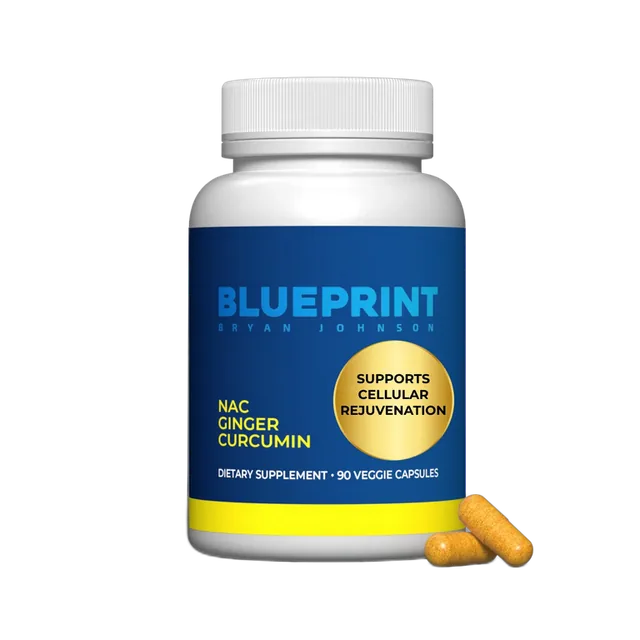
Products with N-Acetyl Cysteine (NAC)
Interactions
enhances. NAC potentiates nitrate vasodilation; combined may cause severe hypotension
inhibits. Charcoal adsorbs NAC, reducing its absorption and effectiveness
synergistic. Both support glutathione system; vitamin C recycles glutathione, NAC provides precursor cysteine
synergistic. NAC and zinc both support immune function and are synergistic for mucolytic and antioxidant effects
synergistic. Selenium is required cofactor for glutathione peroxidase; NAC provides the glutathione substrate
Related categories
Top products
Medical disclaimer: This content is for informational purposes only and does not constitute medical advice. Always consult a qualified healthcare provider before starting any supplement regimen.