vitamin
Niacin
TL;DR
Niacin (vitamin B3) exists as nicotinic acid, niacinamide, and nicotinamide riboside (NR). Nicotinic acid uniquely causes vasodilatory "flush" and is the most effective natural agent for raising HDL cholesterol.
Overview
Niacin (vitamin B3) exists as nicotinic acid, niacinamide, and nicotinamide riboside (NR). Nicotinic acid uniquely causes vasodilatory "flush" and is the most effective natural agent for raising HDL cholesterol. All forms serve as precursors to NAD+/NADH, essential cofactors for 400+ enzymatic reactions.
12 / 565
products in our database contain Niacin
Source · MoodStack database
Compound forms
Niacin comes in several molecular forms. Each absorbs and acts differently.
Niacinamide
Bioavailability
90%
Typical dose
500–3000 mg
Benefits
- HDL elevation
- NAD+ precursor
- Cardiovascular protection
- Pellagra prevention
- Skin health
Dose guide
Common dose
14-20 mg (RDA); therapeutic: 500-3000 mg nicotinic acid (under medical supervision)
Typical range
14–500 mg
Based on 12 products in our database.
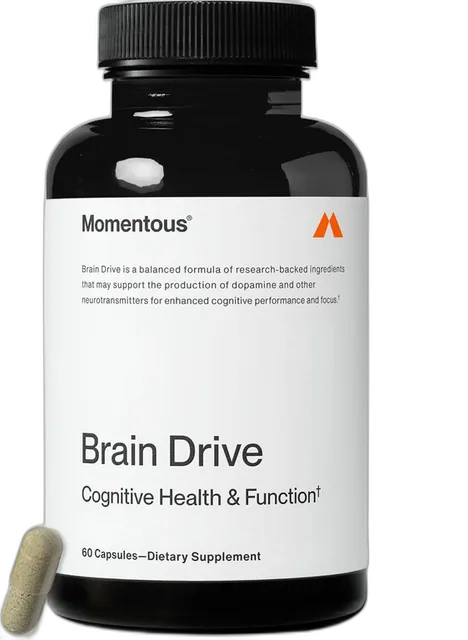
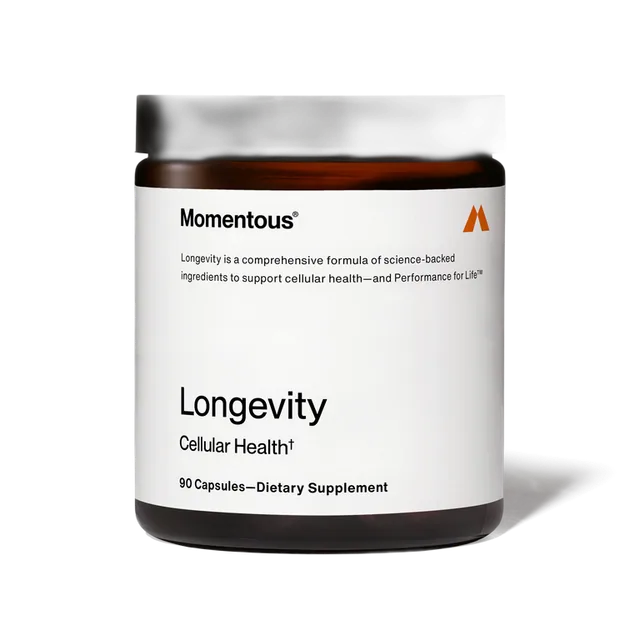
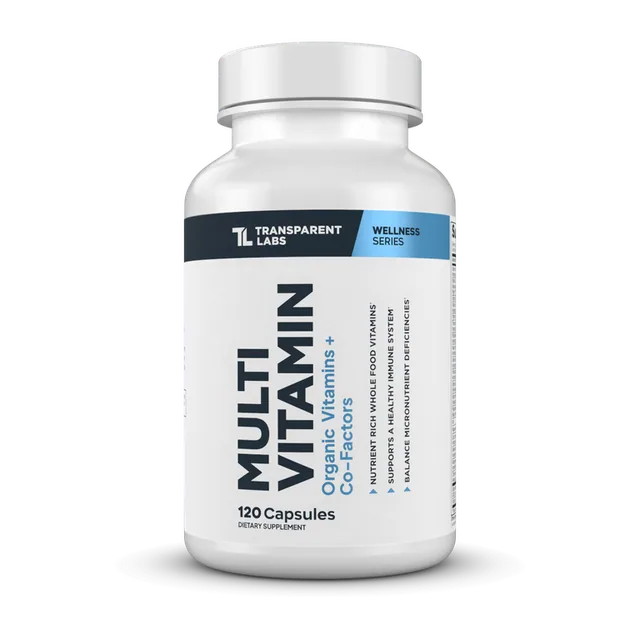
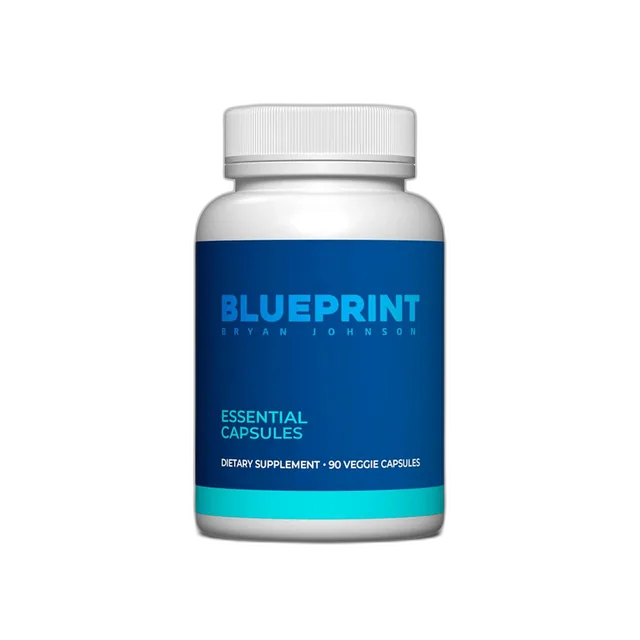
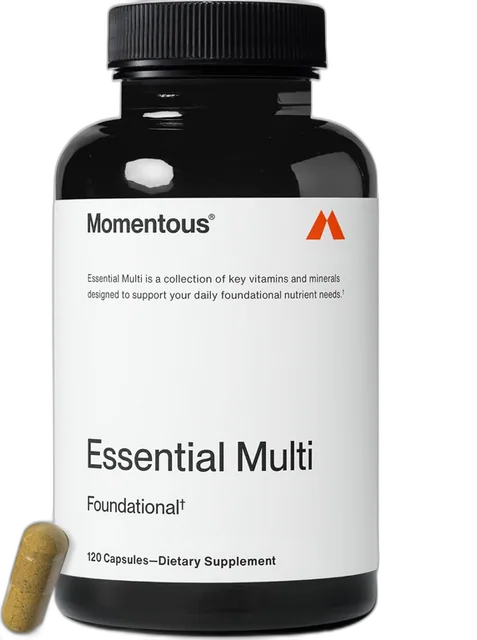
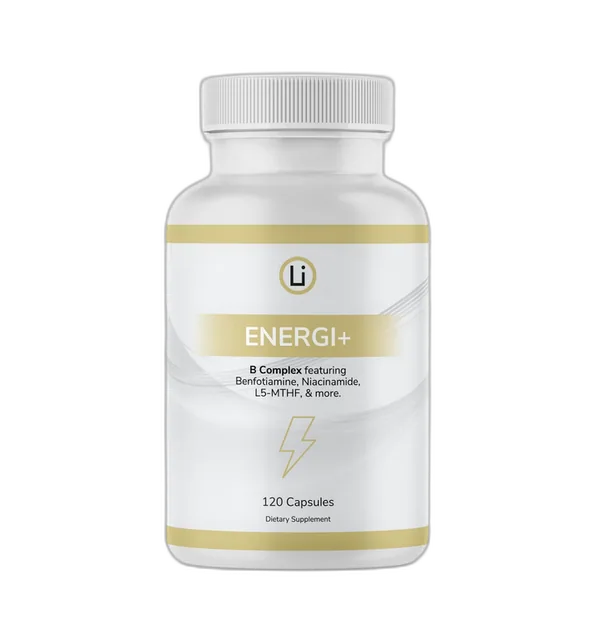
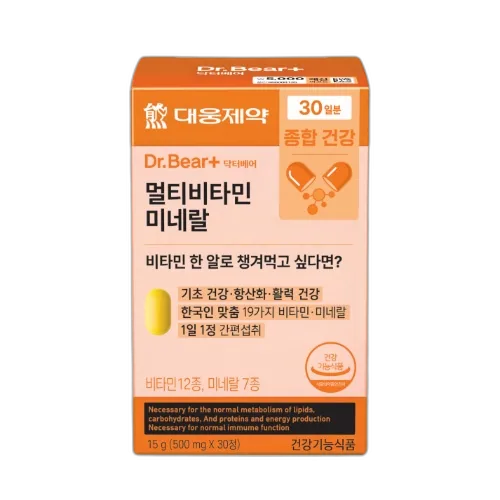
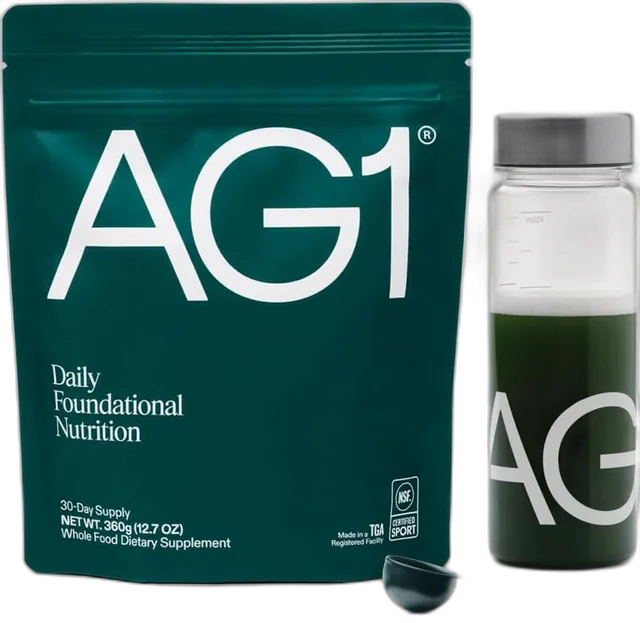
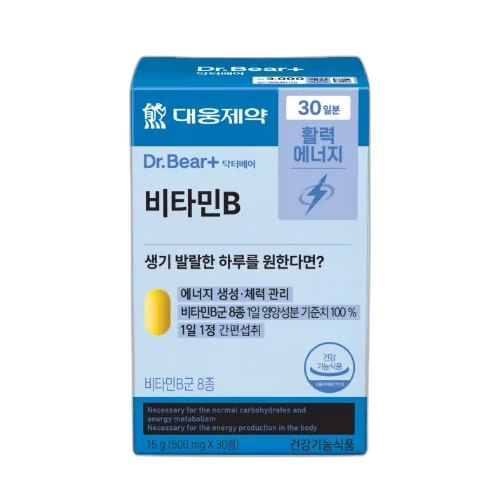
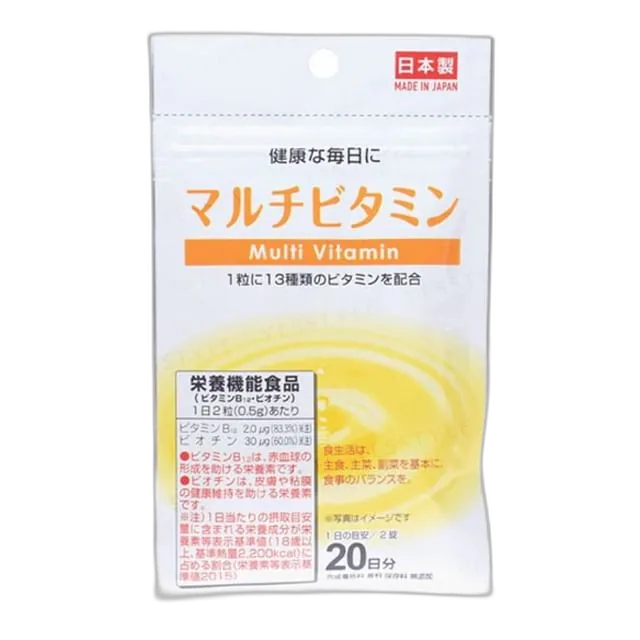
Products with Niacin
Interactions
enhances. Niacin raises HDL and lowers LDL/triglycerides via different pathway than statins; AIM-HIGH trial raised concerns about combination for additional cardiovascular risk reduction
synergistic. Aspirin (325mg) taken 30 min before niacin significantly reduces prostaglandin-mediated flushing by inhibiting COX enzymes
competes. Both niacin and alcohol are hepatotoxic at high doses; combination increases liver damage risk and worsens niacin-induced flushing
enhances. Niacin has mild vasodilatory and hypotensive effects; may enhance blood pressure-lowering medications, especially during flushing episodes
Related comparisons
Top products
Medical disclaimer: This content is for informational purposes only and does not constitute medical advice. Always consult a qualified healthcare provider before starting any supplement regimen.