
amino_acid
Phenylalanine
TL;DR
L-Phenylalanine supports mood by aiding dopamine and norepinephrine production, enhancing focus and reducing depression. It may help manage chronic pain.
Overview
L-Phenylalanine supports mood by aiding dopamine and norepinephrine production, enhancing focus and reducing depression. It may help manage chronic pain. Found in protein-rich foods like eggs, soy, and supplements.
5 / 565
products in our database contain Phenylalanine
Source · MoodStack database
Compound forms
Phenylalanine comes in several molecular forms. Each absorbs and acts differently.
DL-Phenylalanine
2-amino-3-phenylpropanoic acid (racemic)
Bioavailability
50%
Typical dose
500–1500 mg
L-Phenylalanine
2-amino-3-phenylpropanoic acid
Bioavailability
90%
Typical dose
500–2000 mg
N-Acetyl-L-Phenylalanine
N-acetyl-2-amino-3-phenylpropanoic acid
Bioavailability
70%
Typical dose
500–1500 mg
Phenylalanine ethyl ester
2-amino-3-phenylpropanoic acid ethyl ester
Bioavailability
60%
Typical dose
500–2000 mg
Benefits
Supports mood regulation, cognitive function, and pain management.
Dose guide
Common dose
500 mg
Typical range
500–2000 mg
Based on 5 products in our database.
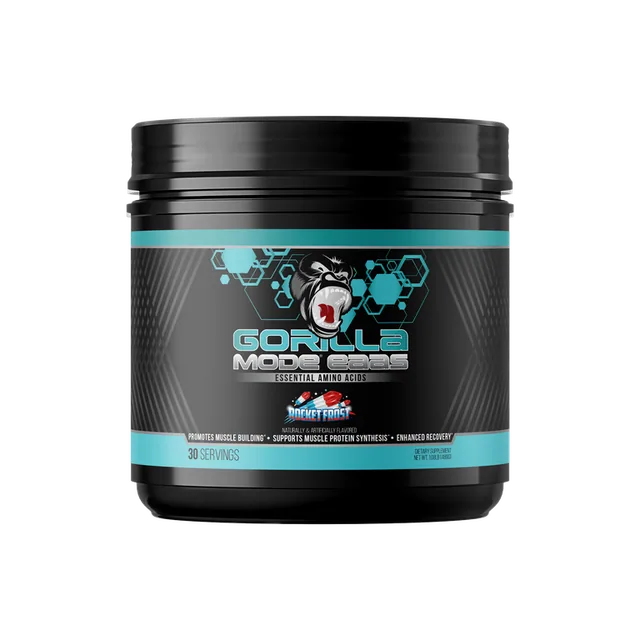
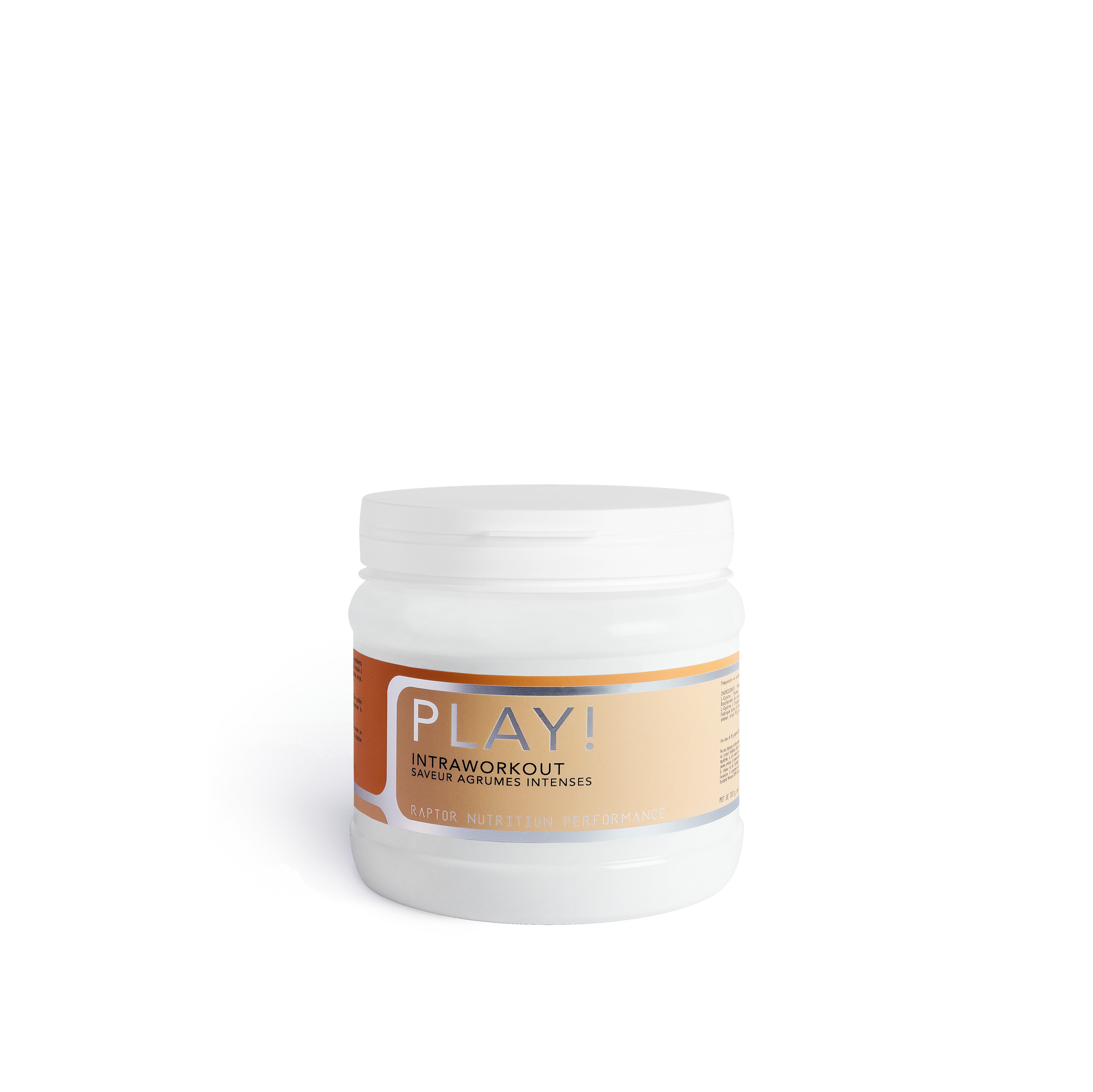
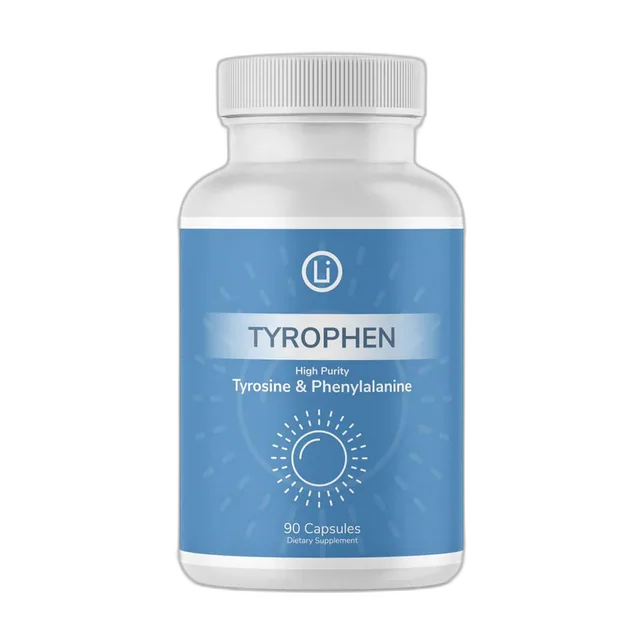
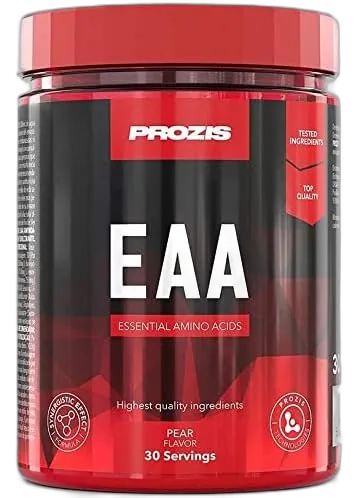
Products with Phenylalanine
Interactions
competes. Phenylalanine competes with levodopa for transport across the blood-brain barrier via LAT1, potentially reducing levodopa brain uptake and efficacy
enhances. Phenylalanine is a precursor to tyramine-like compounds; combined with MAOIs may cause hypertensive crisis
synergistic. B6 is a cofactor for phenylalanine hydroxylase (converting phenylalanine to tyrosine) and subsequent catecholamine synthesis
Related comparisons
Top products
Medical disclaimer: This content is for informational purposes only and does not constitute medical advice. Always consult a qualified healthcare provider before starting any supplement regimen.