
vitamin
Vitamin K
TL;DR
Fat-soluble vitamin essential for blood clotting and bone metabolism. K1 from plants and K2 from bacteria and fermented foods.
Overview
Fat-soluble vitamin essential for blood clotting and bone metabolism. K1 from plants and K2 from bacteria and fermented foods.
20 / 565
products in our database contain Vitamin K
Source · MoodStack database
Compound forms
Vitamin K comes in several molecular forms. Each absorbs and acts differently.
K1
Phylloquinone
Bioavailability
70%
Typical dose
90–450 mcg
MK-4
Menaquinone-4
Bioavailability
75%
Typical dose
45–90 mcg
MK-7
Menaquinone-7
Bioavailability
90%
Typical dose
90–300 mcg
MK-9
Menaquinone-9
Bioavailability
85%
Typical dose
90–300 mcg
Benefits
- Essential for blood clotting
- Supports bone health and density
- May prevent arterial calcification
- Works synergistically with vitamin D
- May support cardiovascular health
Dose guide
Common dose
90-120 mcg daily
Typical range
90–1000 mcg
Based on 20 products in our database.
Products with Vitamin K
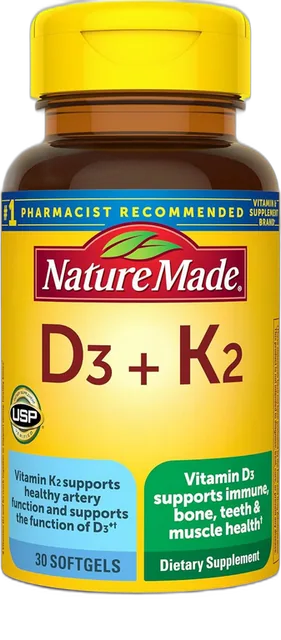
Vitamin D3 + K2 Softgels
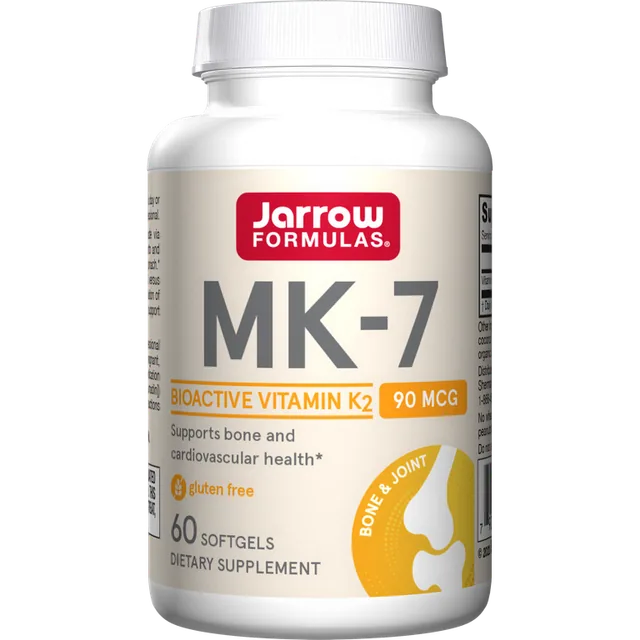
MK-7 90 mcg
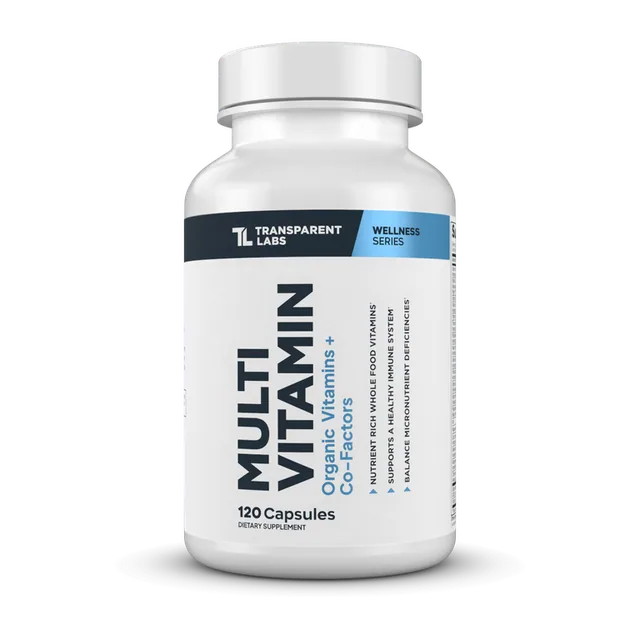
Transparent Labs Multivitamin
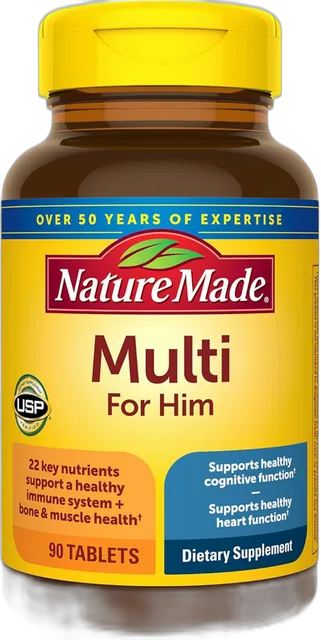
Multi for Him Tablets
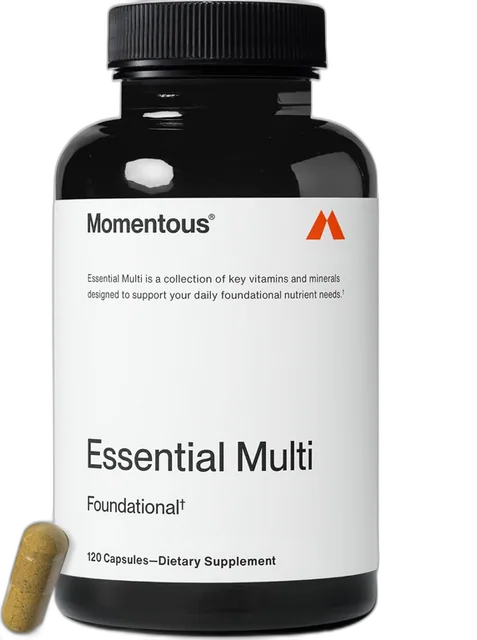
Essential Multivitamin
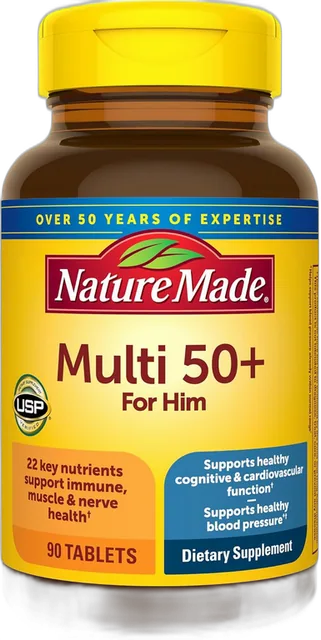
Multi for Him 50+ Tablets
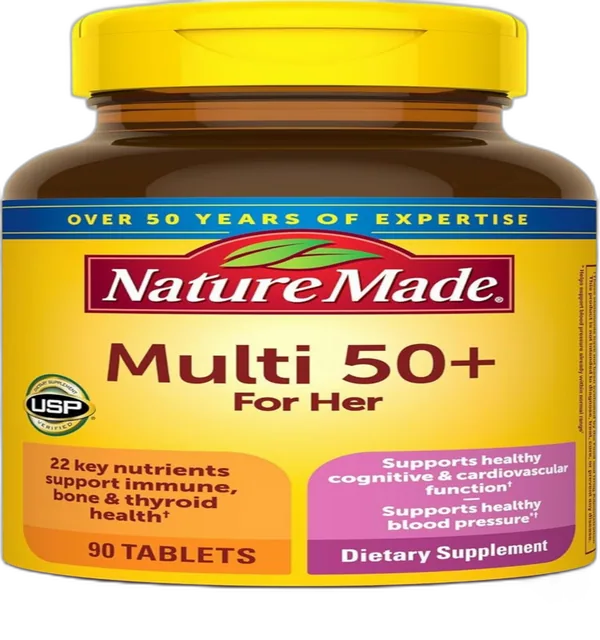
Multi for Her 50+ Tablets
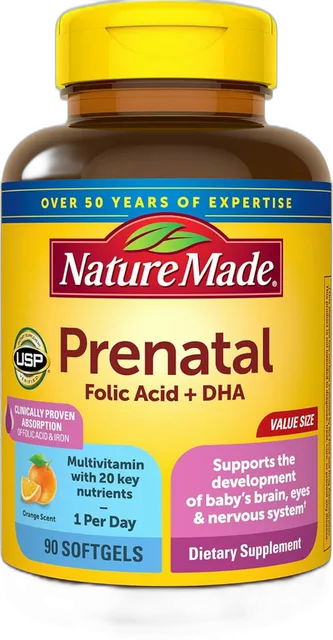
Prenatal Multi + DHA Softgels
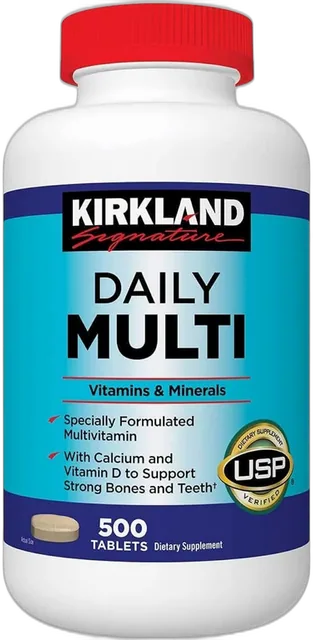
Daily Multi Vitamins & Minerals
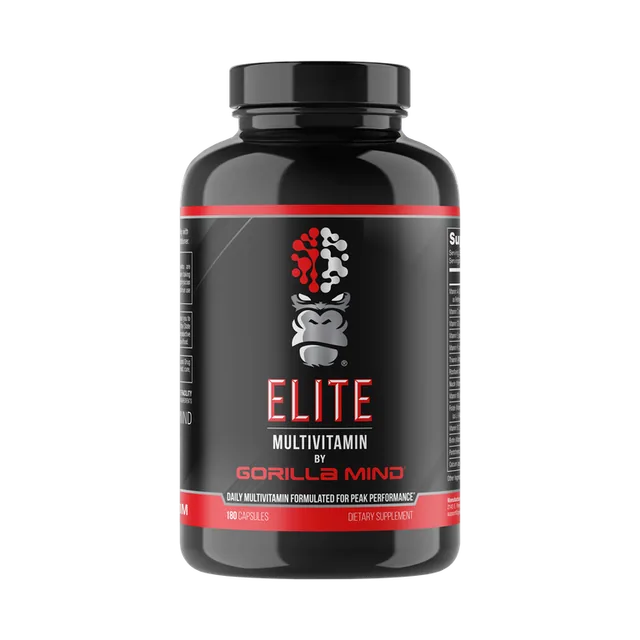
Elite Multivitamin
Interactions
synergistic. D3+K2 is one of the most important supplement combinations; D increases calcium absorption, K directs it to bones not arteries
inhibits. Vitamin K directly opposes warfarin mechanism; can cause loss of anticoagulation and life-threatening clotting
competes. High-dose vitamin A may antagonize vitamin K; excessive A may interfere with K-dependent proteins
inhibits. High-dose vitamin E (>800 IU) antagonizes vitamin K clotting function and may increase bleeding risk
Related comparisons
Top products
Medical disclaimer: This content is for informational purposes only and does not constitute medical advice. Always consult a qualified healthcare provider before starting any supplement regimen.