
Comparison
Betaine vs Agmatine
TL;DR
Quick comparison: Betaine and Agmatine have 0 overlapping categories and appear together in 3 products.
- Choose Betaine if: Betaine (trimethylglycine/TMG) is a methyl donor derived from choline oxidation....
- Choose Agmatine if: Agmatine is a biogenic amine derived from L-arginine through decarboxylation. It...
- Take both if: You want comprehensive coverage across 0 shared categories.
565 products
analyzed in our comprehensive supplement database
Source · MoodStack Database (2026)
Side-by-side comparison
| Feature | Betaine | Agmatine |
|---|---|---|
| Type | amino_acid | amino_acid |
| Common Dosage | 1.5-6 g daily | 500-2500 mg daily |
| Best Bioavailability | Betaine Anhydrous (60%) | Agmatine Sulfate (50%) |
| Categories | 1 | 0 |
| Available Products | 0 | 0 |
Betaine
Agmatine
Can you take both?
Yes, Betaine and Agmatine can typically be taken together. In fact, we found 3 products in our database that contain both supplements, suggesting they complement each other well.
Key differences
Option A
Betaine
Betaine (trimethylglycine/TMG) is a methyl donor derived from choline oxidation. It plays a critical role in homocysteine metabolism by donating a methyl group to convert homocysteine back to methionine. It also functions as an osmolyte, protecting cells from dehydration stress.
Categories
Common forms
- Betaine Anhydrous · 60% bioavailability
Option B
Agmatine
Agmatine is a biogenic amine derived from L-arginine through decarboxylation. It acts as a neuromodulator and nitric oxide modulator in the body. Research suggests neuroprotective properties, pain modulation via imidazoline receptors, and potential benefits for mood regulation and insulin secretion.
Common forms
- Agmatine Sulfate · 50% bioavailability
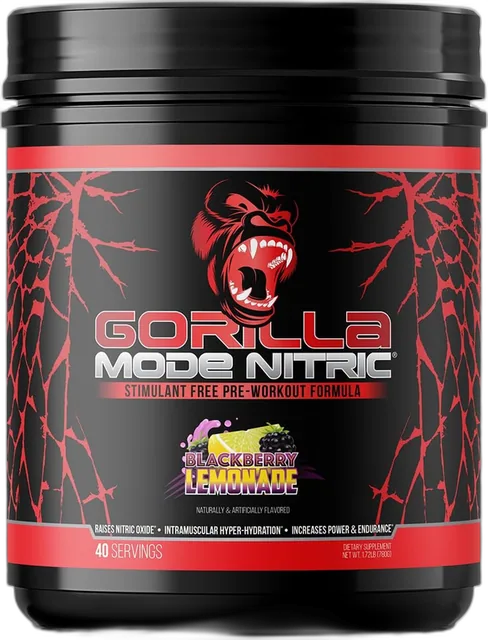
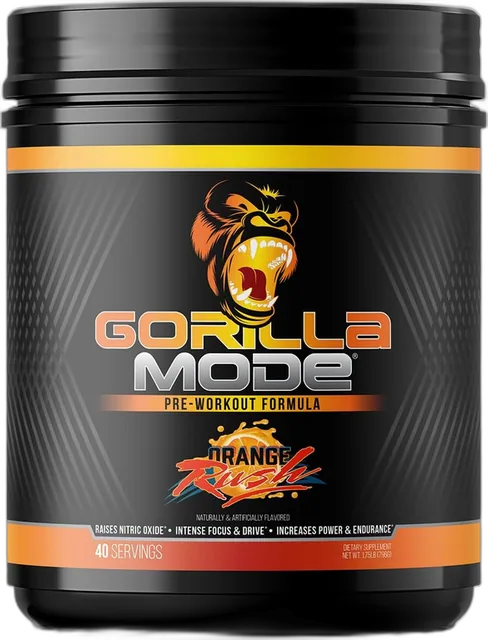
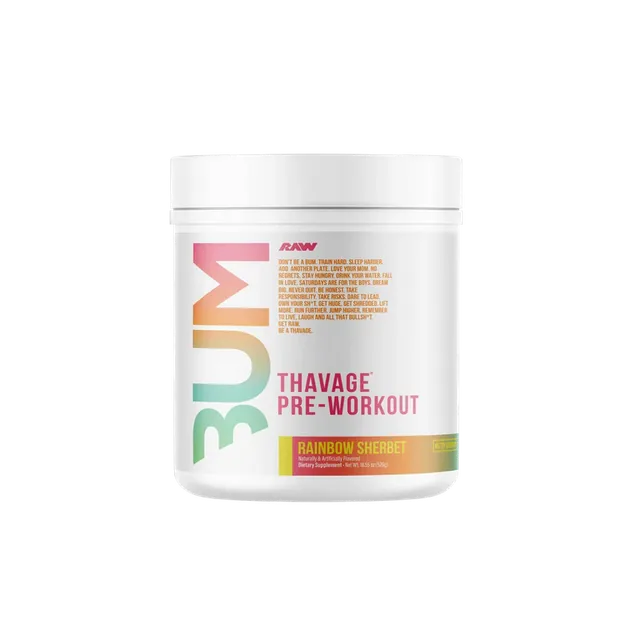
Products with both Betaine and Agmatine
We found 3 products that combine both supplements:
Frequently asked
What is the difference between Betaine and Agmatine?
Can I take Betaine and Agmatine together?
Which is more popular: Betaine or Agmatine?
Related comparisons & products
Medical disclaimer: This content is for informational purposes only and does not constitute medical advice. Always consult a qualified healthcare provider before starting any supplement regimen.