
Comparison
Green Tea vs Probiotics
TL;DR
Quick comparison: Green Tea and Probiotics have 0 overlapping categories and appear together in 3 products.
- Choose Green Tea if: Green tea (Camellia sinensis) contains catechins (especially EGCG), L-theanine, ...
- Choose Probiotics if: Live beneficial microorganisms that, when administered in adequate amounts, conf...
- Take both if: You want comprehensive coverage across 0 shared categories.
565 products
analyzed in our comprehensive supplement database
Source · MoodStack Database (2026)
Side-by-side comparison
| Feature | Green Tea | Probiotics |
|---|---|---|
| Type | herb | probiotic |
| Common Dosage | 250-500 mg green tea extract (standardized to 50% EGCG) daily | N/A |
| Best Bioavailability | Green Tea (20%) | Multi-Strain Probiotic Blend (0%) |
| Categories | 1 | 0 |
| Available Products | 0 | 0 |
Green Tea
Probiotics
Can you take both?
Yes, Green Tea and Probiotics can typically be taken together. In fact, we found 3 products in our database that contain both supplements, suggesting they complement each other well.
Key differences
Option A
Green Tea
Green tea (Camellia sinensis) contains catechins (especially EGCG), L-theanine, and caffeine in a synergistic matrix. EGCG is the most potent catechin, with extensive research on fat metabolism, cancer prevention, cardiovascular protection, and cognitive function. Second most consumed beverage globally after water.
Categories
Common forms
- Green Tea · 20% bioavailability
Option B
Probiotics
Live beneficial microorganisms that, when administered in adequate amounts, confer health benefits on the host. Support digestive health, immune function, and gut barrier integrity.
Common forms
- Multi-Strain Probiotic Blend
Products with both Green Tea and Probiotics
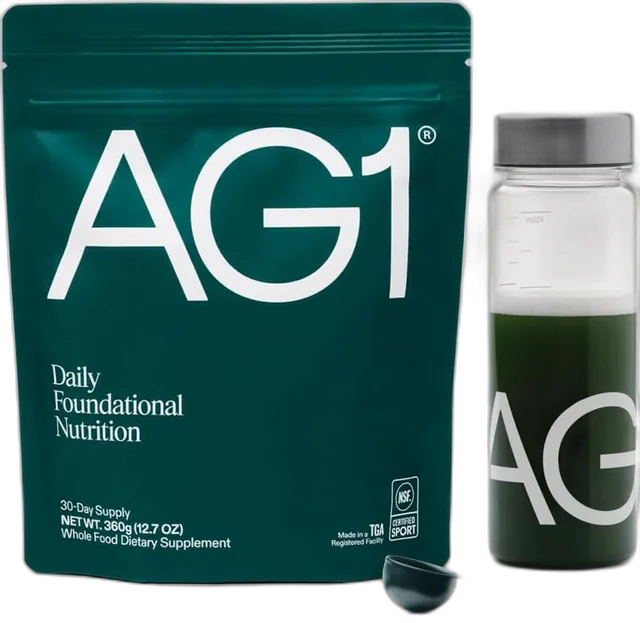
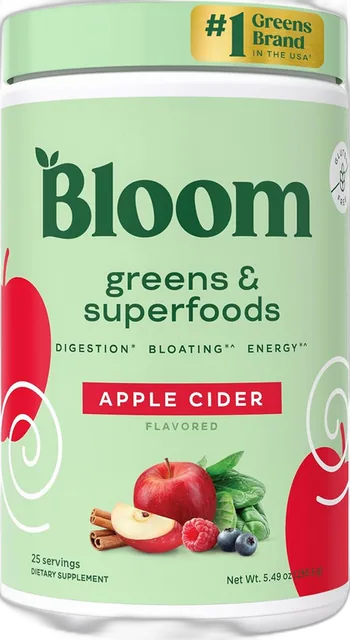
We found 3 products that combine both supplements:
Frequently asked
What is the difference between Green Tea and Probiotics?
Can I take Green Tea and Probiotics together?
Which is more popular: Green Tea or Probiotics?
Related comparisons & products
Medical disclaimer: This content is for informational purposes only and does not constitute medical advice. Always consult a qualified healthcare provider before starting any supplement regimen.