
herb
Green Tea
TL;DR
Green tea (Camellia sinensis) contains catechins (especially EGCG), L-theanine, and caffeine in a synergistic matrix. EGCG is the most potent catechin, with extensive research on fat metabolism, cancer prevention, cardiovascular protection, and cognitive function.
Overview
Green tea (Camellia sinensis) contains catechins (especially EGCG), L-theanine, and caffeine in a synergistic matrix. EGCG is the most potent catechin, with extensive research on fat metabolism, cancer prevention, cardiovascular protection, and cognitive function. Second most consumed beverage globally after water.
8 / 565
products in our database contain Green Tea
Source · MoodStack database
Compound forms
Green Tea comes in several molecular forms. Each absorbs and acts differently.
Green Tea
Camellia sinensis (EGCG)
Bioavailability
20%
Typical dose
250–750 mg
Benefits
- Fat metabolism
- Cardiovascular protection
- Cancer prevention
- Cognitive function
- Antioxidant
- Blood sugar regulation
Dose guide
Common dose
250-500 mg green tea extract (standardized to 50% EGCG) daily
Typical range
250–500 mg
Based on 8 products in our database.
Products with Green Tea
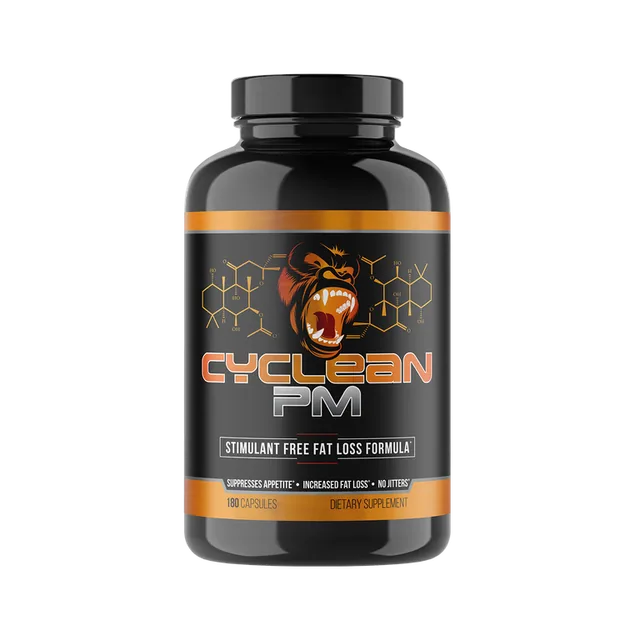
Cyclean PM
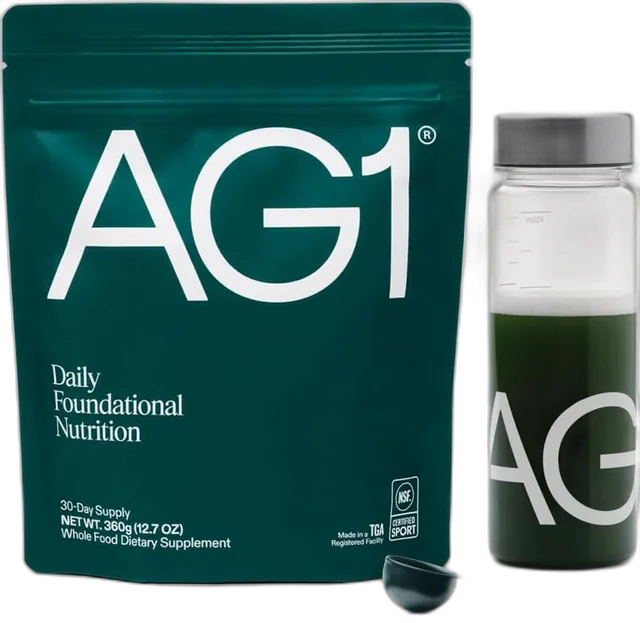
AG1 Next Gen
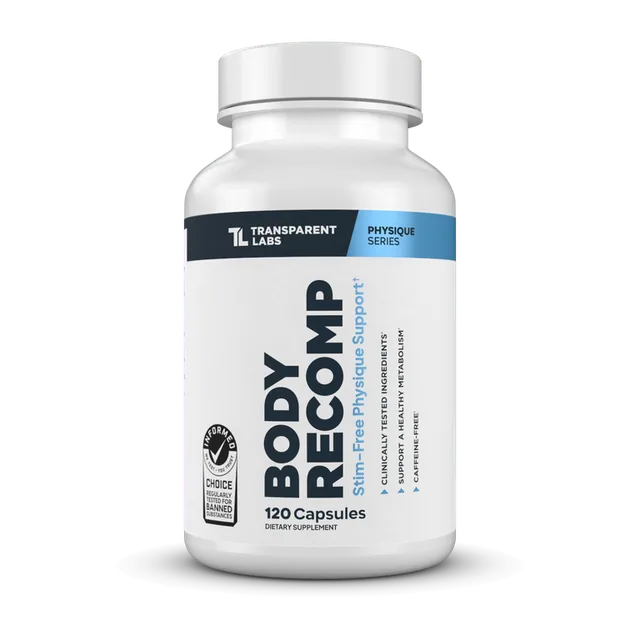
Transparent Labs Fat Burner Stim-Free (Body Recomp)
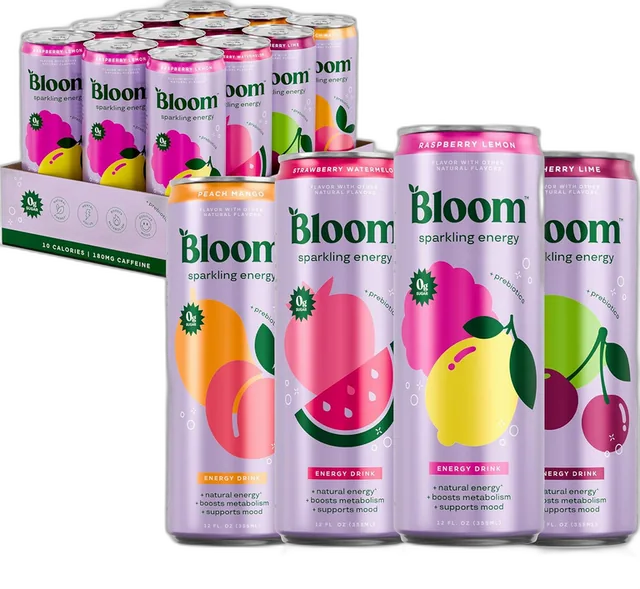
Sparkling Energy Drink
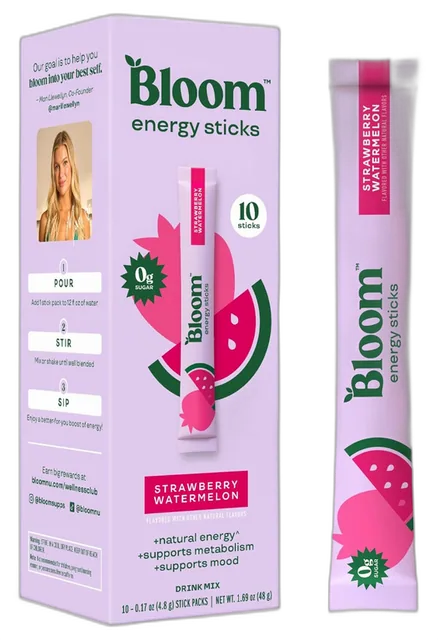
Energy Sticks

High Energy Pre-Workout
Greens & Superfoods
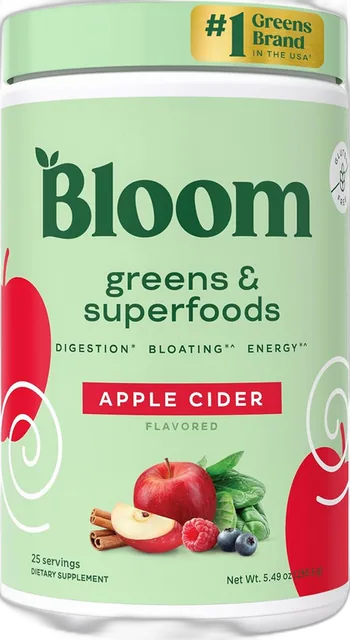
Greens & Superfoods Stick Packs
Interactions
inhibits. EGCG and catechins chelate non-heme iron, reducing absorption by 60-90%
synergistic. Contains native caffeine; EGCG inhibits COMT extending caffeine and catecholamine activity
synergistic. Vitamin C stabilizes catechins in the GI tract, increasing EGCG bioavailability
inhibits. EGCG inhibits dihydrofolate reductase; high doses may reduce folate status
Related comparisons
Related categories
Top products
Medical disclaimer: This content is for informational purposes only and does not constitute medical advice. Always consult a qualified healthcare provider before starting any supplement regimen.