
peptide_and_small_protein
Casein Protein
TL;DR
Casein is the predominant protein in milk (80%), known for its slow digestion and sustained amino acid release over 6-8 hours. It forms a gel (clot) in the stomach, providing a time-released delivery of amino acids.
Overview
Casein is the predominant protein in milk (80%), known for its slow digestion and sustained amino acid release over 6-8 hours. It forms a gel (clot) in the stomach, providing a time-released delivery of amino acids. Micellar casein is the least processed form; casein hydrolysate is pre-digested for faster absorption.
5 / 565
products in our database contain Casein Protein
Source · MoodStack database
Compound forms
Casein Protein comes in several molecular forms. Each absorbs and acts differently.
Casein Hydrolysate
Enzymatically pre-digested casein
Bioavailability
80%
Typical dose
1000–3000 mg
Benefits
- Sustained amino acid delivery
- Muscle protein synthesis
- Appetite control
- Calcium source
Dose guide
Common dose
20-40 g per serving
Typical range
20000–40000 mg
Based on 5 products in our database.
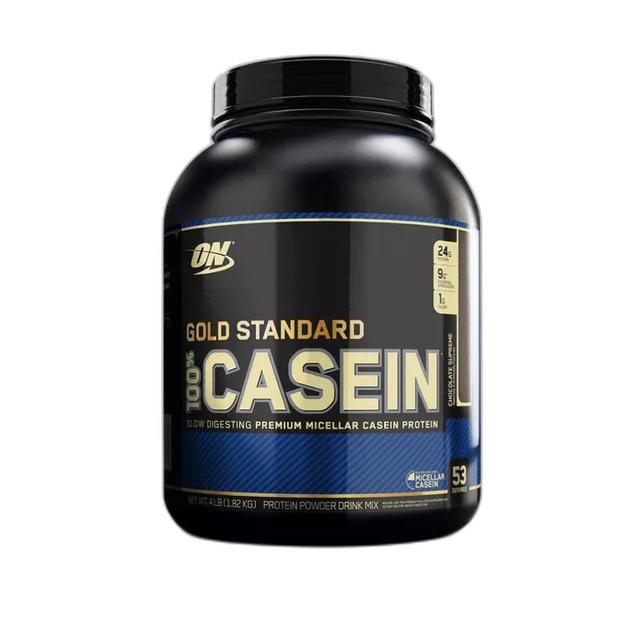
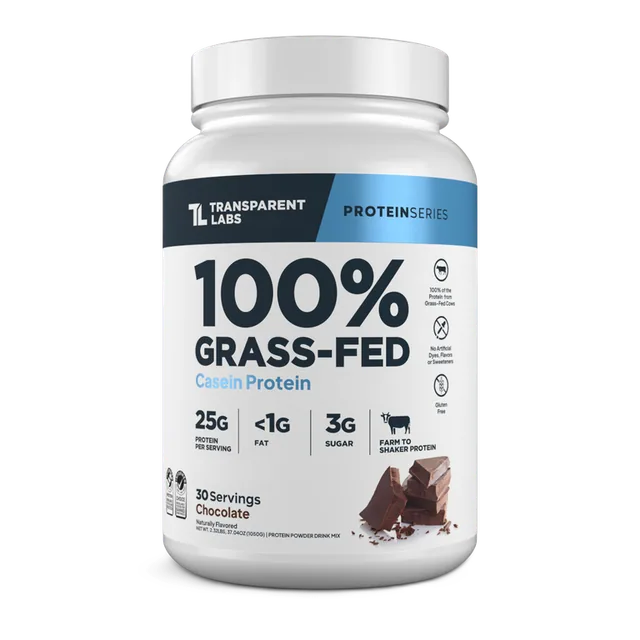
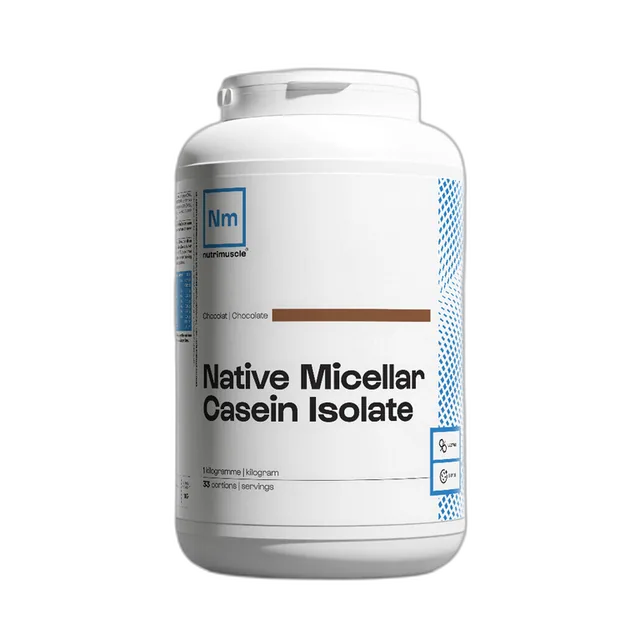
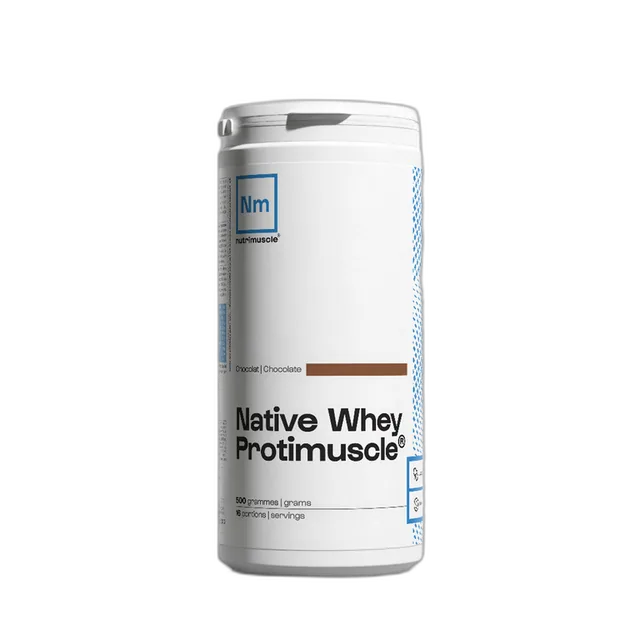
Products with Casein Protein
Interactions
synergistic. Whey provides a rapid aminoacidemia spike (fast absorption) while casein provides sustained amino acid delivery over 6-7 hours; combined they provide both immediate and sustained MPS
enhances. Casein is naturally rich in calcium (micellar casein contains ~850mg calcium per 100g protein); casein phosphopeptides also enhance calcium absorption in the gut
competes. Casein and its calcium content strongly inhibit non-heme iron absorption; casein phosphopeptides bind iron in the GI tract
Related categories
Top products
Medical disclaimer: This content is for informational purposes only and does not constitute medical advice. Always consult a qualified healthcare provider before starting any supplement regimen.