
peptide_and_small_protein
Creatine
TL;DR
Naturally occurring compound stored primarily in muscles as phosphocreatine. Serves as rapid energy reserve for high-intensity activities.
Overview
Naturally occurring compound stored primarily in muscles as phosphocreatine. Serves as rapid energy reserve for high-intensity activities.
11 / 565
products in our database contain Creatine
Source · MoodStack database
Compound forms
Creatine comes in several molecular forms. Each absorbs and acts differently.
Buffered Creatine (Kre-Alkalyn®)
pH-buffered creatine monohydrate
Bioavailability
82%
Typical dose
3–10 g
Creatine Ethyl Ester
Creatine ethyl ester
Bioavailability
75%
Typical dose
3–10 g
Creatine HCl
Creatine hydrochloride
Bioavailability
85%
Typical dose
—
Creatine Monohydrate
N-(aminoiminomethyl)-N-methylglycine · H₂O
Bioavailability
80%
Typical dose
3000–5000 mg
Creatine Nitrate
Creatine nitrate
Bioavailability
80%
Typical dose
3–8 g
Monohydrate
Bioavailability
80%
Typical dose
—
Benefits
- Increases muscle strength and power
- Improves high-intensity exercise performance
- May support cognitive function
- Supports muscle recovery
- May increase lean muscle mass
Dose guide
Common dose
3-5 g daily
Typical range
3000–10000 mg
Based on 11 products in our database.
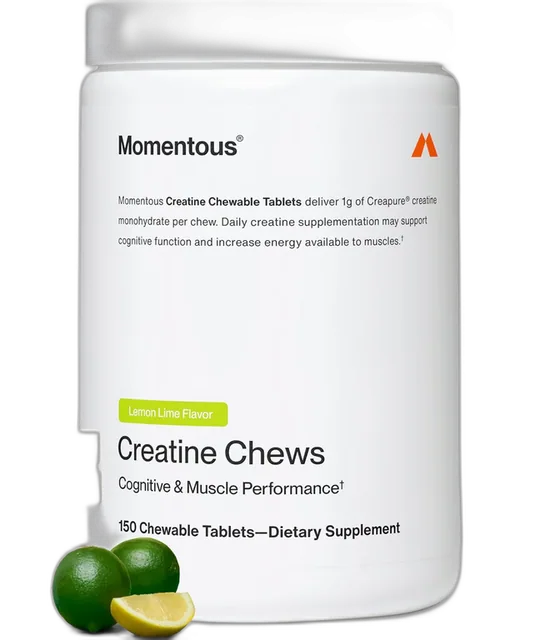
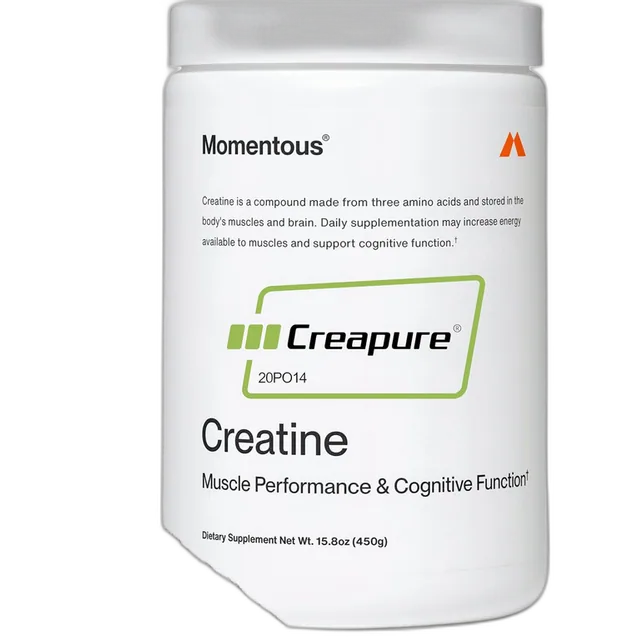
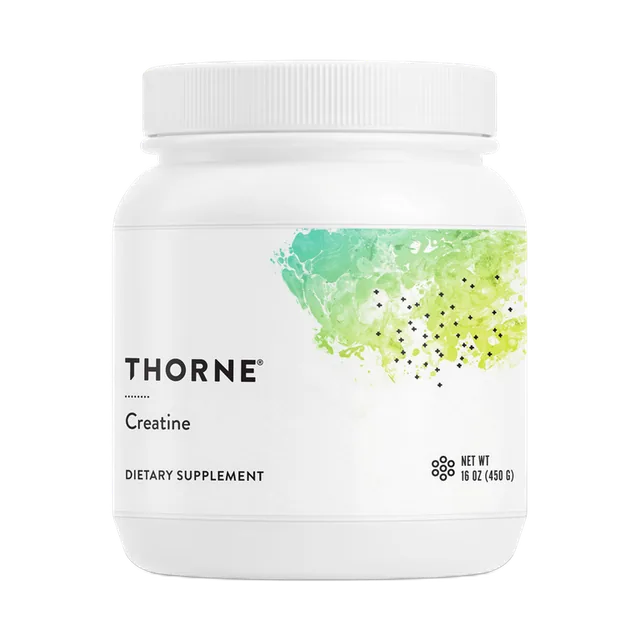
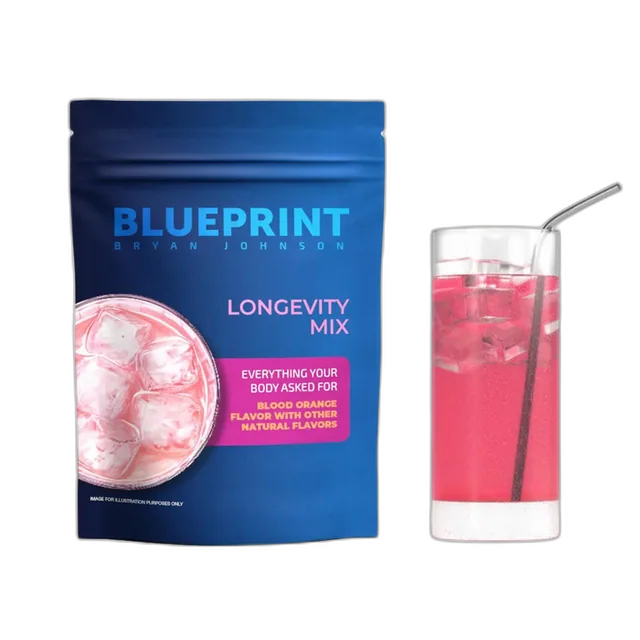
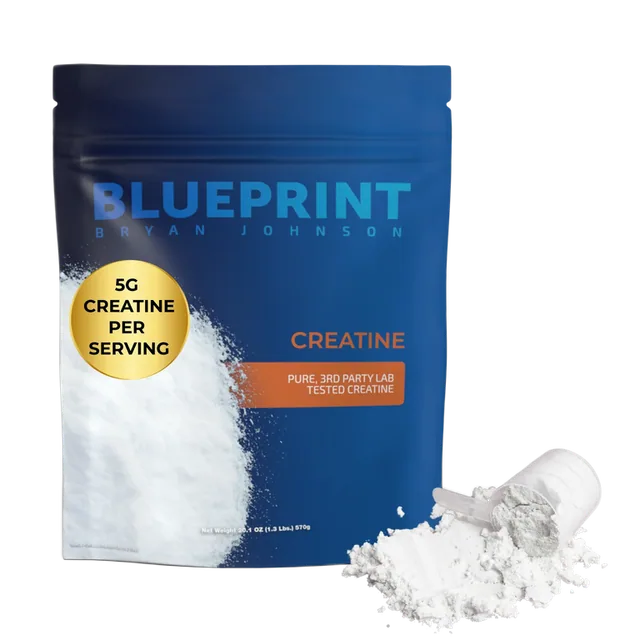
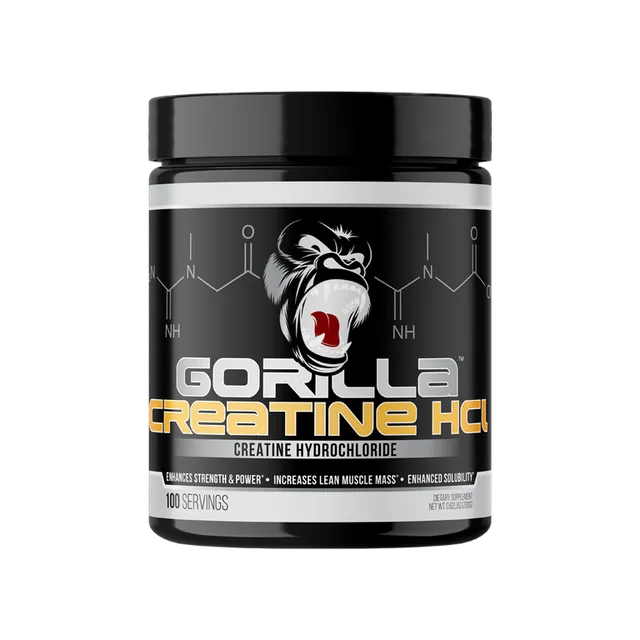
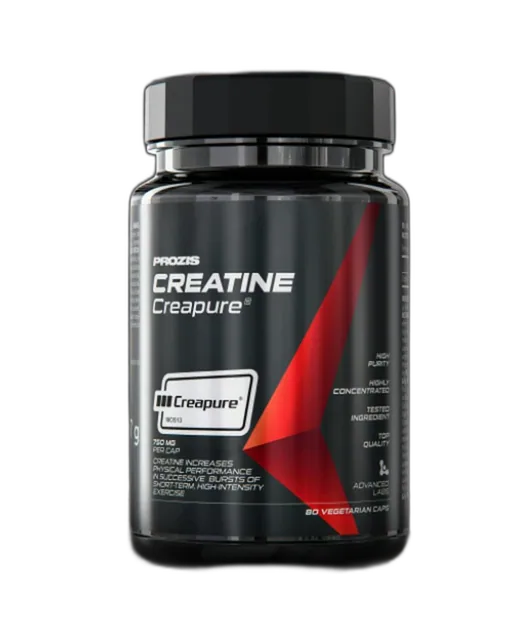
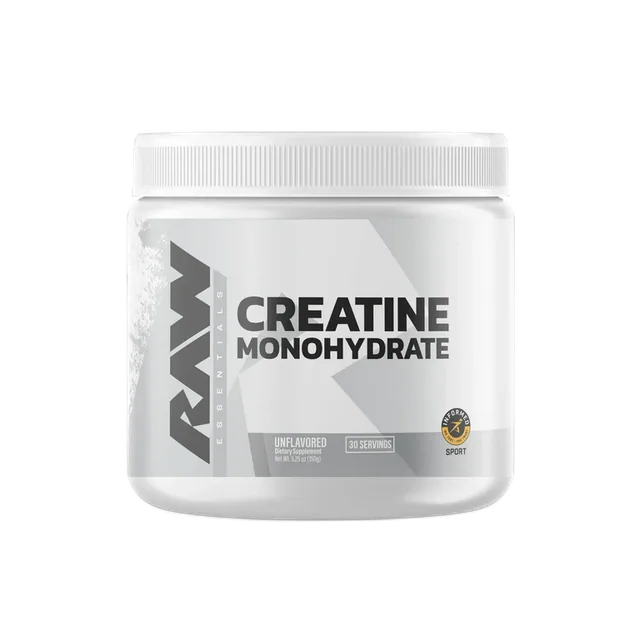
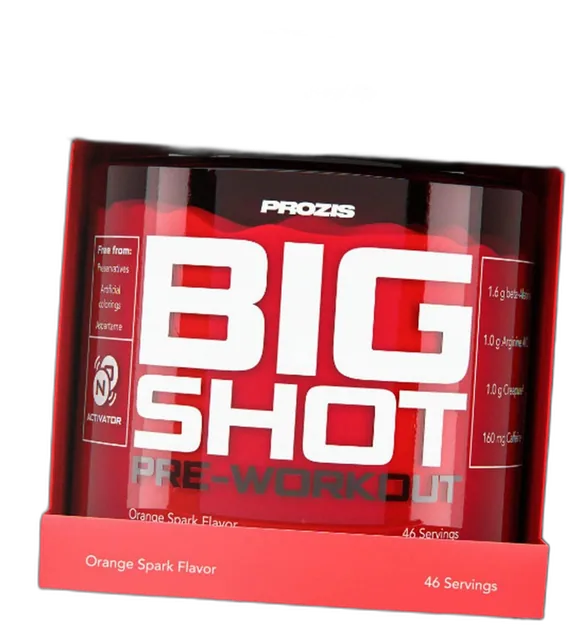
Products with Creatine
Interactions
competes. Early research suggested caffeine negated creatine loading; newer data shows minimal interference at normal doses
enhances. Insulin spike from carbs increases creatine uptake via GLUT4 and sodium-dependent creatine transporter
synergistic. Creatine supports phosphocreatine system (0-10s), beta-alanine buffers pH (60-240s); complementary energy systems
synergistic. Creatine increases force production while HMB reduces muscle damage; synergistic for lean mass
Related categories
Top products
Medical disclaimer: This content is for informational purposes only and does not constitute medical advice. Always consult a qualified healthcare provider before starting any supplement regimen.