
herb
Ginger
TL;DR
Rhizome containing gingerols and shogaols as active compounds..
Overview
Rhizome containing gingerols and shogaols as active compounds.
5 / 565
products in our database contain Ginger
Source · MoodStack database
Compound forms
Ginger comes in several molecular forms. Each absorbs and acts differently.
Curcumin extract std. 85% Curcuminoids
Curcuma longa extract (root)
Bioavailability
20%
Typical dose
—
Ginger
Zingiber officinale
Bioavailability
30%
Typical dose
1000–4000 mg
Ginger extract std. 26% Gingeroids
Zingiber officinale Roscoe (rhizome) extract
Bioavailability
40%
Typical dose
—
Ginger (Oleoresin)
Z. officinale (gingerols)
Bioavailability
35%
Typical dose
250–2000 mg
Benefits
- Supports digestive comfort
- May reduce nausea
- Has anti-inflammatory properties
- May support immune function
- May reduce muscle soreness
Dose guide
Common dose
1-3 g dried ginger daily
Typical range
250–4000 mg
Based on 5 products in our database.
Products with Ginger
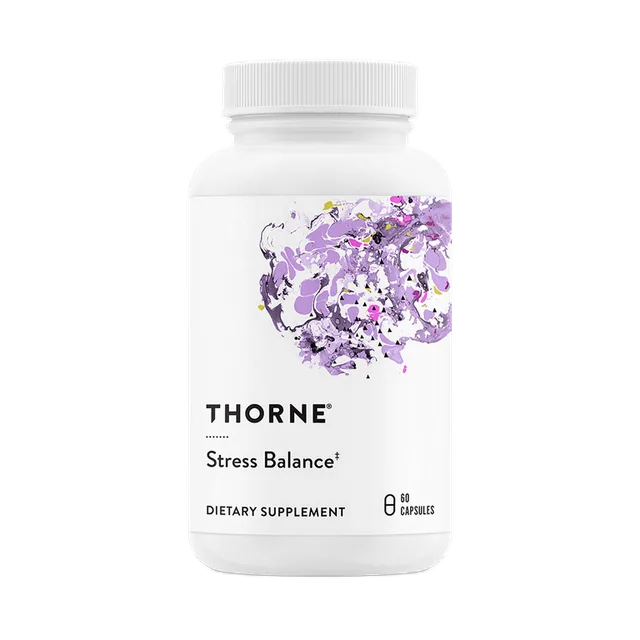
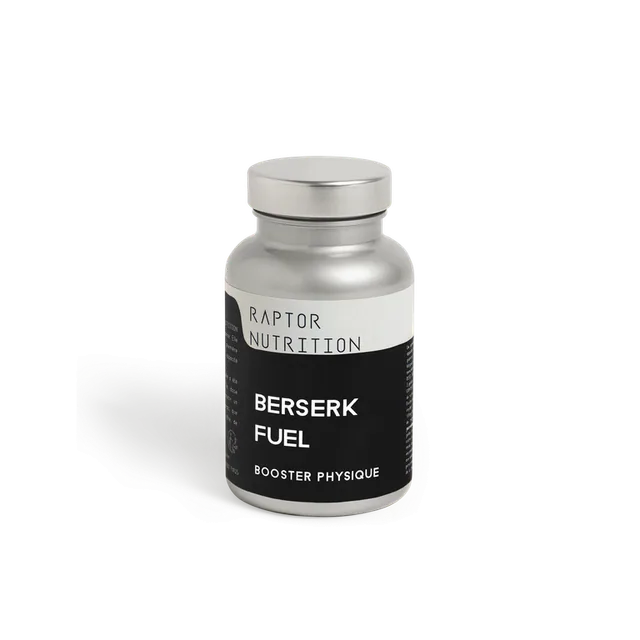
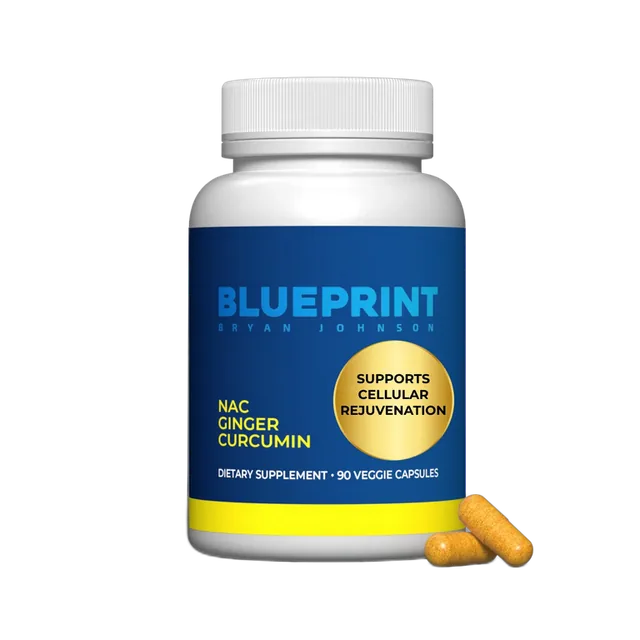
Interactions
synergistic. Ginger inhibits COX-2 and 5-LOX while curcumin inhibits NF-kB and COX-2; complementary anti-inflammatory coverage across multiple pathways
enhances. Ginger inhibits thromboxane synthetase, reducing platelet aggregation; may modestly increase bleeding risk with anticoagulants
enhances. Ginger may lower blood sugar by improving insulin sensitivity and reducing fasting glucose; additive effect with diabetes medications
synergistic. Ginger promotes gastric motility and reduces nausea via 5-HT3 receptor antagonism while probiotics support gut microbial balance; complementary digestive support
Related comparisons
Related categories
Top products
Medical disclaimer: This content is for informational purposes only and does not constitute medical advice. Always consult a qualified healthcare provider before starting any supplement regimen.