
Best of 2026
Best Supplements for Gut Health in 2026
Supplements supporting digestive health, gut barrier integrity, microbiome diversity, and GI comfort
TL;DR
Top picks for Gut Health supplements based on scientific evidence and product analysis.
- Zinc: Essential for immune system function
- Collagen: Collagen supports skin elasticity, reduces wrinkles, and strengthens hair and nails
- Glutamine: [object Object]
16 ingredients analyzed
across 12 products for Gut Health
Source · MoodStack database
Top Gut Health Ingredients
Ranked by how often they appear in verified products in our database.
Zinc
Essential trace mineral critical for immune function, wound healing, protein synthesis, and DNA synthesis.
Collagen
Collagen supports skin elasticity, reduces wrinkles, and strengthens hair and nails. It promotes joint health, improves bone density, and aids gut health. Found in bone broth, fish, and supplements.
Glutamine
L-Glutamine is the most abundant amino acid in the body and conditionally essential during stress, illness, or intense exercise. It is the primary fuel for enterocytes (gut lining cells) and lymphocytes. Depletion during catabolic states impairs immune function and gut barrier integrity. Critical for recovery.
Ginger
Rhizome containing gingerols and shogaols as active compounds.
Fiber
Dietary fiber promotes digestive health, prevents constipation, and supports gut microbiota. It helps regulate blood sugar, lowers cholesterol, and aids weight management by increasing satiety. Fruits, vegetables, and whole grains are excellent sources.
Cellulase
Cellulase is a group of enzymes that hydrolyze cellulose (plant fiber) into glucose. Humans do not produce cellulase naturally, so supplementation helps break down plant cell walls, improving nutrient extraction from vegetables, fruits, and grains. Key enzyme in plant-based digestive formulas.
Lipase
Lipase is a digestive enzyme that hydrolyzes dietary fats (triglycerides) into fatty acids and glycerol. Produced by the pancreas and present in saliva, it is essential for fat digestion and absorption of fat-soluble vitamins (A, D, E, K). Supplemental lipase supports fat digestion in enzyme insufficiency.
Berberine
Berberine is an isoquinoline alkaloid found in goldenseal, barberry, and Oregon grape. It activates AMPK (the metabolic master switch) similarly to metformin. Clinical evidence for blood sugar regulation rivals pharmaceutical options. Also potent antimicrobial, lipid-lowering, and gut health benefits.
Amylase
Amylase is a digestive enzyme that breaks down starch and complex carbohydrates into simple sugars. Produced naturally by the salivary glands and pancreas, supplemental amylase aids carbohydrate digestion. It is commonly included in multi-enzyme digestive support formulas.
Lactobacillus acidophilus
Lactobacillus acidophilus is the most widely studied probiotic bacterium. It colonizes the small intestine, produces lactic acid and bacteriocins, and supports gut barrier integrity. Clinically validated for IBS, antibiotic-associated diarrhea, vaginal health, and immune modulation.
Bromelain
Bromelain is a mixture of proteolytic enzymes derived from pineapple stems (Ananas comosus). It has potent anti-inflammatory, fibrinolytic, and immunomodulatory properties. Used clinically in Europe for sinusitis, surgical recovery, and joint inflammation. Survives GI transit and is absorbed intact.
Ox Bile
Ox bile extract (bovine bile salts) provides conjugated bile acids identical to those produced by the human gallbladder. Essential for individuals without a gallbladder (cholecystectomy) or with poor bile production. Bile emulsifies dietary fats, enabling lipase action and fat-soluble vitamin absorption.
Papain
Papain is a proteolytic enzyme extracted from papaya (Carica papaya) latex. It breaks down proteins by cleaving peptide bonds and has anti-inflammatory and digestive properties. Used as a meat tenderizer, digestive aid, and in wound debridement products.
Peppermint
Peppermint (Mentha × piperita) contains menthol as its primary active compound, which activates TRPM8 cold receptors and relaxes smooth muscle. Enteric-coated peppermint oil is one of the most effective treatments for IBS with Number Needed to Treat (NNT) of 3-4. Also used for headaches, sinus, and cognitive performance.
Pancreatin
Pancreatin is a mixture of pancreatic enzymes (lipase, amylase, protease) derived from porcine or bovine pancreas. It provides broad-spectrum digestive support and is the standard treatment for exocrine pancreatic insufficiency (EPI). Measured in USP units for standardized potency.
BPC-157
BPC-157 (Body Protection Compound-157) is a synthetic pentadecapeptide derived from a protective protein found in human gastric juice. Research (primarily animal studies) shows remarkable tissue healing properties across tendons, ligaments, muscles, gut, and nervous system. It modulates the NO system, growth factor expression, and the FAK-paxillin pathway.
Top Products for Gut Health
Ranked by MoodStack composite score.
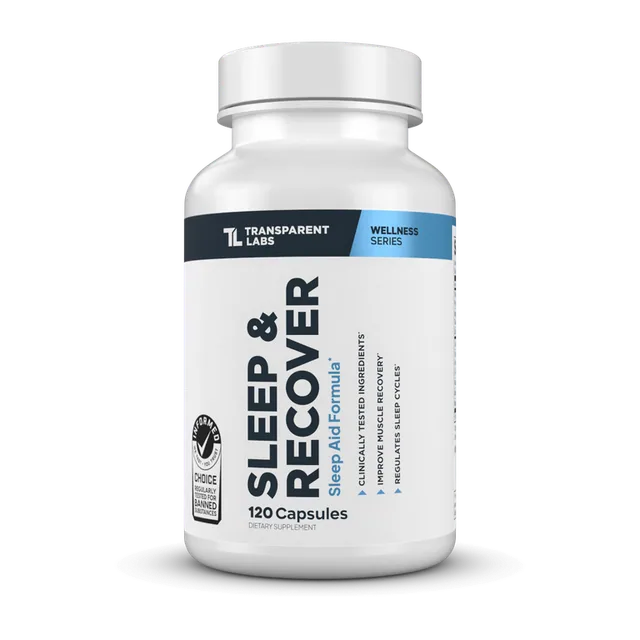
Transparent Labs Sleep Aid (Sleep & Recover)
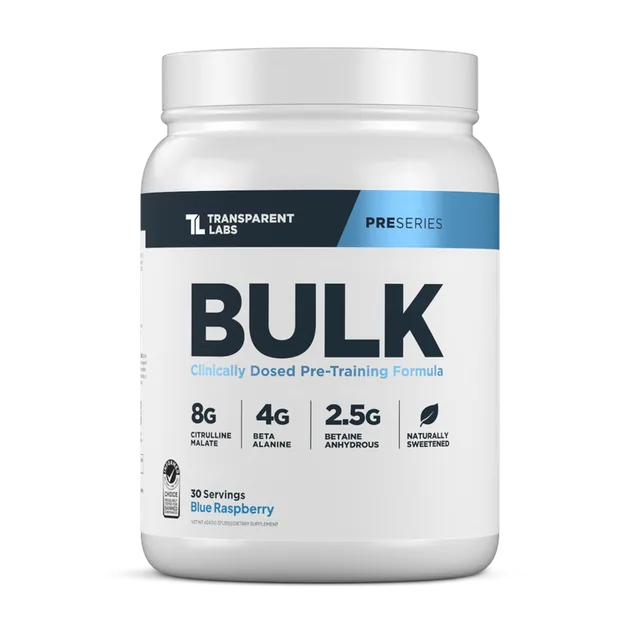
Transparent Labs BULK Pre-Workout
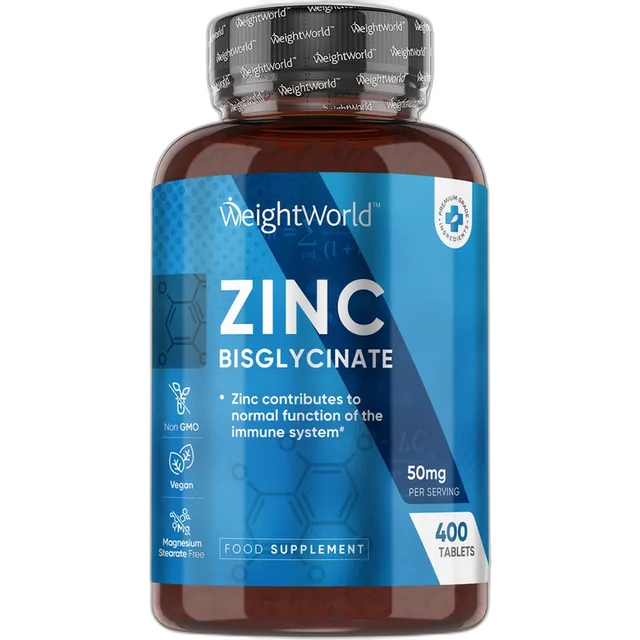
Zync Bisglycinate
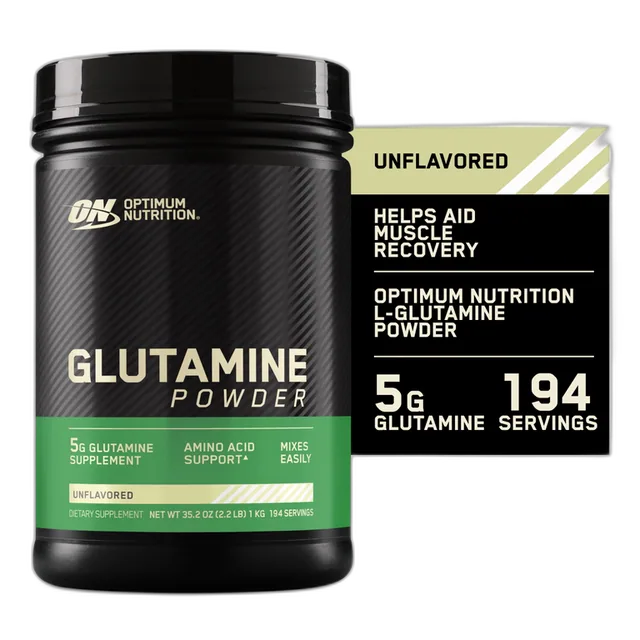
Optimum Nutrition Glutamine Powder
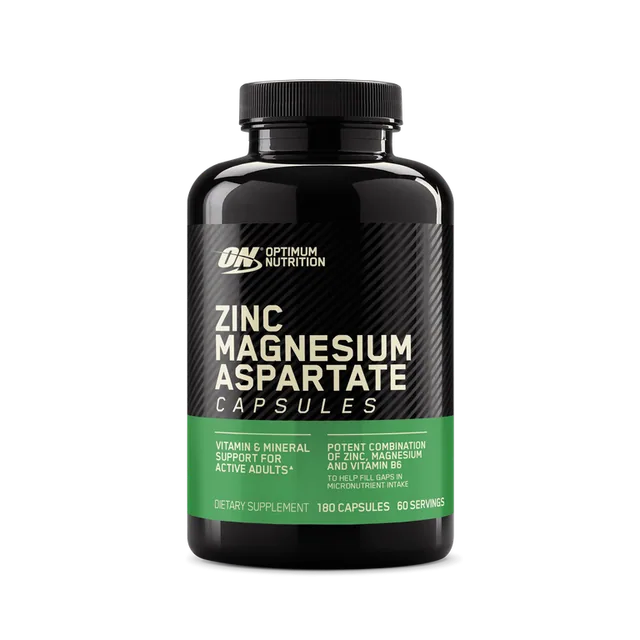
Optimum Nutrition ZMA
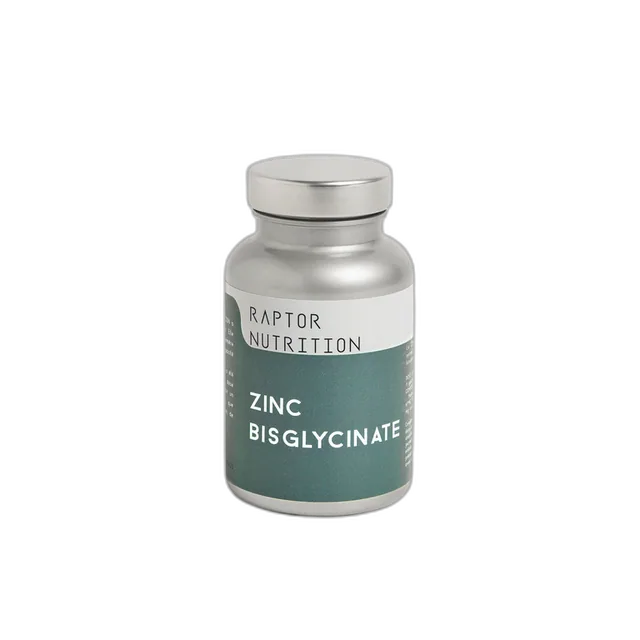
Zinc Bisglycinate
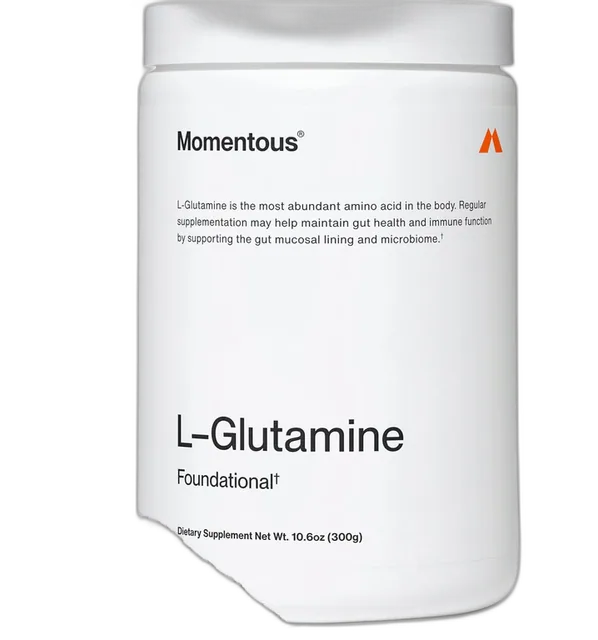
L-Glutamine
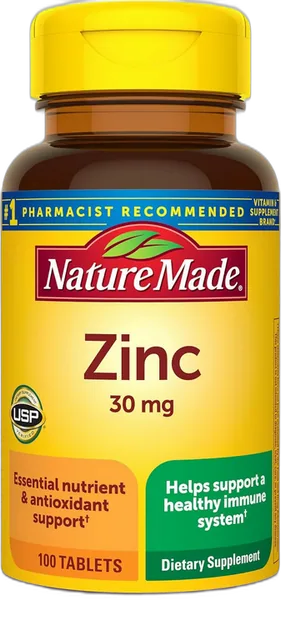
Zinc 30 mg Tablets
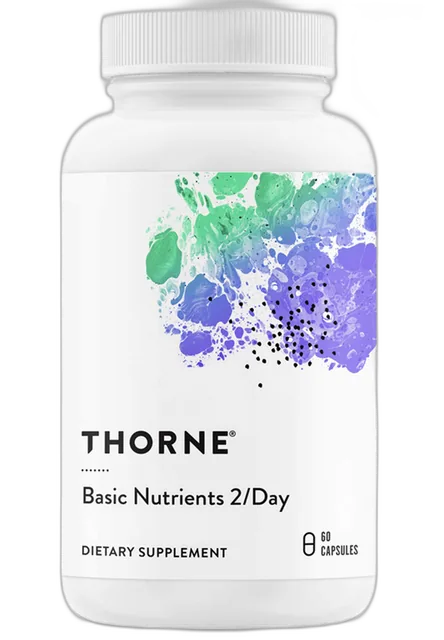
Basic Nutrients 2/Day
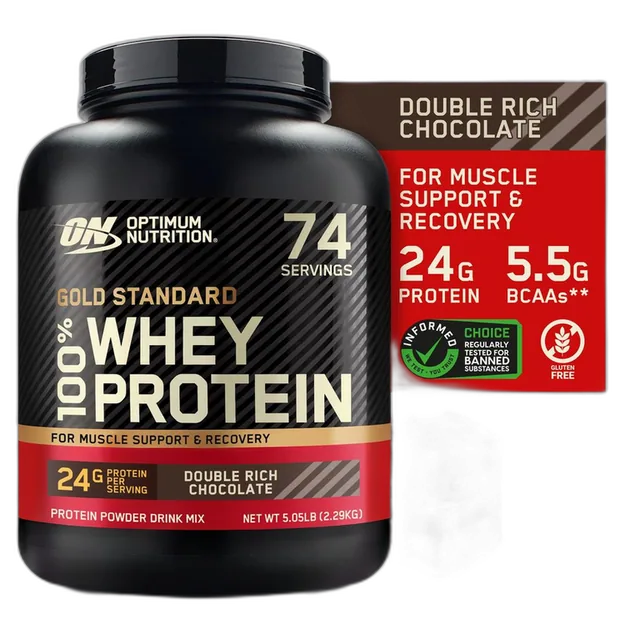
Optimum Nutrition Gold Standard 100% Whey
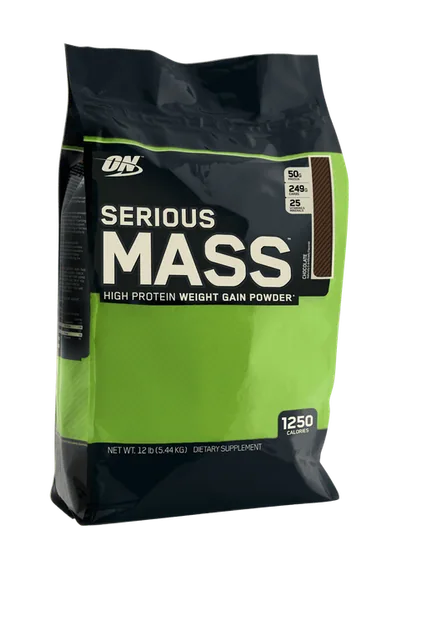
Optimum Nutrition Serious Mass
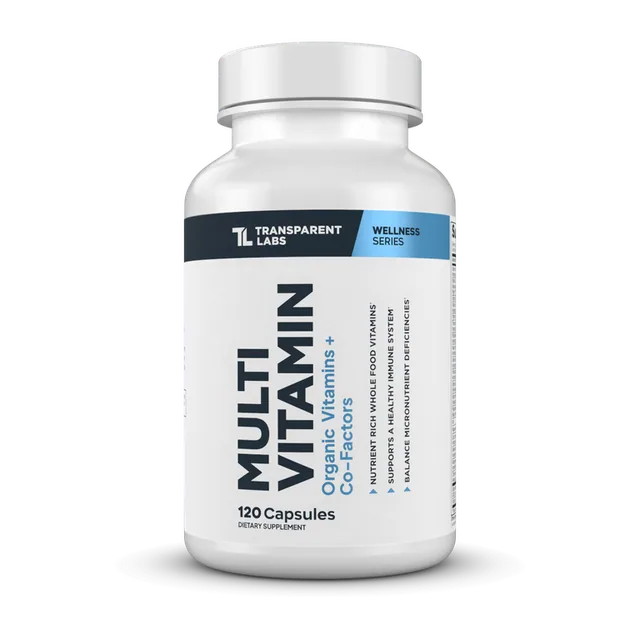
Transparent Labs Multivitamin
Stacking Tips
A complete gut health stack should address all three pillars: Probiotics (microbiome), Glutamine (barrier repair), and Fiber (prebiotic fuel). Take probiotics on an empty stomach, and introduce fiber gradually to avoid bloating.
For digestive support, add digestive enzymes (Bromelain, Amylase, Lipase) with meals. For targeted gut repair, BPC-157 has emerging evidence for healing the gut lining.
Timing tip: Probiotics are best taken 30 minutes before meals. Fiber should be taken with water between meals. Glutamine can be taken any time on an empty stomach.
Frequently asked
What is the best supplement for gut health?
How long do probiotics take to work?
Can supplements help with leaky gut?
Should I take prebiotics or probiotics?
What supplements help with bloating?
Related Supplements & Comparisons
Medical disclaimer: This content is for informational purposes only and does not constitute medical advice. Always consult a qualified healthcare provider before starting any supplement regimen.