
extract
Resveratrol
TL;DR
Resveratrol is a polyphenol stilbene found in red grape skin, Japanese knotweed, and berries. It activates SIRT1 (the longevity sirtuin), AMPK, and Nrf2 pathways.
Overview
Resveratrol is a polyphenol stilbene found in red grape skin, Japanese knotweed, and berries. It activates SIRT1 (the longevity sirtuin), AMPK, and Nrf2 pathways. Despite bioavailability challenges, clinical evidence supports cardiovascular, metabolic, and neuroprotective effects. Trans-resveratrol is the bioactive form.
3 / 565
products in our database contain Resveratrol
Source · MoodStack database
Compound forms
Resveratrol comes in several molecular forms. Each absorbs and acts differently.
Trans-Resveratrol
(E)-5-(4-hydroxystyryl)benzene-1,3-diol
Bioavailability
12%
Typical dose
—
Benefits
- SIRT1 activation
- Cardiovascular protection
- Anti-inflammatory
- Blood sugar regulation
- Neuroprotection
- Anti-aging
Dose guide
Common dose
150-500 mg trans-resveratrol daily
Typical range
150–500 mg
Based on 3 products in our database.
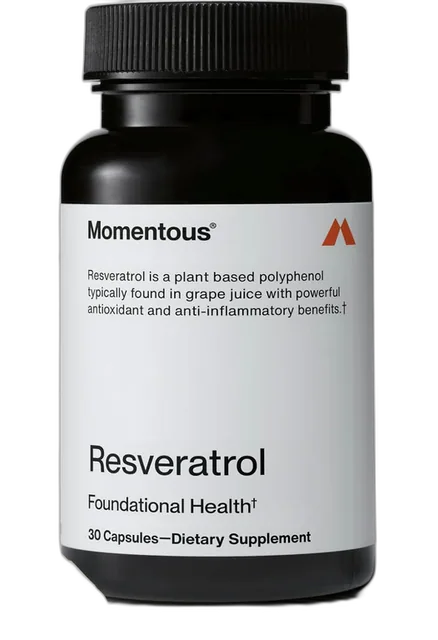
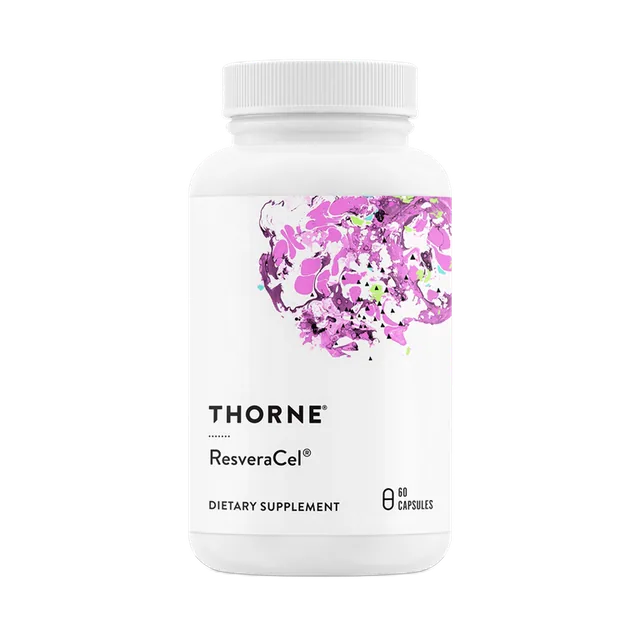
Products with Resveratrol
Interactions
synergistic. Both activate SIRT1 and have senolytic properties; quercetin enhances resveratrol bioavailability
synergistic. Both activate AMPK and SIRT1; synergistic anti-inflammatory and anti-aging effects via different mechanisms
enhances. Piperine inhibits glucuronidation of resveratrol, significantly increasing bioavailability
enhances. Resveratrol has antiplatelet activity; may increase bleeding risk with anticoagulants
Related categories
Top products
Medical disclaimer: This content is for informational purposes only and does not constitute medical advice. Always consult a qualified healthcare provider before starting any supplement regimen.