
peptide_and_small_protein
Whey Protein
TL;DR
Whey Protein is a dietary supplement ingredient with various health applications.
30 / 565
products in our database contain Whey Protein
Source · MoodStack database
Compound forms
Whey Protein comes in several molecular forms. Each absorbs and acts differently.
Whey Protein Concentrate
~70–80 % protein, contains fats/carbs
Bioavailability
85%
Typical dose
20–50 g
Whey Protein Hydrolysate (Whey Peptides)
Enzymatically pre-digested whey proteins (smaller peptides)
Bioavailability
85%
Typical dose
—
Whey Protein Isolate
~90–95 % protein, minimal fats/carbs
Bioavailability
90%
Typical dose
20–40 g
Benefits
Supports muscle recovery and growth
Dose guide
Common dose
N/A
Typical range
1000–20000 mg
Based on 30 products in our database.
Products with Whey Protein
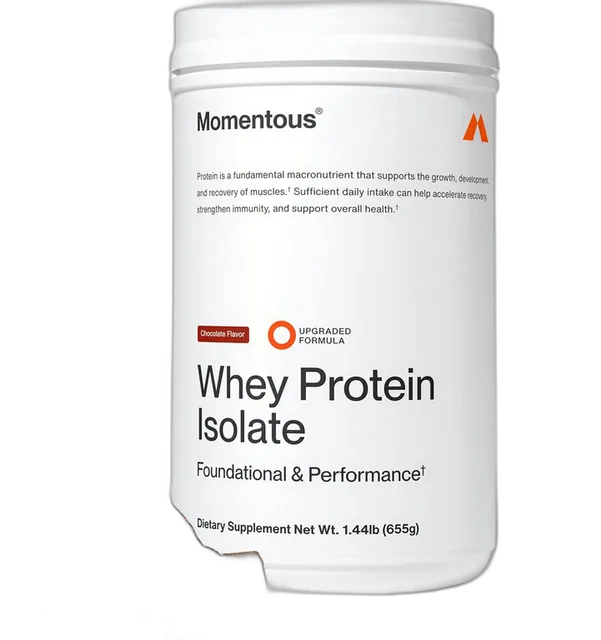
Essential Grass-Fed Whey Protein (Chocolate)
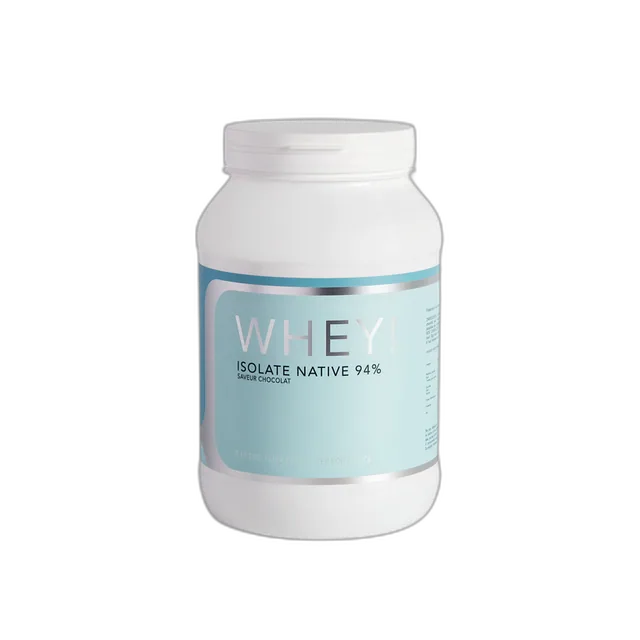
Whey Isolate Native 94%
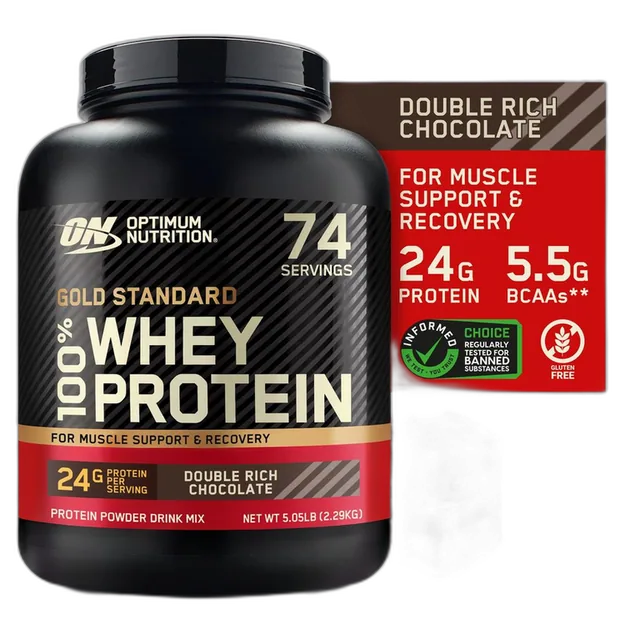
Optimum Nutrition Gold Standard 100% Whey
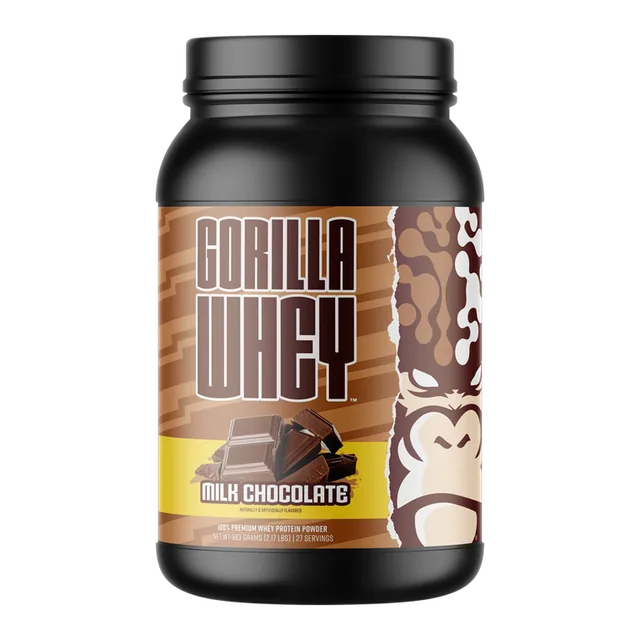
Gorilla Whey Protein
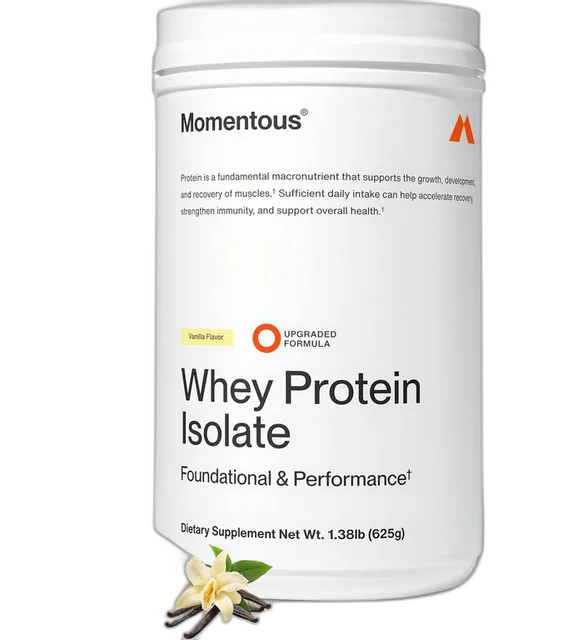
Essential Grass-Fed Whey Protein (Vanilla)
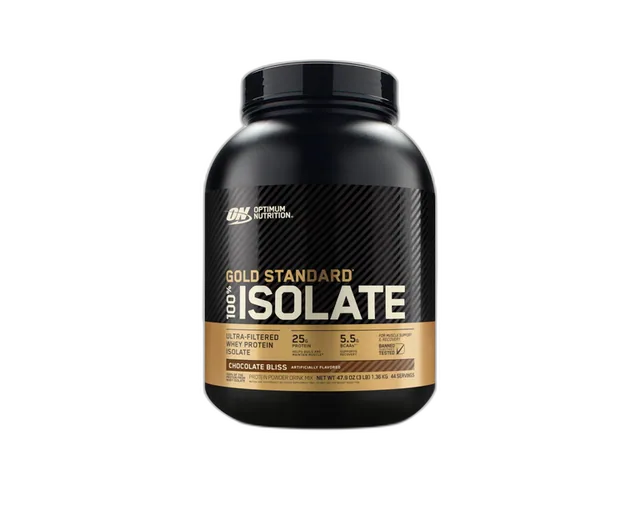
Optimum Nutrition Gold Standard 100% Isolate
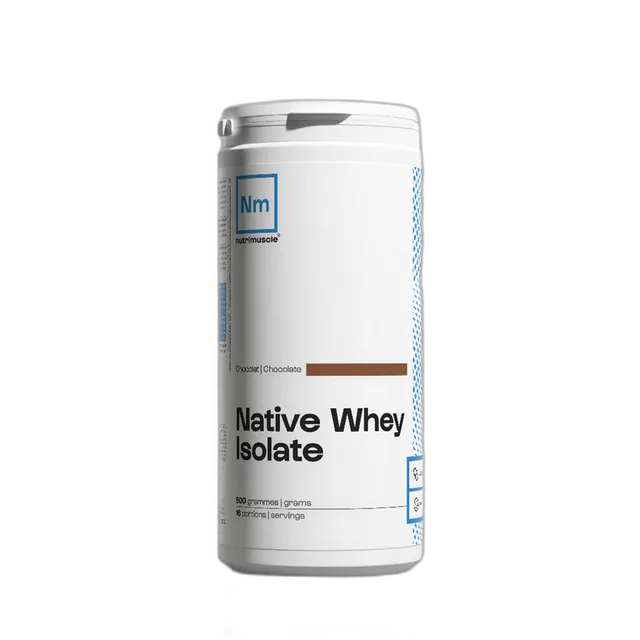
Nutrimuscle Whey Native Isolate
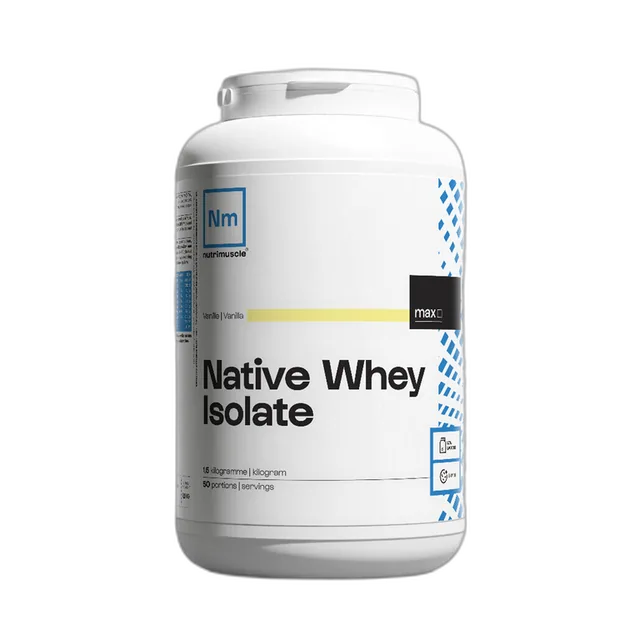
Nutrimuscle Whey Native Isolate Low Lactose
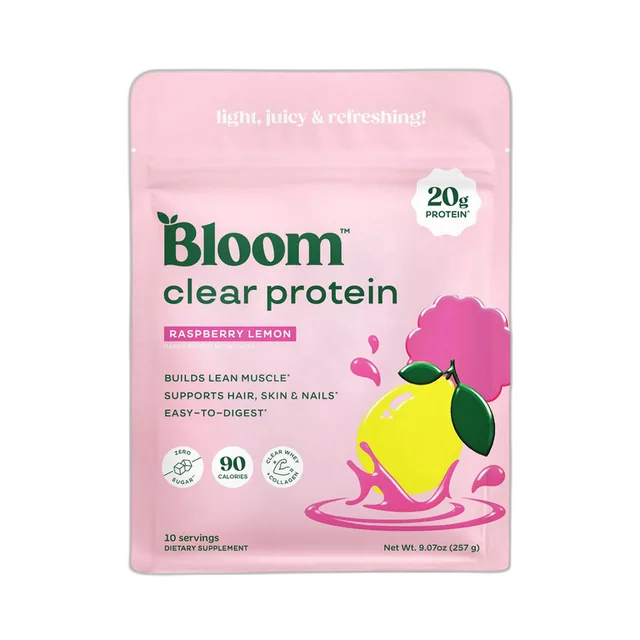
Clear Protein
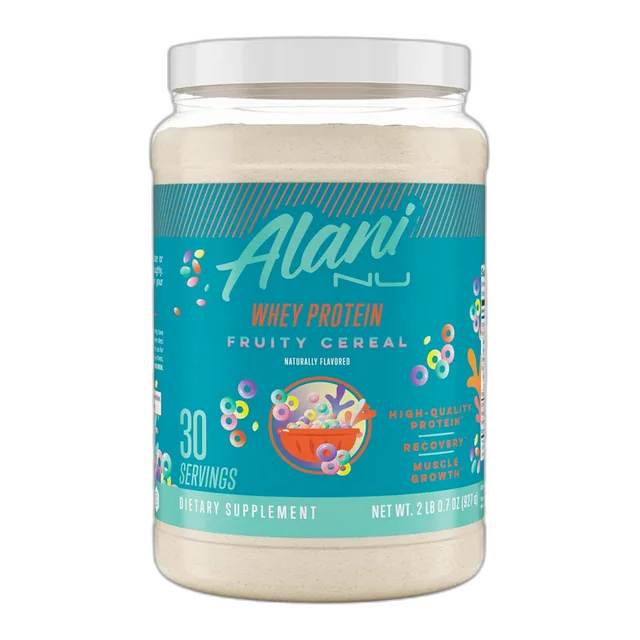
Whey Protein
Interactions
synergistic. Whey provides essential amino acids (especially leucine) for muscle protein synthesis while creatine enhances ATP regeneration for training intensity; classic muscle-building combination
enhances. Whey protein is rich in calcium and whey-derived bioactive peptides (lactoferrin) may enhance calcium absorption; whey consumption supports bone mineral density
competes. Calcium and casein in whey/milk proteins can reduce non-heme iron absorption by 30-50% when consumed simultaneously
synergistic. Protease and lactase enzymes enhance whey protein digestion, reducing bloating and gas in lactose-sensitive individuals; may increase amino acid absorption speed
Related comparisons
Related categories
Top products
Medical disclaimer: This content is for informational purposes only and does not constitute medical advice. Always consult a qualified healthcare provider before starting any supplement regimen.