Quick comparison: Vitamin C and Betaine have 1 overlapping categories and appear together in 5 products.
| Feature | Vitamin C | Betaine |
|---|---|---|
| Type | vitamin | amino_acid |
| Common Dosage | N/A | 1.5-6 g daily |
| Best Bioavailability | Liposomal (95%) | Betaine Anhydrous (60%) |
| Categories | 6 | 1 |
| Available Products | 0 | 0 |
Yes, Vitamin C and Betaine can typically be taken together. In fact, we found 5 products in our database that contain both supplements, suggesting they complement each other well.
Both supplements share 1 common category, indicating they may work synergistically for similar health goals.
Vitamin C boosts immunity, promotes collagen production for healthy skin, and enhances iron absorption. As a powerful antioxidant, it helps protect cells from damage and speeds up wound healing. Citrus fruits and supplements are great sources.
Common Forms:
Betaine (trimethylglycine/TMG) is a methyl donor derived from choline oxidation. It plays a critical role in homocysteine metabolism by donating a methyl group to convert homocysteine back to methionine. It also functions as an osmolyte, protecting cells from dehydration stress.
Categories:
Common Forms:
Both Vitamin C and Betaine are used for these health goals:
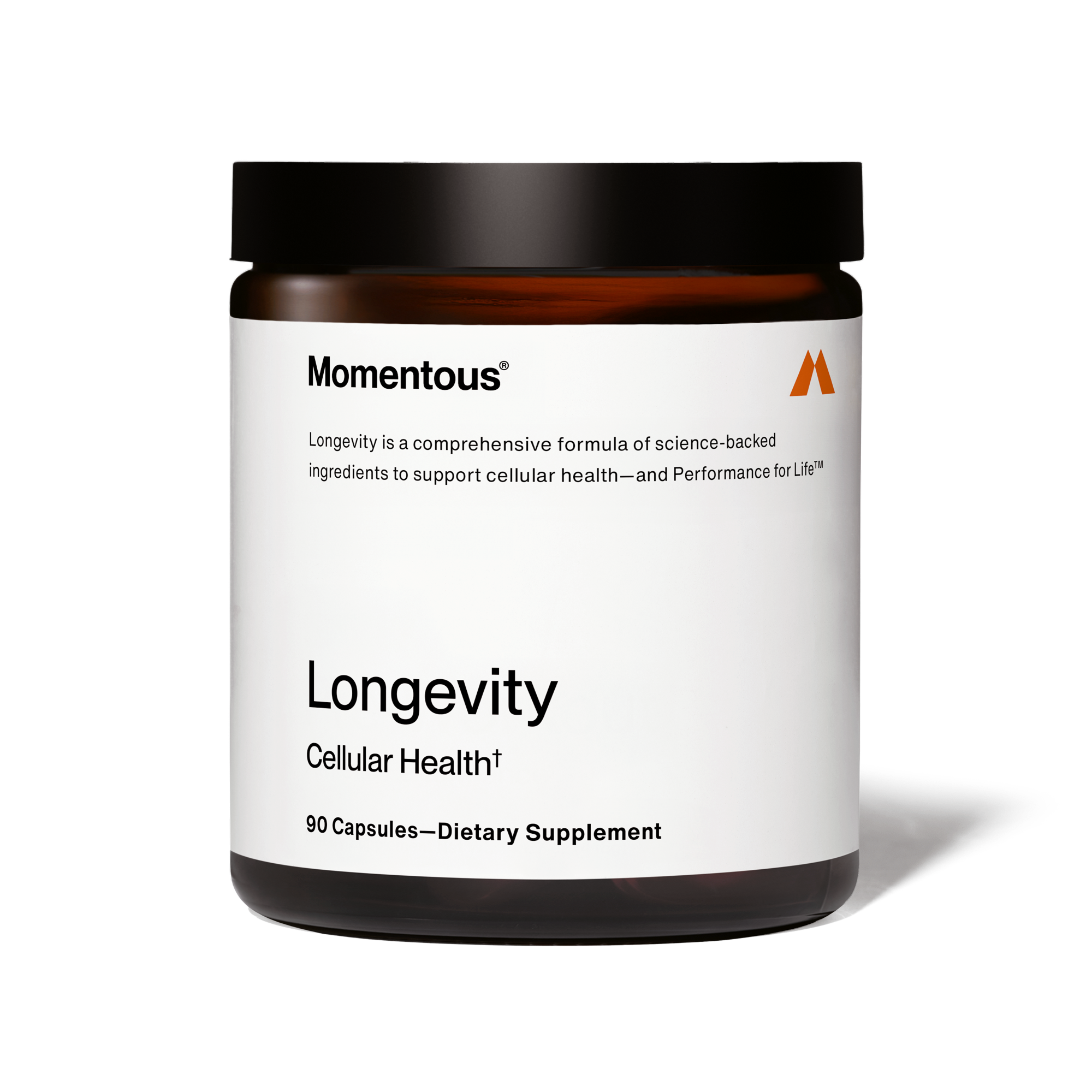
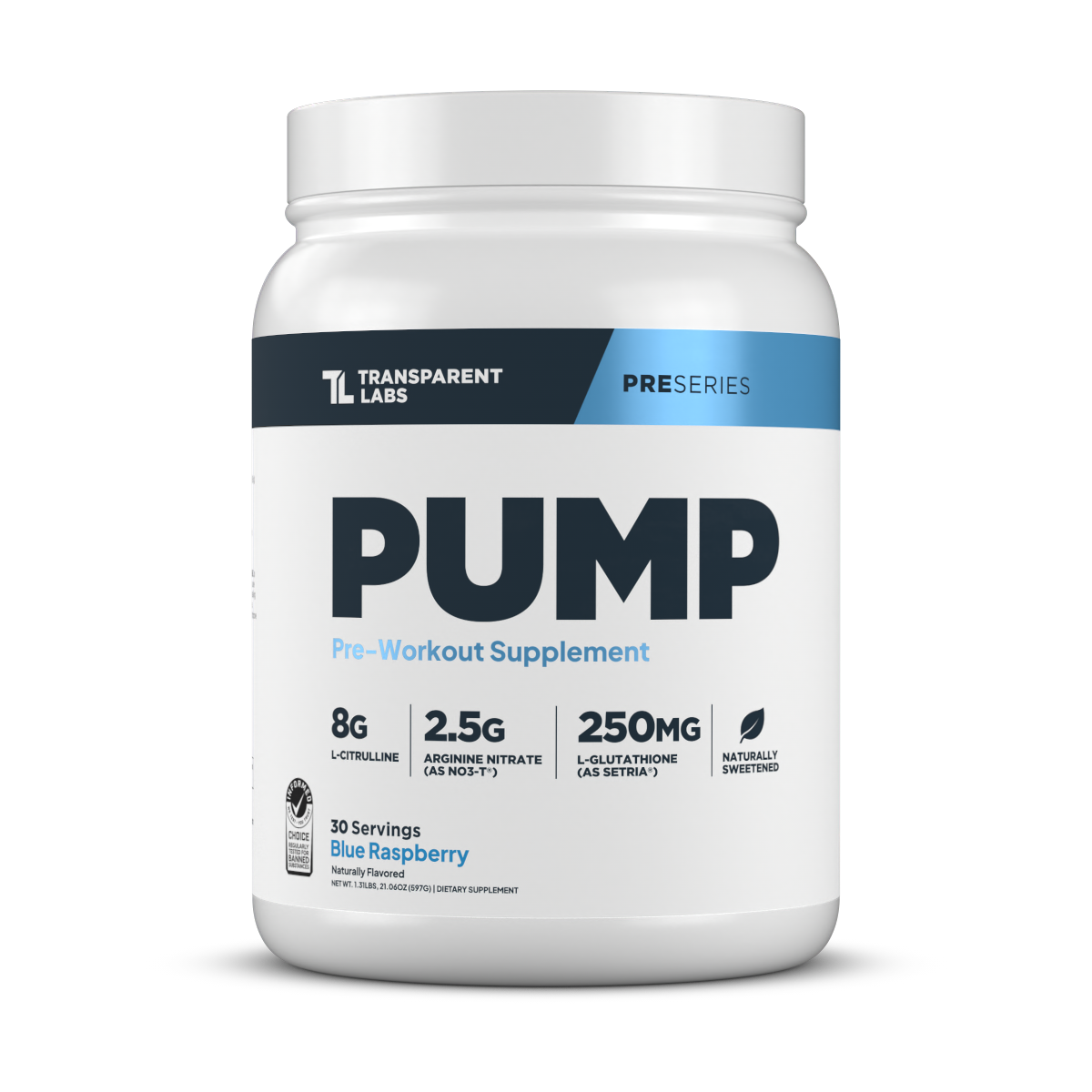
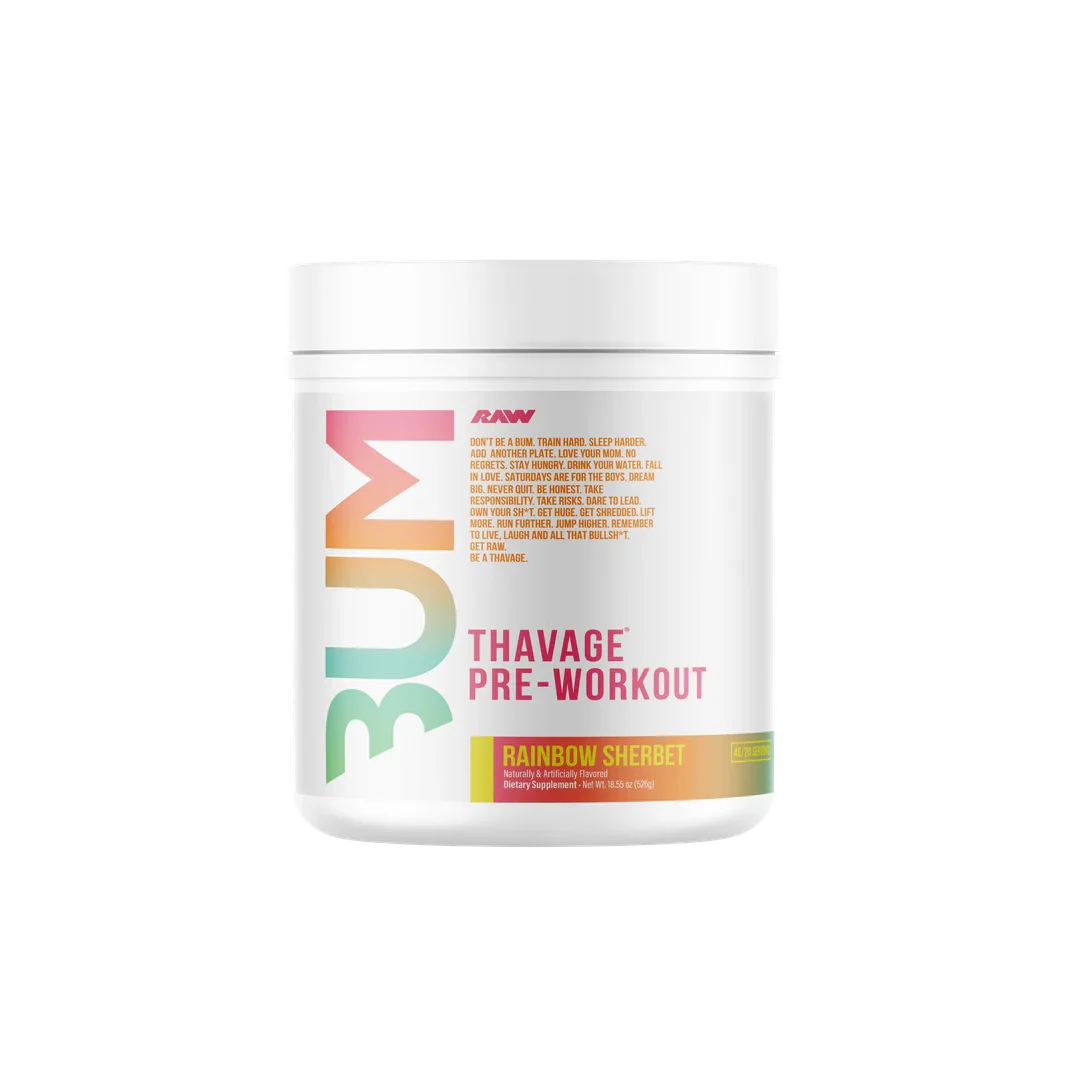
We found 5 products that combine both supplements:
Medical Disclaimer: This content is for informational purposes only and does not constitute medical advice. Always consult a qualified healthcare provider before starting any supplement regimen.