
mineral
Magnesium
TL;DR
Essential mineral involved in over 300 enzymatic reactions including energy production, protein synthesis, muscle/nerve function, and blood pressure regulation..
Overview
Essential mineral involved in over 300 enzymatic reactions including energy production, protein synthesis, muscle/nerve function, and blood pressure regulation.
82 / 565
products in our database contain Magnesium
Source · MoodStack database
Compound forms
Magnesium comes in several molecular forms. Each absorbs and acts differently.
DiMagnesium Malate
Magnesium bis(2-hydroxybutanedioate)
Bioavailability
75%
Typical dose
—
Magnesium Bisglycinate
Magnesium diglycinate
Bioavailability
85%
Typical dose
100–400 mg
Magnesium chloride
MgCl₂
Bioavailability
30%
Typical dose
200–400 mg
Magnesium citrate
C₆H₆MgO₇
Bioavailability
30%
Typical dose
200–400 mg
Magnesium Hydroxide
Magnesium dihydroxide
Bioavailability
15%
Typical dose
250–600 mg
Magnesium malate
C₄H₄MgO₅
Bioavailability
35%
Typical dose
200–600 mg
Magnesium oxide
MgO
Bioavailability
20%
Typical dose
200–800 mg
Magnesium sulfate
MgSO₄
Bioavailability
25%
Typical dose
400–800 mg
Magnesium Taurate
Magnesium ditaurate
Bioavailability
80%
Typical dose
—
Benefits
- Supports muscle and nerve function
- Essential for energy production
- May improve sleep quality
- Supports bone health
- May reduce anxiety and stress
- Important for blood pressure regulation
Dose guide
Common dose
310-420 mg daily
Typical range
200–400 mg
Based on 82 products in our database.
Products with Magnesium
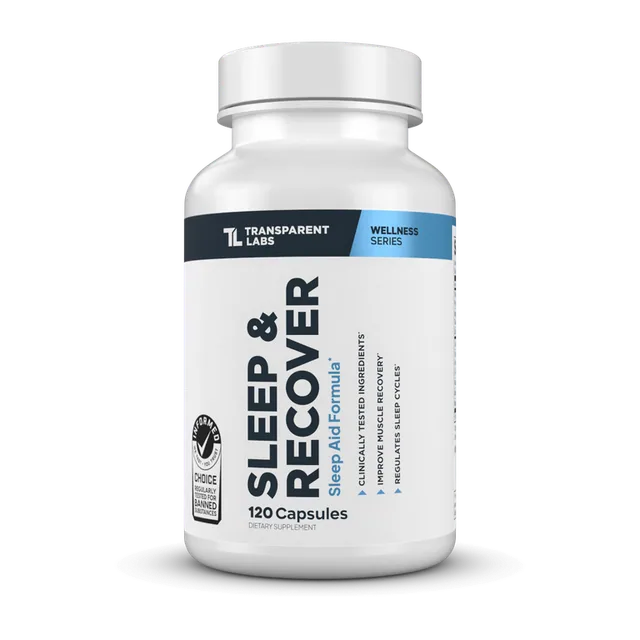
Transparent Labs Sleep Aid (Sleep & Recover)

High Absorption Magnesium Glycinate 200 mg Capsules

Magnesium Bisglycinate
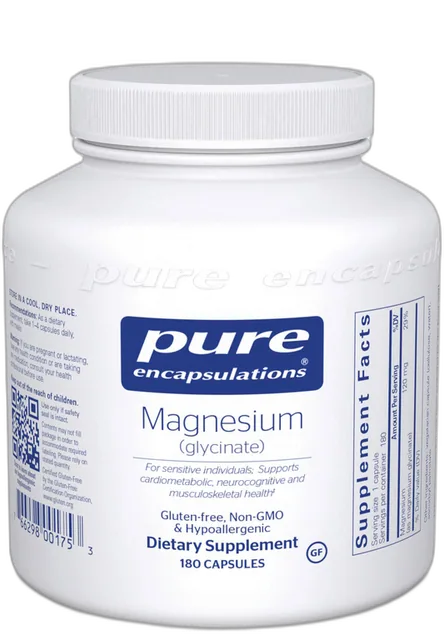
Magnesium (Glycinate)
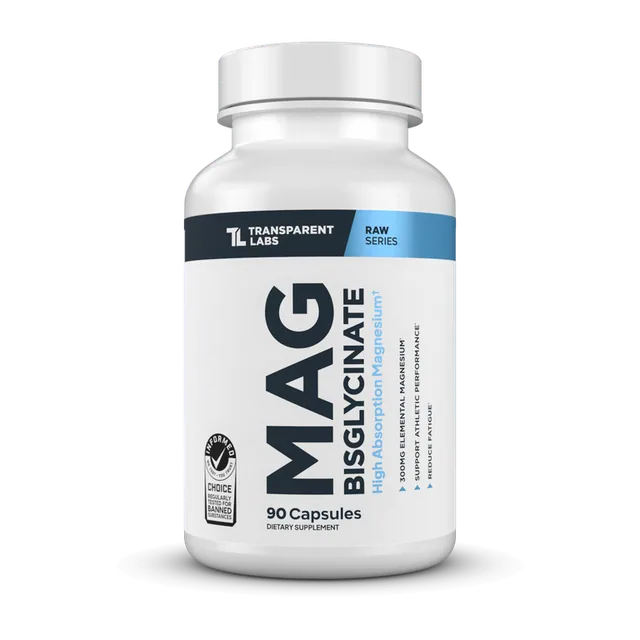
Transparent Labs Magnesium Bisglycinate
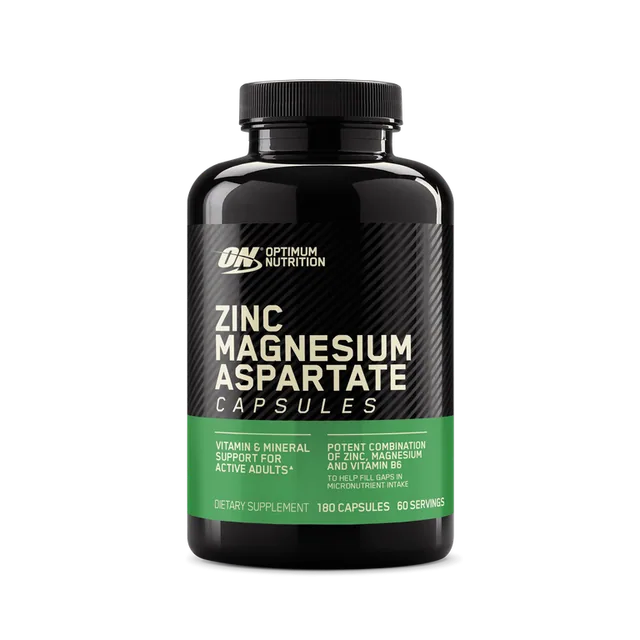
Optimum Nutrition ZMA
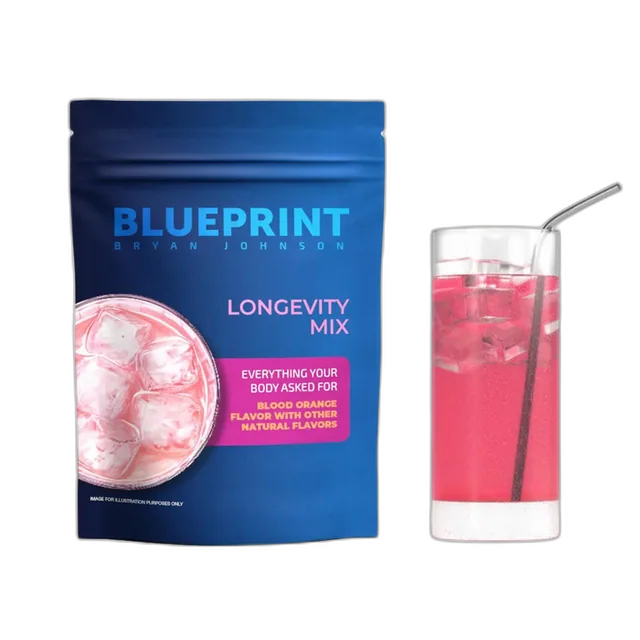
Longevity Mix
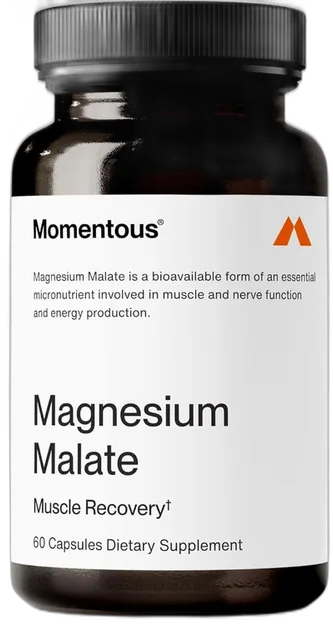
Magnesium Malate
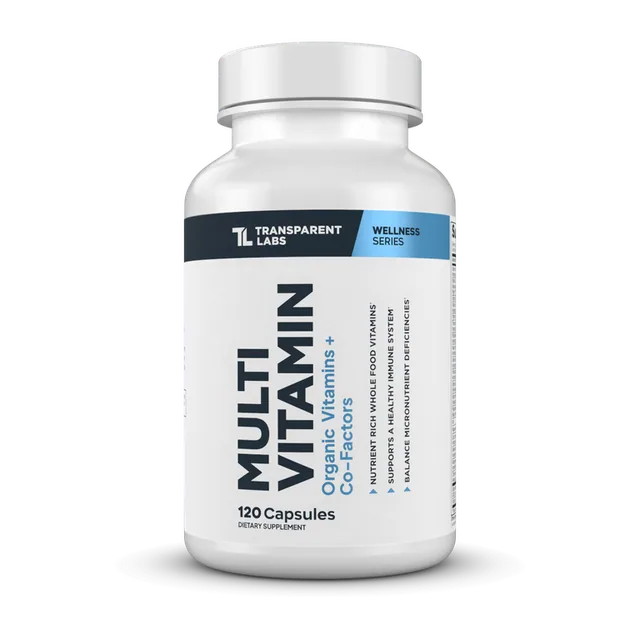
Transparent Labs Multivitamin
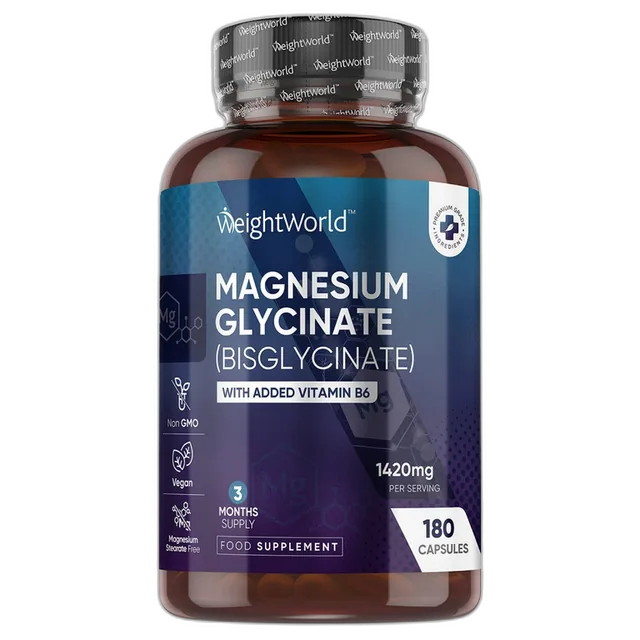
Magnesium Bisglycinate
Interactions
competes. Compete for absorption via shared TRPM6/7 channels; high calcium suppresses magnesium absorption
competes. High-dose zinc (>142mg) can reduce magnesium absorption
synergistic. Magnesium required for vitamin D activation (25-OH to 1,25-OH conversion); D increases magnesium absorption
synergistic. B6 increases intracellular magnesium accumulation; magnesium is cofactor for B6-dependent enzymes
competes. Divalent cations compete for DMT1 transporter; magnesium can reduce iron absorption
synergistic. Magnesium regulates potassium channels; magnesium deficiency causes potassium wasting
Frequently asked
What’s the difference between magnesium glycinate and citrate?
How long does it take to fix magnesium deficiency?
Can I take magnesium with my medications?
What’s the best time of day to take magnesium?
How do I know if I’m low in magnesium?
What are the side effects of magnesium?
Can I take too much magnesium?
Should I take magnesium with food?
Which magnesium form is best for muscle cramps?
Can children take magnesium?
Is magnesium safe during pregnancy?
Which foods contain the most magnesium?
What happens if I stop taking magnesium?
Is magnesium oxide a good daily supplement?
Can you use magnesium for sleep?
Related comparisons
Related categories
Top products
Medical disclaimer: This content is for informational purposes only and does not constitute medical advice. Always consult a qualified healthcare provider before starting any supplement regimen.