
Best Mineral Supplements
We track 21 mineral ingredients across 10+ products in our database. Here are the most popular and effective options.
All Mineral Supplements
Essential trace mineral critical for immune function, wound healing, protein synthesis, and DNA synthesis.
Essential mineral involved in over 300 enzymatic reactions including energy production, protein synthesis, muscle/nerve function, and blood pressure regulation.
Most abundant mineral in the body, with 99% stored in bones and teeth. Essential for bone structure, muscle contraction, nerve transmission.
Essential trace mineral critical for antioxidant defense (selenoproteins), thyroid hormone metabolism, and immune function.
Essential trace mineral critical for thyroid hormone synthesis.
Essential mineral critical for oxygen transport (hemoglobin), energy production, and cellular function. Most common nutritional deficiency worldwide.
Potassium regulates blood pressure by balancing sodium levels, supports heart rhythm, and aids muscle function, preventing cramps. It promotes nerve signaling and fluid balance, reducing stroke risk. Bananas, spinach, and potatoes are rich sources.
Molybdenum is an essential trace mineral that functions as a cofactor for four critical enzymes: sulfite oxidase, xanthine oxidase, aldehyde oxidase, and mitochondrial amidoxime reducing component. It is particularly important for sulfite detoxification and purine metabolism.
Boron is an essential trace mineral involved in bone metabolism, hormone regulation, and cognitive function. It influences the metabolism of calcium, magnesium, and vitamin D, and modulates steroid hormone levels including testosterone and estrogen. Often overlooked but critical for skeletal and hormonal health.
Essential minerals (sodium, potassium, chloride, etc.) that carry electrical charges in body fluids. Critical for hydration, nerve signaling, muscle contraction, and pH balance.
Phosphorus is the second most abundant mineral in the body (after calcium), with 85% stored in bones and teeth as hydroxyapatite. It is essential for ATP energy production, DNA/RNA structure, cell membrane phospholipids, and acid-base buffering. Deficiency is rare but excess (especially from processed foods) can impair calcium metabolism.
Sulfur is the third most abundant mineral in the body, found in methionine, cysteine, taurine, and glutathione. MSM (methylsulfonylmethane) is the most common supplemental form, providing bioavailable sulfur for joint health, detoxification, and connective tissue. Essential for disulfide bonds in proteins.
Chloride is an essential electrolyte and the most abundant anion in extracellular fluid. It plays critical roles in fluid balance, acid-base homeostasis, and is a key component of hydrochloric acid (HCl) in gastric juice. Adequate chloride is essential for proper digestion and nerve transmission.
Shilajit is a mineral-rich resinous substance found in Himalayan rock formations. It contains fulvic acid, dibenzo-alpha-pyrones, and 85+ minerals. Ayurvedic rasayana (rejuvenator) with clinical evidence for testosterone, mitochondrial function, and CoQ10 enhancement.
Strontium is a trace mineral chemically similar to calcium that is incorporated into bone. Strontium ranelate (prescription) and strontium citrate (supplement) have dual action: stimulating bone formation AND reducing bone resorption. One of the few agents with evidence for both sides of bone metabolism.
Vanadium is a trace mineral that mimics insulin action and enhances insulin receptor signaling. The sulfate form (vanadyl sulfate) is most commonly supplemented. While not officially classified as essential, it may play important roles in bone metabolism, thyroid function, and blood sugar regulation.
Low-dose lithium (as lithium orotate or aspartate) is an essential trace mineral with emerging evidence for neuroprotection and mood support. Distinct from pharmaceutical lithium carbonate (prescribed at 600-1800mg for bipolar), nutritional lithium at 5-20mg provides neuroprotective benefits without the side effects.
Nickel is an ultra-trace mineral found in small amounts in many foods. While not officially classified as essential in humans, it may play roles in iron absorption, enzyme function, and hormone metabolism. Excess nickel is a common contact allergen and can be toxic.
Cobalt is an essential trace mineral that forms the core of vitamin B12 (cobalamin). It is required exclusively as part of the B12 molecule for methylation reactions and red blood cell formation. Excess inorganic cobalt can be toxic, but dietary cobalt through B12-containing foods is safe and necessary.
Silicon is a trace mineral essential for connective tissue formation, bone mineralization, and collagen cross-linking. Orthosilicic acid is the bioavailable form. The Framingham Offspring Study found silicon intake was positively associated with bone mineral density, stronger than calcium in some analyses.
Top Mineral Products
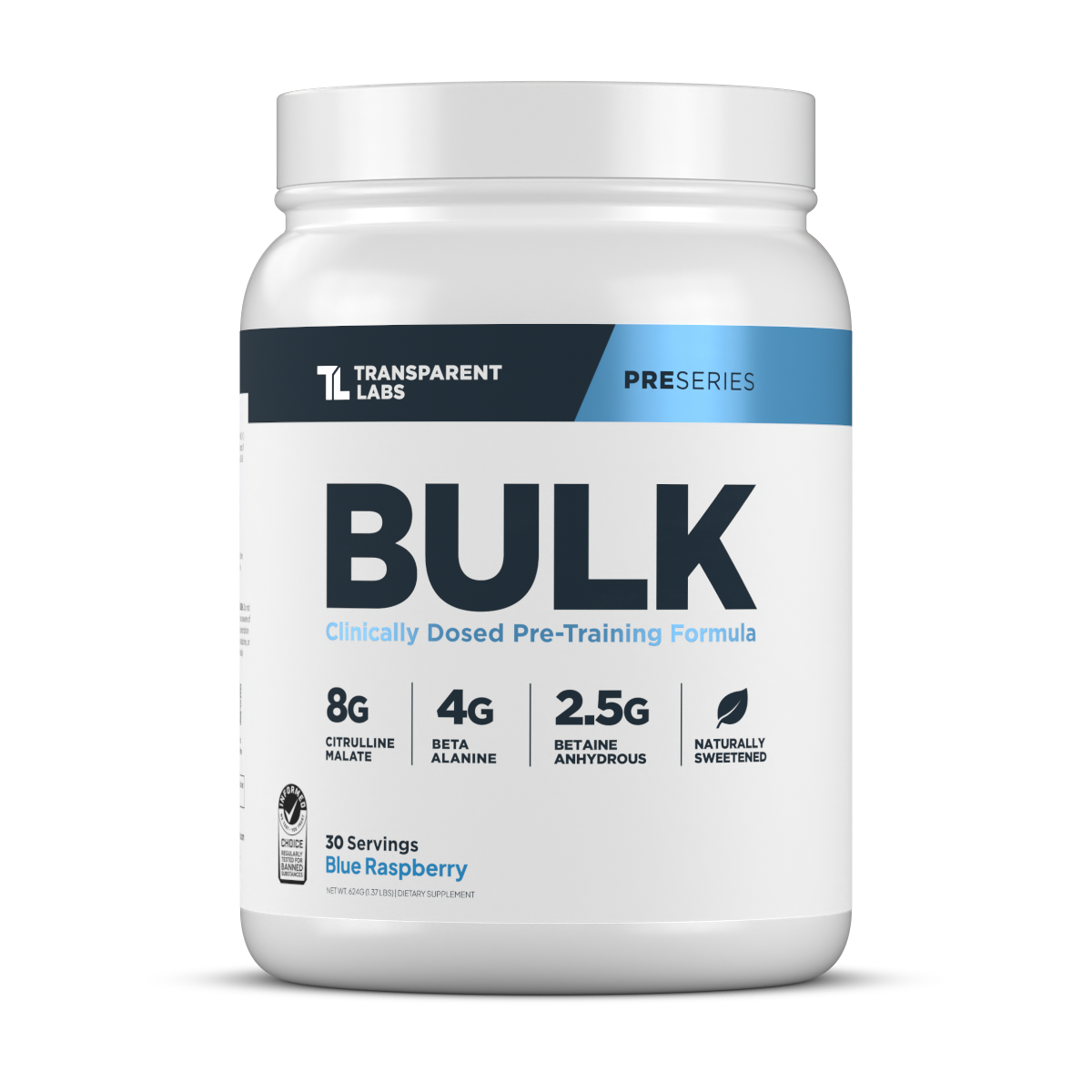
Transparent Labs BULK Pre-Workout
Transparent Labs
Score: 93/100
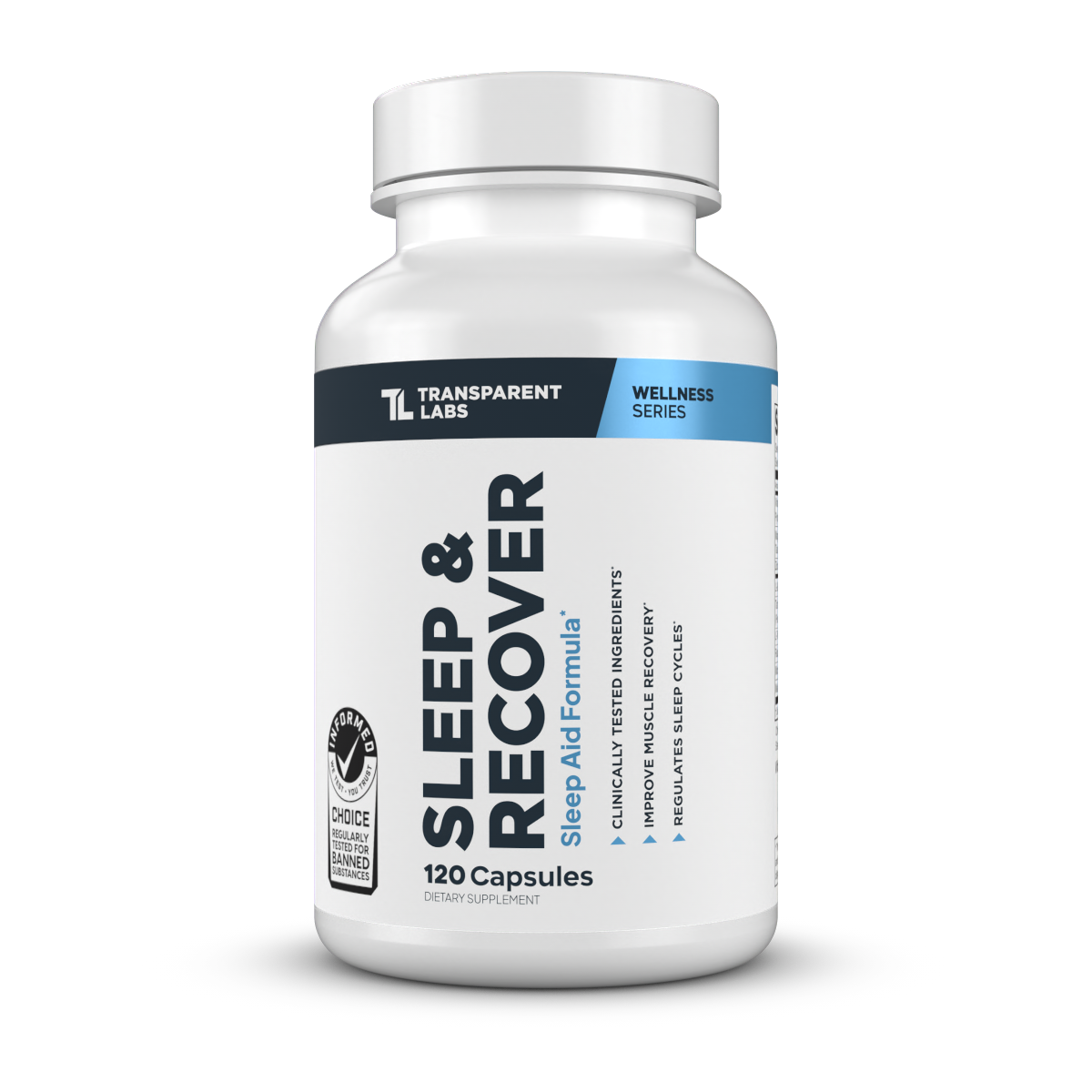
Transparent Labs Sleep Aid (Sleep & Recover)
Transparent Labs
Score: 93/100
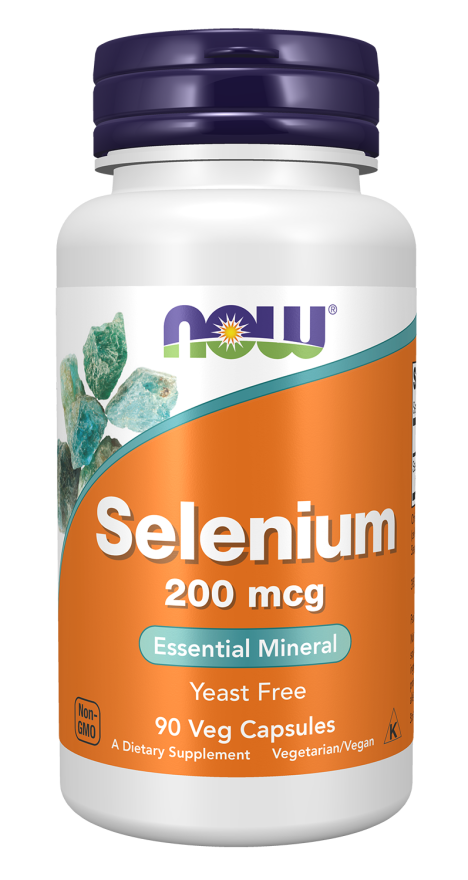
Selenium 200 mcg
NOW Foods
Score: 93/100
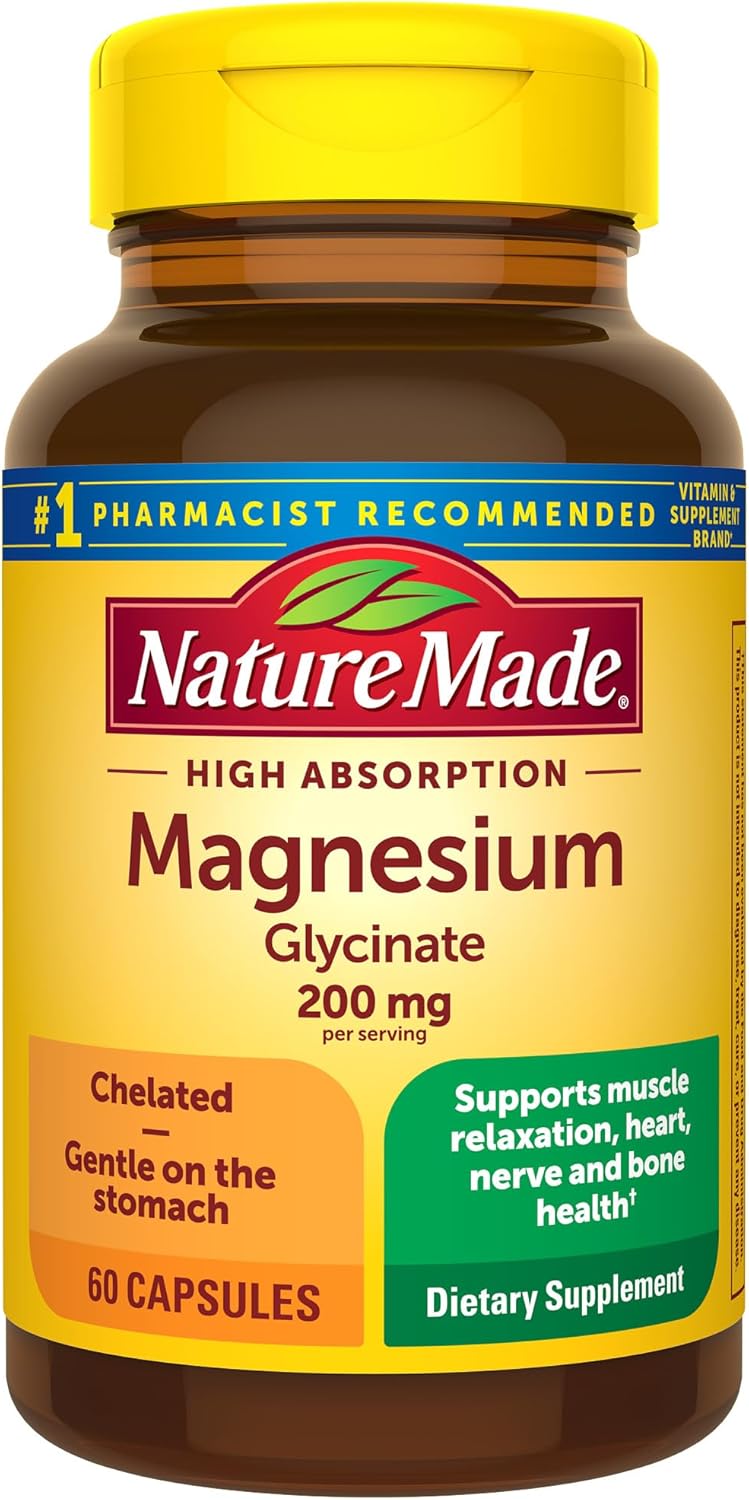
High Absorption Magnesium Glycinate 200 mg Capsules
Nature Made
Score: 92/100
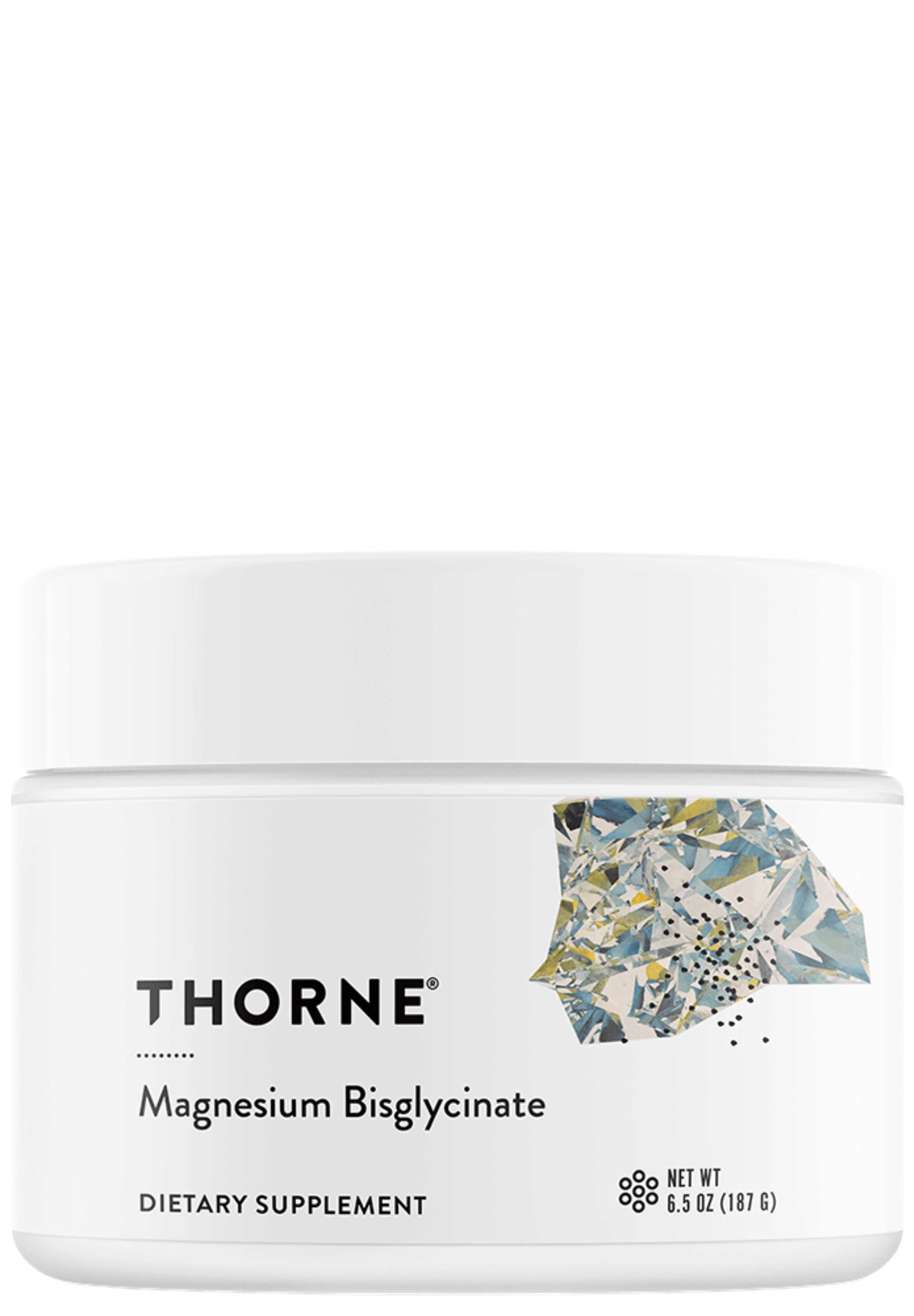
Magnesium Bisglycinate
Thorne
Score: 92/100
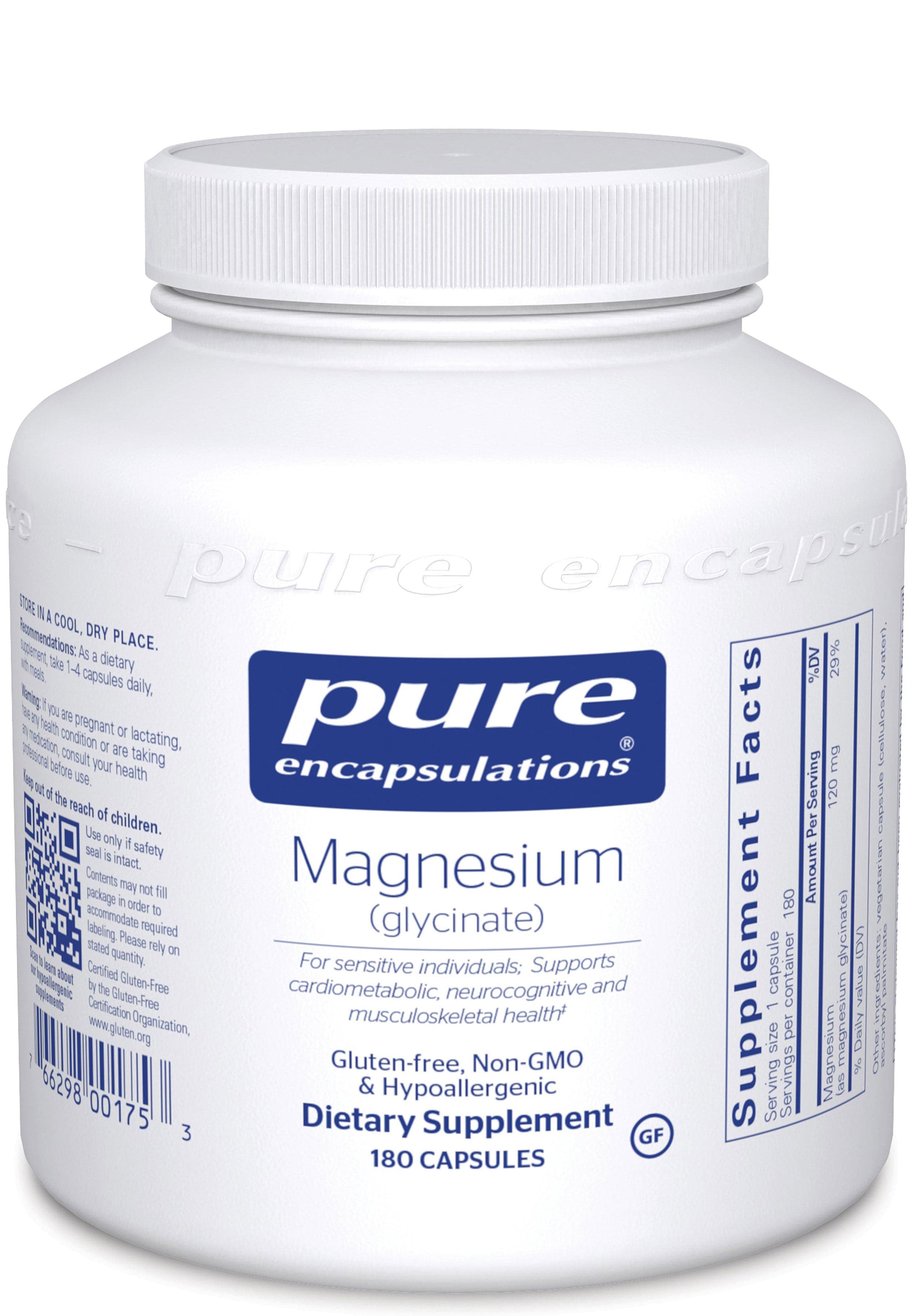
Magnesium (Glycinate)
Pure Encapsulations
Score: 92/100
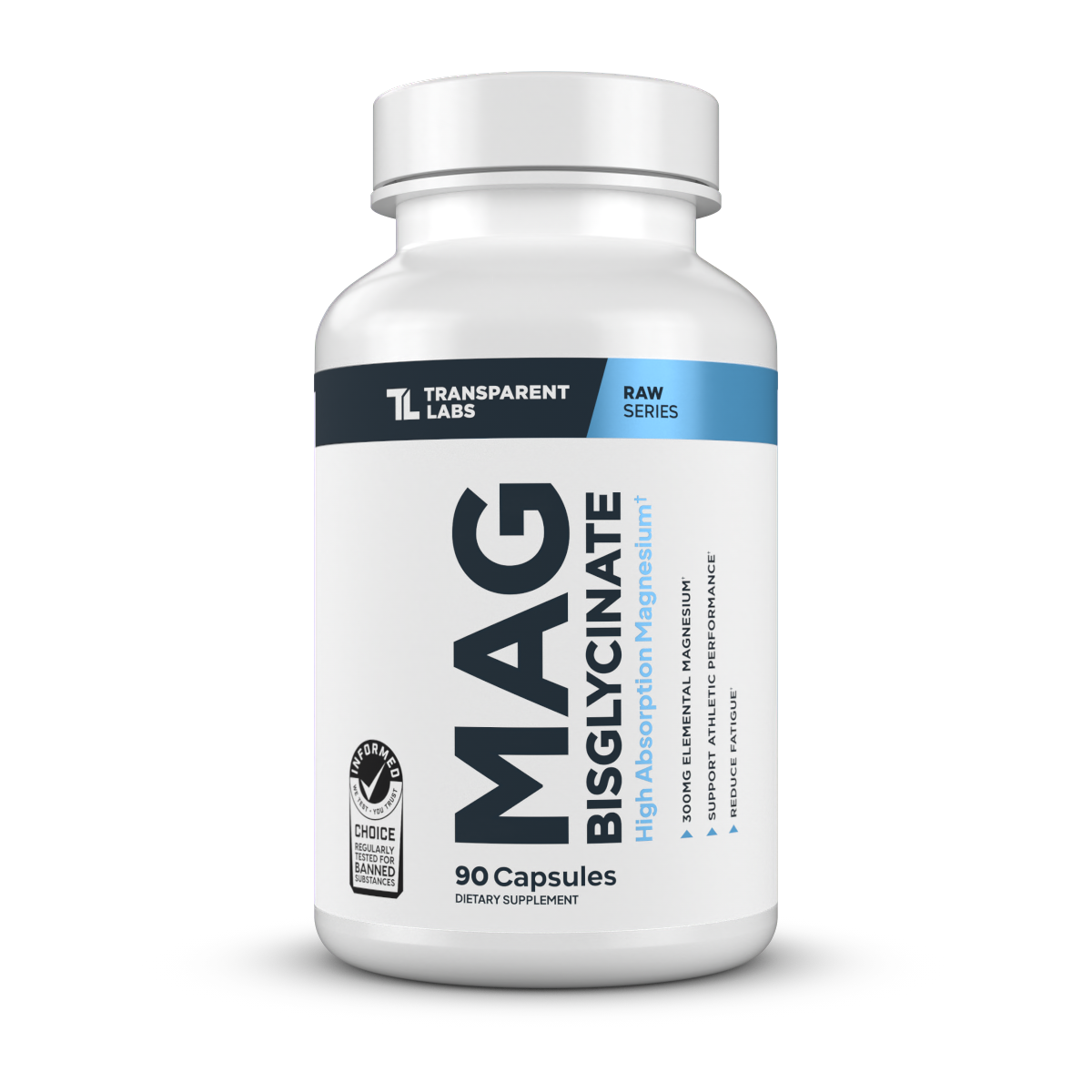
Transparent Labs Magnesium Bisglycinate
Transparent Labs
Score: 91/100
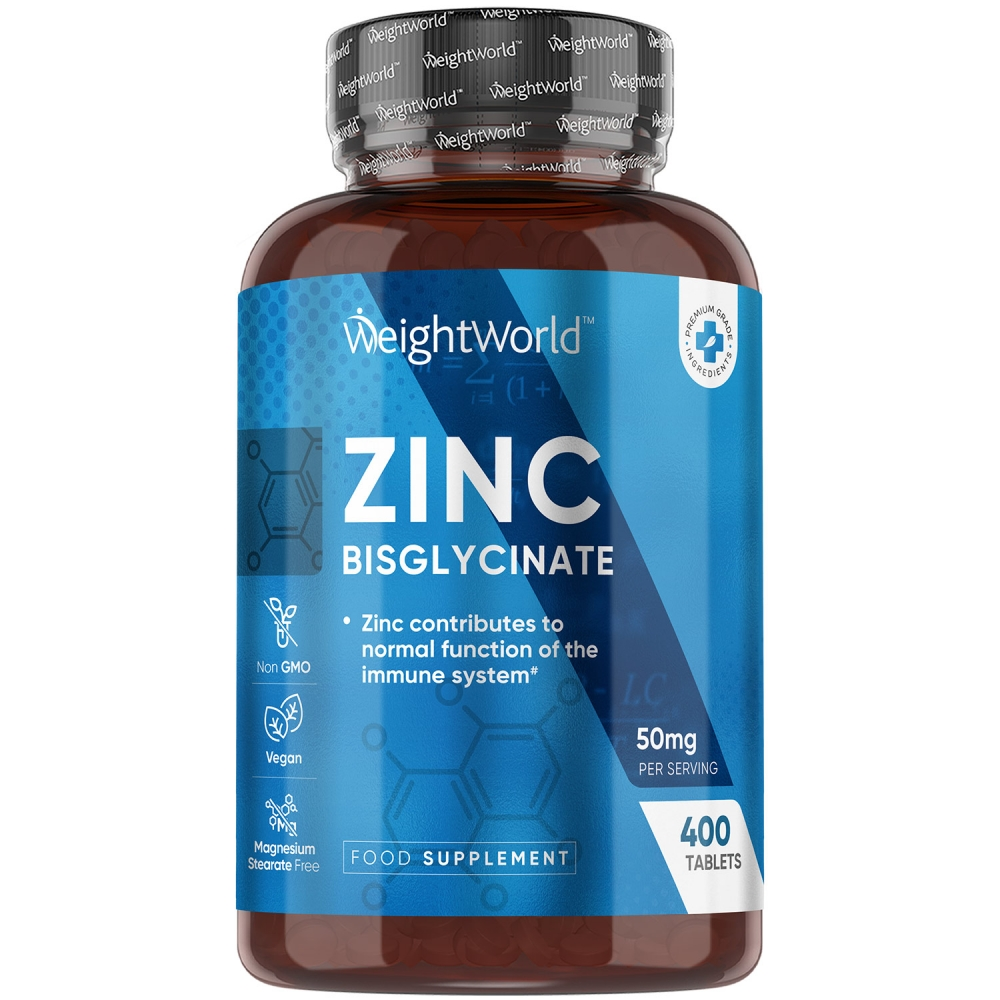
Zync Bisglycinate
WeightWorld
Score: 91/100
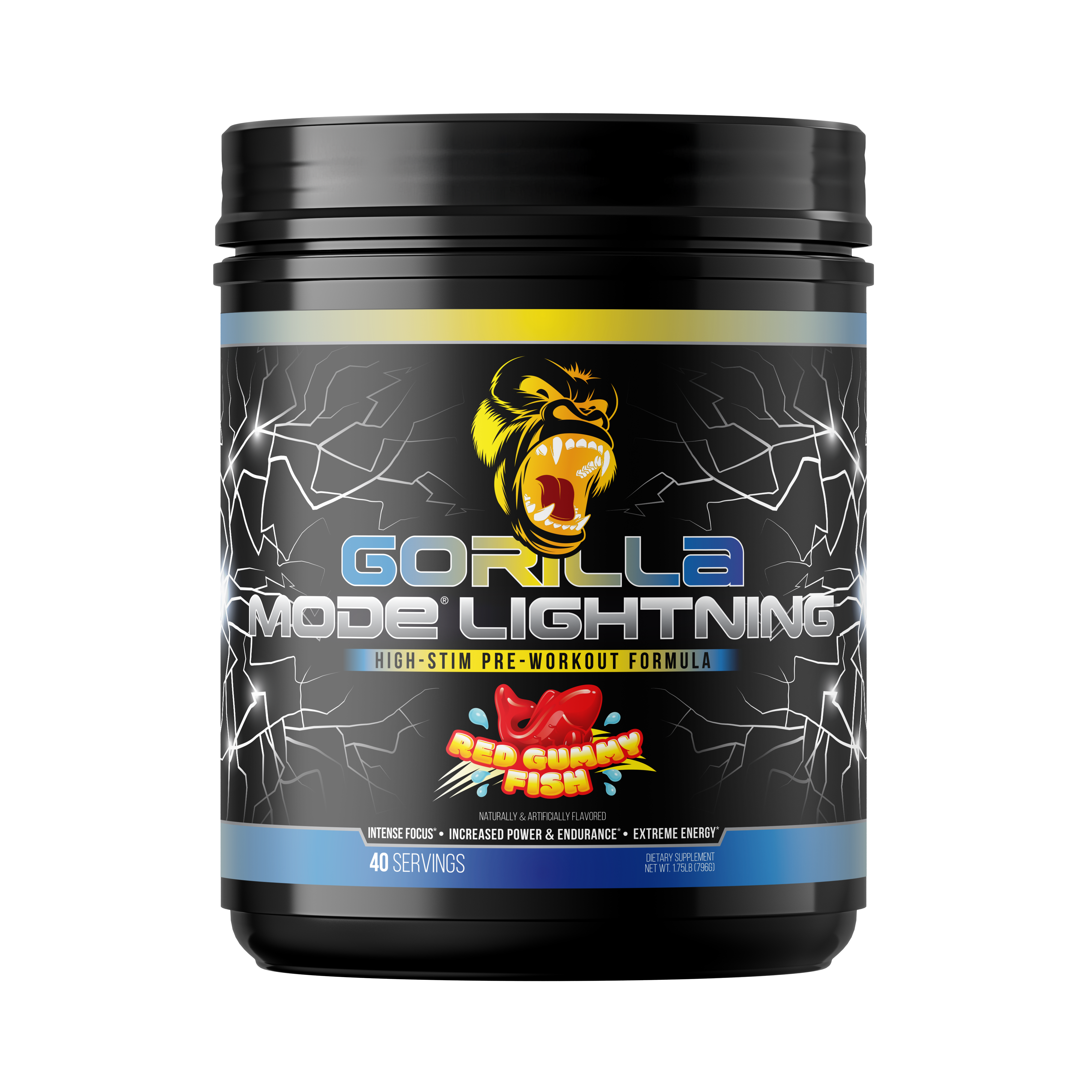
Gorilla Mode Lightning
Gorilla Mind
Score: 91/100
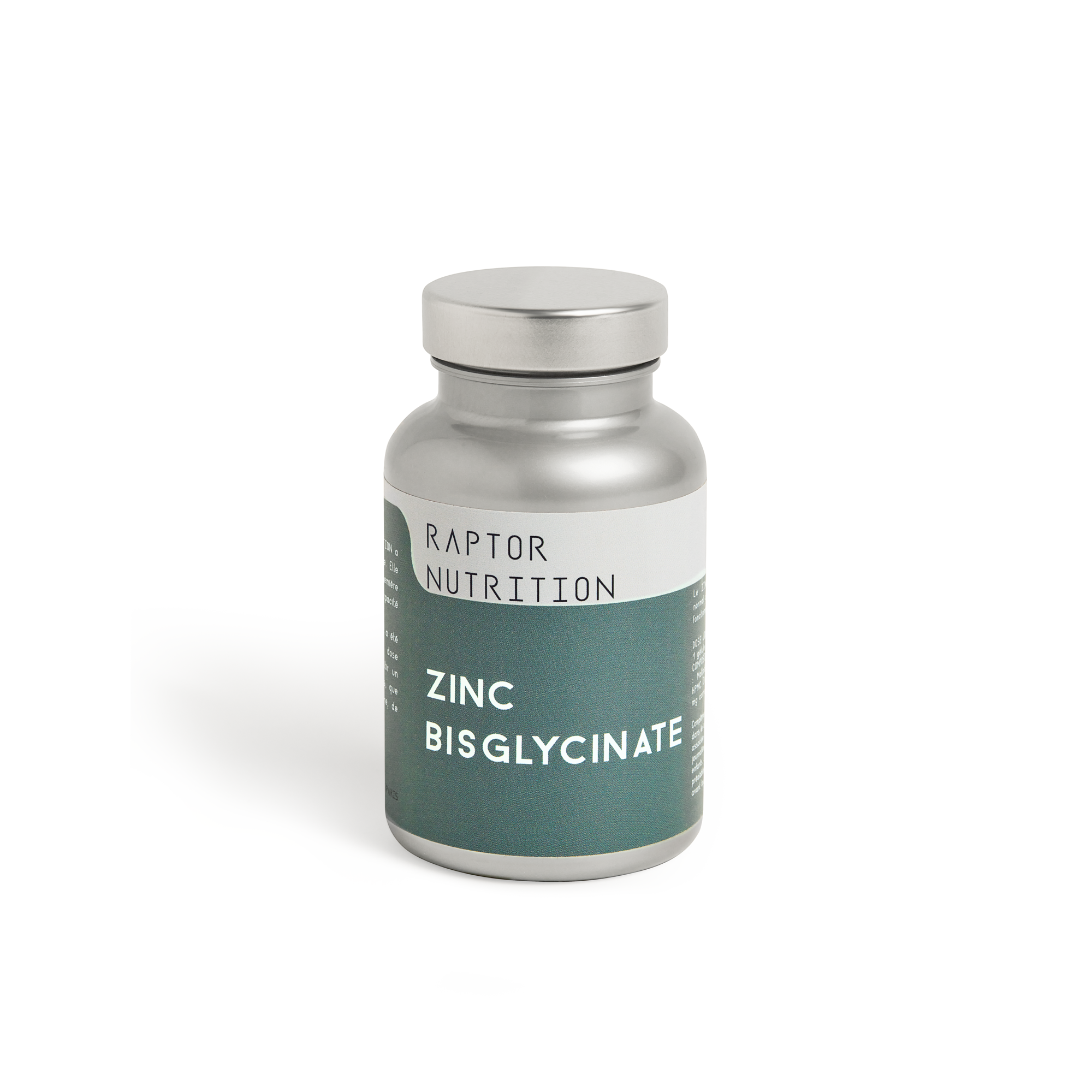
Zinc Bisglycinate
Raptor Nutrition
Score: 90/100
Browse by Category
Medical Disclaimer: This content is for informational purposes only and does not constitute medical advice. Always consult a qualified healthcare provider before starting any supplement regimen.