
Best Amino Acid Supplements
We track 36 amino acid ingredients across 6+ products in our database. Here are the most popular and effective options.
All Amino Acid Supplements
L-Tyrosine supports neurotransmitter production, like dopamine and norepinephrine, enhancing mood, focus, and stress resilience. It aids thyroid hormone synthesis, supporting metabolism, and may improve cognitive performance under stress. Found in protein-rich foods like chicken and eggs.
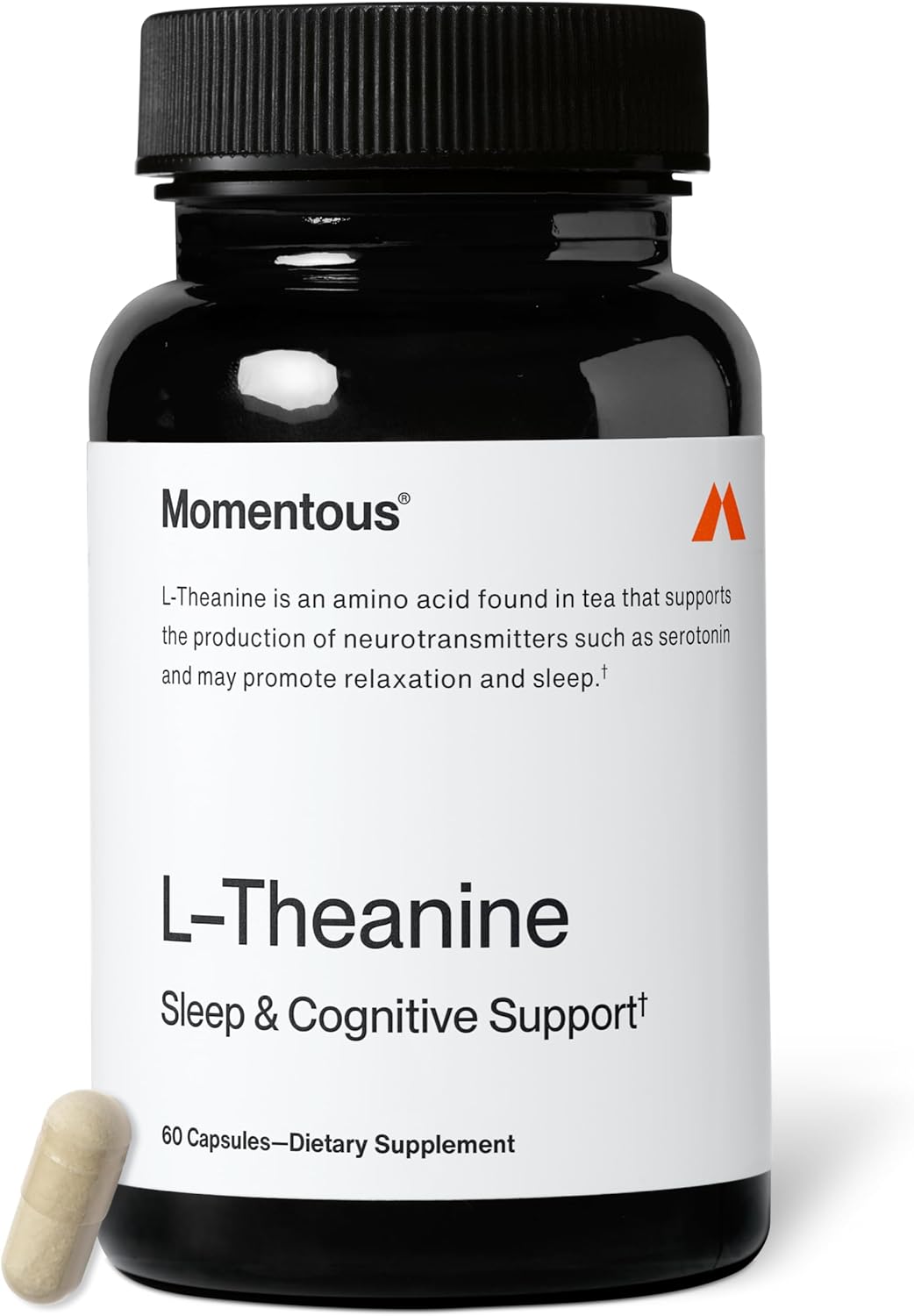
L-Theanine promotes relaxation without drowsiness, reduces stress, and improves focus when paired with caffeine. It supports sleep quality and enhances alpha brain wave activity. Found in green tea and supplements.
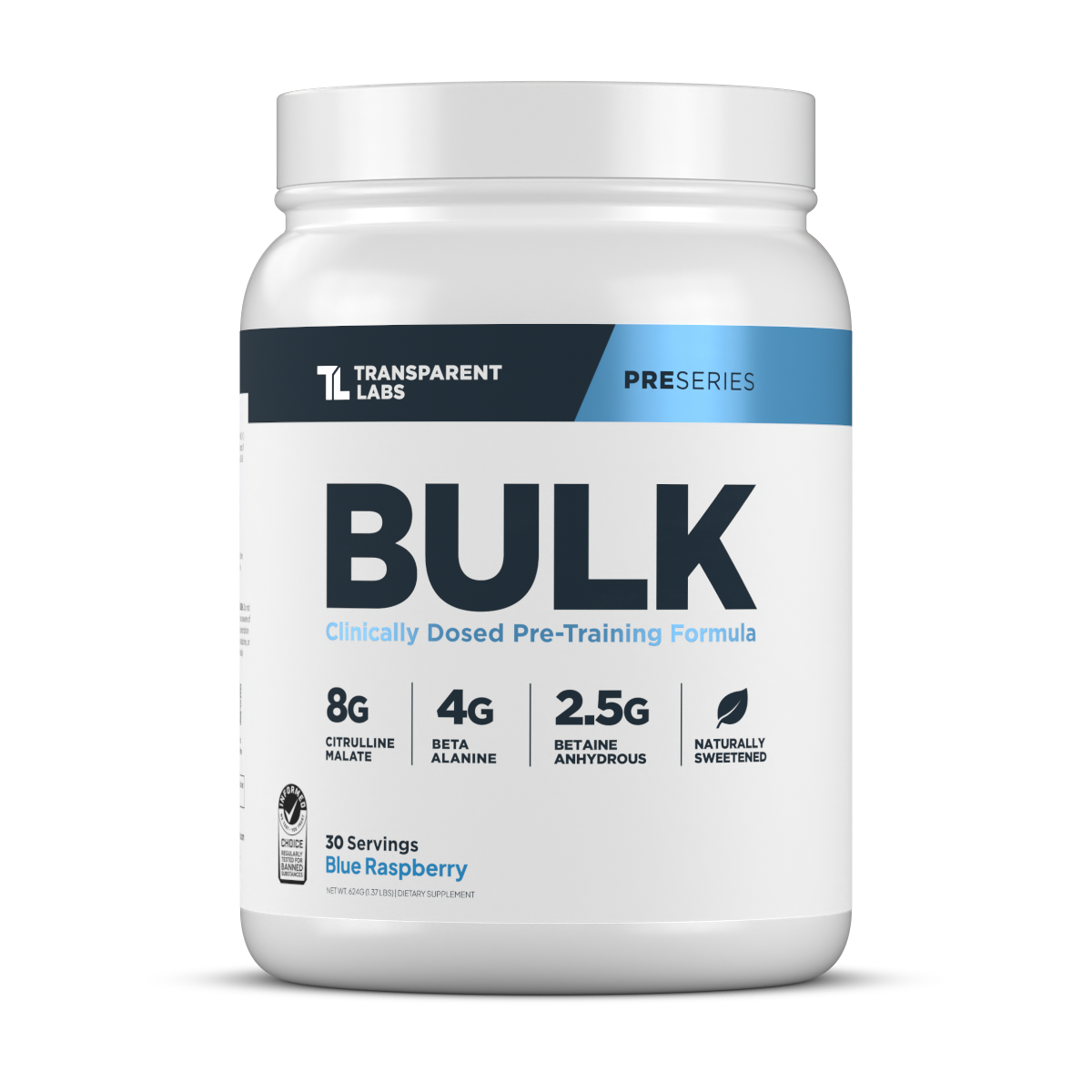
L-Citrulline is a non-essential amino acid named after watermelon (Citrullus lanatus). It is converted to L-arginine in the kidneys, making it a more efficient NO booster than arginine itself (arginine undergoes significant first-pass metabolism). One of the most validated pre-workout ingredients for blood flow and endurance.
L-Taurine supports heart health by regulating blood pressure and reducing arrhythmias, enhances muscle function, and aids fat digestion. As an antioxidant, it protects cells and may improve insulin sensitivity. Found in meat, fish, and energy drinks.
Beta-alanine is a non-essential amino acid and the rate-limiting precursor to carnosine synthesis in skeletal muscle. Carnosine acts as an intracellular pH buffer during high-intensity exercise. It is one of the most well-researched sports nutrition supplements with strong evidence for exercise performance improvement.
Betaine (trimethylglycine/TMG) is a methyl donor derived from choline oxidation. It plays a critical role in homocysteine metabolism by donating a methyl group to convert homocysteine back to methionine. It also functions as an osmolyte, protecting cells from dehydration stress.
L-Glutamine is the most abundant amino acid in the body and conditionally essential during stress, illness, or intense exercise. It is the primary fuel for enterocytes (gut lining cells) and lymphocytes. Depletion during catabolic states impairs immune function and gut barrier integrity. Critical for recovery.
L-Carnitine is a conditionally essential amino acid derivative synthesized from lysine and methionine. It is critical for transporting long-chain fatty acids into mitochondria for beta-oxidation (energy production). It also removes toxic acyl-CoA metabolites and has neuroprotective properties. ALCAR (acetyl-L-carnitine) crosses the blood-brain barrier.
L-Leucine is the most anabolic of the three BCAAs and the primary activator of the mTOR (mammalian target of rapamycin) pathway for muscle protein synthesis. The "leucine threshold" concept (2.5-3g per meal) is central to modern sports nutrition for optimizing muscle growth and preventing sarcopenia.
L-Isoleucine is an essential branched-chain amino acid (BCAA) critical for muscle protein synthesis, hemoglobin production, and blood sugar regulation. It is uniquely capable of stimulating glucose uptake in muscle via PI3K/PKC pathway independently of insulin, making it valuable for metabolic health.
L-Valine is an essential branched-chain amino acid (BCAA) that works alongside leucine and isoleucine in muscle metabolism. While less anabolic than leucine individually, valine is critical for maintaining nitrogen balance, preventing muscle breakdown during exercise, and serving as glucogenic fuel.
Branched-chain amino acids (leucine, isoleucine, valine) promote muscle protein synthesis, reduce muscle soreness, and enhance exercise performance. They support recovery by minimizing muscle breakdown during intense workouts. Found in protein-rich foods and supplements.
L-Tryptophan is an essential amino acid and the sole precursor to serotonin (via 5-HTP) and melatonin. It has the lowest plasma concentration of all amino acids, making it rate-limiting for serotonin synthesis. Competes with other large neutral amino acids (BCAAs) for BBB transport; carbohydrate intake enhances brain uptake.
L-Arginine is a semi-essential amino acid and the primary precursor to nitric oxide (NO) via nitric oxide synthase. It plays critical roles in vasodilation, immune function, growth hormone secretion, and wound healing. Widely used for cardiovascular support and exercise performance.
L-Glycine supports sleep quality, reduces stress, and aids collagen synthesis for healthy skin and joints. It acts as a neurotransmitter, promoting cognitive function. Found in meat, dairy, and supplements.
L-Phenylalanine supports mood by aiding dopamine and norepinephrine production, enhancing focus and reducing depression. It may help manage chronic pain. Found in protein-rich foods like eggs, soy, and supplements.
L-Cysteine is a semi-essential amino acid and the rate-limiting substrate for glutathione synthesis, the body's master antioxidant. Its thiol (-SH) group makes it a powerful reducing agent. N-Acetyl Cysteine (NAC) is its more bioavailable supplemental form. Critical for detoxification, immune function, and respiratory health.
Agmatine is a biogenic amine derived from L-arginine through decarboxylation. It acts as a neuromodulator and nitric oxide modulator in the body. Research suggests neuroprotective properties, pain modulation via imidazoline receptors, and potential benefits for mood regulation and insulin secretion.
Tripeptide antioxidant (glutamine, cysteine, glycine). Master antioxidant of the body, supporting detoxification, immune function, and skin health.
L-Methionine is an essential sulfur-containing amino acid and the initiator of all protein synthesis (start codon). It is the precursor to SAM-e (S-adenosylmethionine), the universal methyl donor, and cysteine/glutathione via the transsulfuration pathway. Critical for methylation, detoxification, and antioxidant defense.
L-Threonine is an essential amino acid critical for mucin production (gut lining), immune function, and collagen synthesis. It is the primary substrate for intestinal mucin glycoprotein, making it essential for gut barrier integrity. Also important for immune antibody production and nervous system myelin.
L-Lysine is an essential amino acid critical for collagen synthesis, calcium absorption, carnitine production, and immune function. Best known for antiviral activity against herpes simplex virus by antagonizing arginine.
L-Histidine is an essential amino acid and precursor to histamine, carnosine, and hemoglobin. It is critical for immune response, gastric acid secretion, and metal ion chelation. Combined with beta-alanine, it forms carnosine in muscle tissue. Deficiency affects growth, immune function, and red blood cell production.
Glutathione (GSH) is the body's master antioxidant, a tripeptide of cysteine, glutamic acid, and glycine. It is central to detoxification (Phase II conjugation), immune function, and cellular protection. Liposomal and reduced (GSH) forms have improved bioavailability over standard oral glutathione.
Beta-hydroxy beta-methylbutyrate (HMB) is a metabolite of the amino acid leucine. Supports muscle protein synthesis, reduces muscle breakdown, and aids exercise recovery.
Essential amino acids — the 9 amino acids the body cannot produce, required for muscle protein synthesis and recovery.
L-Lysine is an essential amino acid that cannot be synthesized by the body. It is critical for collagen synthesis, calcium absorption, carnitine production, and immune function. Best known for its antiviral activity against herpes simplex virus (HSV) by antagonizing arginine, which the virus requires for replication.
Naturally occurring amino acid derived from Griffonia simplicifolia seeds. Precursor to serotonin, supporting mood, sleep, and appetite regulation.
N-Acetyl Cysteine (NAC) is the acetylated form of L-cysteine with superior bioavailability. It is the most effective oral precursor to glutathione and has been used clinically for 50+ years. FDA-approved as acetaminophen antidote; extensively researched for respiratory, mental health, liver, and immune applications.
Alanine is a non-essential amino acid involved in glucose-alanine cycle between muscles and liver. It serves as a major substrate for gluconeogenesis and plays a key role in energy metabolism during exercise. Beta-alanine (its isomer) is distinct and used for carnosine synthesis.
Glutamic acid (glutamate) is the most abundant excitatory neurotransmitter in the brain and a key amino acid in energy metabolism. It participates in the citric acid cycle via alpha-ketoglutarate and serves as precursor to GABA (the main inhibitory neurotransmitter) and glutathione.
L-Serine is a non-essential amino acid critical for phospholipid synthesis, neurotransmitter production, and one-carbon metabolism. Phosphatidylserine (derived from serine) is a key brain phospholipid. D-serine acts as NMDA receptor co-agonist essential for memory and neuroplasticity.
L-Proline is a non-essential amino acid uniquely structured with a cyclic side chain. It constitutes about 17% of collagen, making it critical for skin, joint, tendon, and arterial wall integrity. Along with hydroxyproline and glycine, it forms the repeating Gly-Pro-Hyp motif in collagen.
Asparagine is a non-essential amino acid first isolated from asparagus juice. It plays important roles in the nervous system as a neurotransmitter precursor and in ammonia detoxification. It is also involved in glycoprotein synthesis and proper protein folding.
Aspartic acid (aspartate) is a non-essential amino acid involved in the urea cycle, citric acid cycle, and as an excitatory neurotransmitter (NMDA receptor co-agonist). D-aspartic acid, its stereoisomer, has gained attention for its role in testosterone and hormone regulation.
Top Amino Acid Products
Browse by Category
Medical Disclaimer: This content is for informational purposes only and does not constitute medical advice. Always consult a qualified healthcare provider before starting any supplement regimen.